
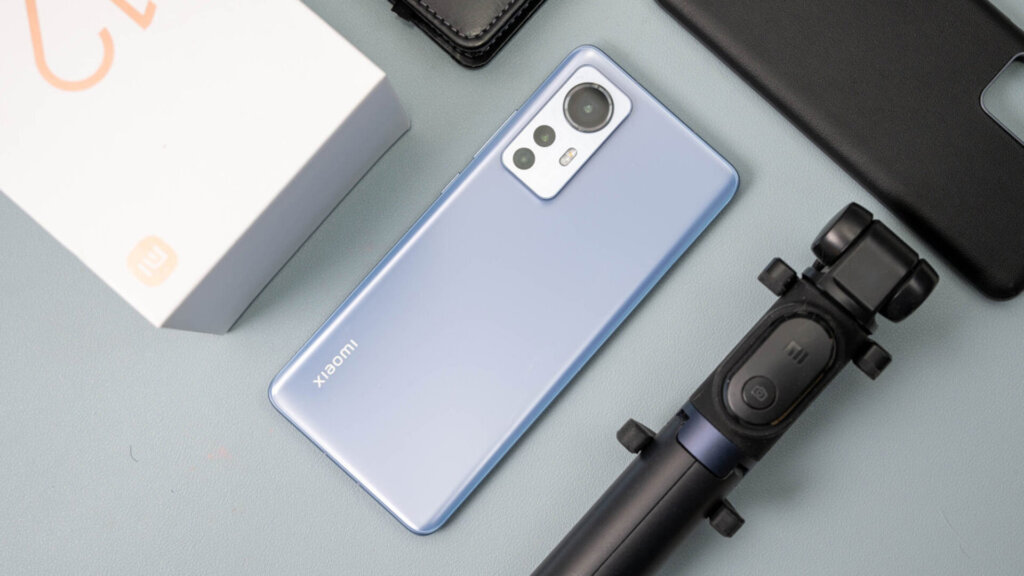
Xiaomi has updated its Product Security Center to mark a set of older devices as End of Life (EOL). The move formalizes the end of official software support for several phones and tablets that had already reached their previously announced update deadlines, meaning they will no longer receive Android version upgrades, HyperOS feature updates, or security patches going forward.
Which devices are affected
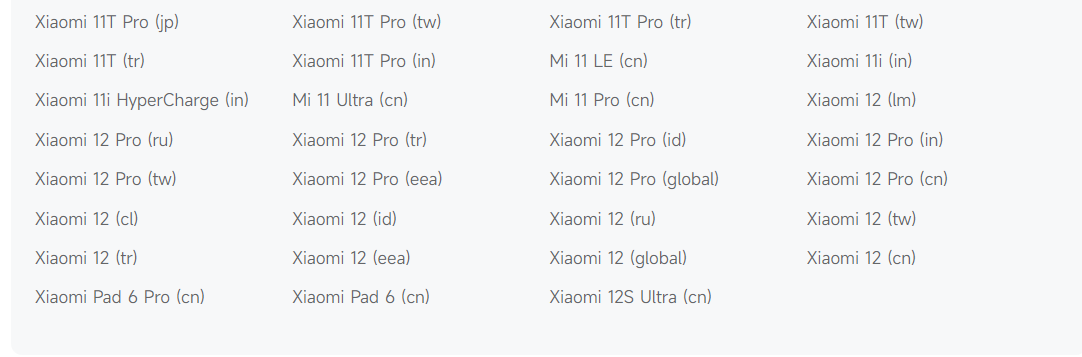
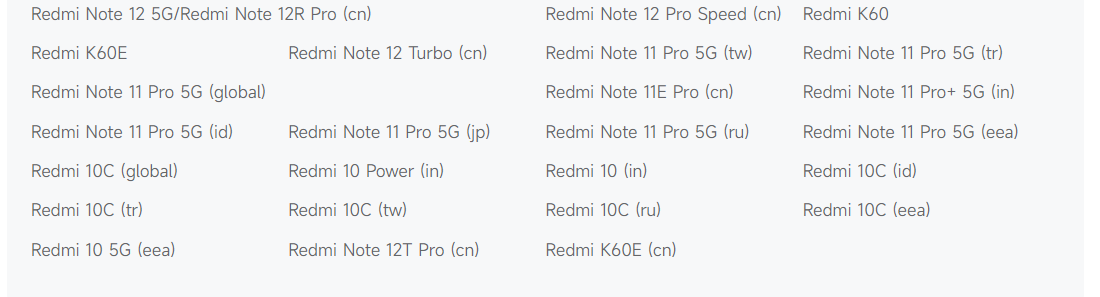
The devices listed as having reached EOL include multiple Xiaomi 12 series variants, tablets sold in China, and several POCO and Redmi models. Specifically named are the Xiaomi 12, Xiaomi 12 Pro, and the Xiaomi 12S Ultra (China); Xiaomi Pad 6 and Xiaomi Pad 6 Pro (China); POCO X4 Pro 5G (EEA), POCO X5 5G (Turkey) and POCO X5 Pro 5G (Indonesia); and Redmi Note 12T Pro (China), Redmi K60E (China) and Redmi 10 5G (EEA). Regional firmware variants of the Xiaomi 12 and Xiaomi 12 Pro across Global, EEA, Turkey, Taiwan, Indonesia, Russia and China releases have also been moved to EOL in the published list.

What End of Life actually means
Devices placed on Xiaomi’s EOL list will no longer be eligible for: Android version upgrades, Xiaomi HyperOS feature updates, monthly or quarterly security patches, official vulnerability fixes, or bug-fix maintenance releases. The hardware will continue to function, but newly discovered security vulnerabilities and software issues will not be addressed through official channels.
Key takeaway
Xiaomi has added multiple smartphones and tablets — including the Xiaomi 12 series, select POCO X5/X4 models and a handful of Redmi devices — to its official End of Life (EOL) list.
Why this matters
For owners, the practical consequence is reduced official support and a growing security risk over time as unpatched vulnerabilities accumulate. Many of the models named had already reached the end of support as defined by Xiaomi’s update policy, so the recent change primarily makes that status explicit in the company’s public lifecycle documentation.
PhonesGATE quick analysis
Shifting older models to EOL is a routine part of a vendor’s software lifecycle management: it frees resources to support newer flagships and mid-range devices. However, some of the affected models are still widely used, and the formal EOL designation should prompt users and businesses to reassess security posture. Those who value long-term feature updates and official security maintenance will now have a firmer case for upgrading within the next year.
3 min read
Xiaomi coverage from PhonesGATE. Published Jul 4, 2026.
What this means for buyers and current owners
Owners who continue to use affected devices can reduce risk by installing the latest available official firmware, keeping apps updated via Google Play, avoiding software from unknown sources, and maintaining regular backups. Buyers prioritizing long-term security and feature updates should prefer devices that remain within the manufacturer’s supported lifecycle.
Related device context
If you own a Xiaomi Pad 6, Xiaomi 12 Pro, POCO X5 Pro or Redmi K60E, note that official updates are no longer forthcoming. Consider current-generation alternatives or models with documented longer support policies when replacing an EOL device.
Sources and methodology
This article is based on reporting from XiaomiTime, with PhonesGATE editorial context and buyer-focused analysis.