

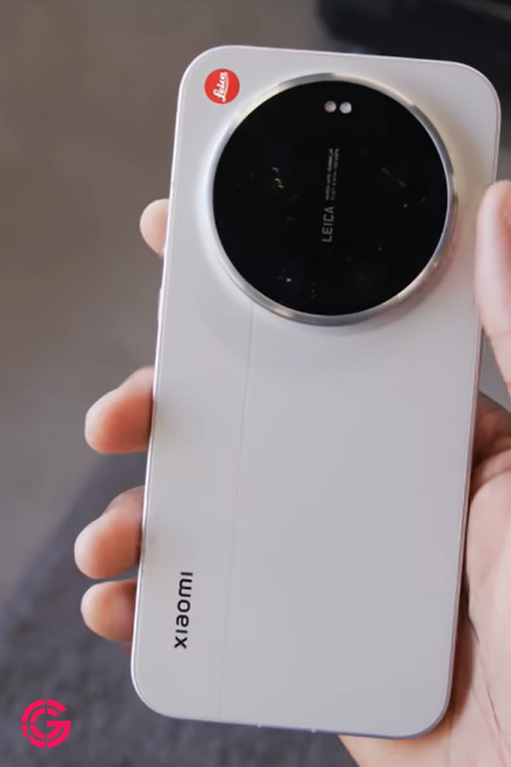
The Xiaomi 17 Ultra Leica Edition is not trying to be a normal flagship smartphone. It is built around the idea that the camera should dominate the entire experience, while the phone underneath plays a supporting role.
That approach is visible from the unboxing, the accessories, the materials, the branding and especially the hardware. Xiaomi has taken the familiar concept of a camera-focused phone and pushed it much closer to a dedicated camera experience.
This PhonesGate editorial examines whether that strategy works, where the Xiaomi 17 Ultra genuinely advances smartphone photography, and where the camera-first design creates new compromises.
Key takeaway
PhonesGate analyzes the Xiaomi 17 Ultra Leica Edition, including its one-inch main sensor, 200MP variable telephoto, camera control ring, Leica profiles and flagship hardware.
A Leica camera with a smartphone attached
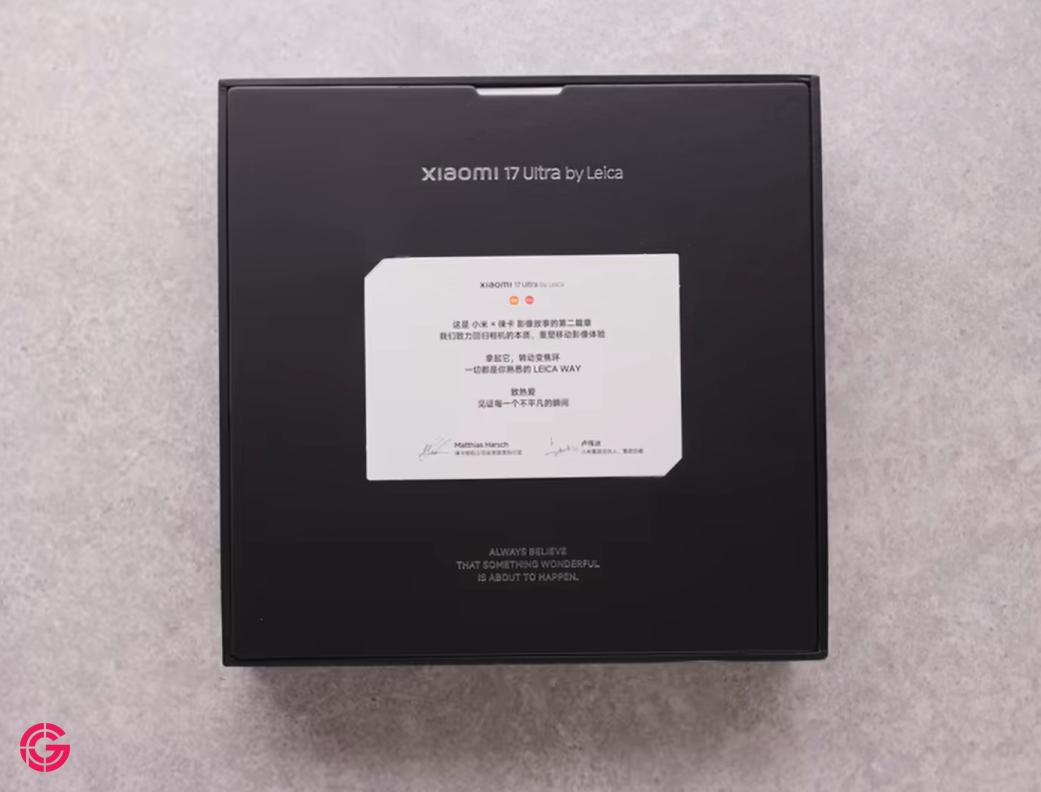
The Leica Edition makes its priorities obvious immediately. The box includes more than the phone itself.
The package includes:
11 min read
Xiaomi coverage from PhonesGATE. Published Jul 23, 2026.
- a custom case with magnetic attachment support;
- an aluminum lens cap;
- a high-quality microfiber cleaning cloth;
- a wrist strap that connects to the case;
- extensive Leica branding.
These accessories are not essential to using the phone, but they shape the experience. Xiaomi wants the owner to feel as though they are carrying a compact camera rather than simply another large Android flagship.
The design avoids copying the usual flagship formula

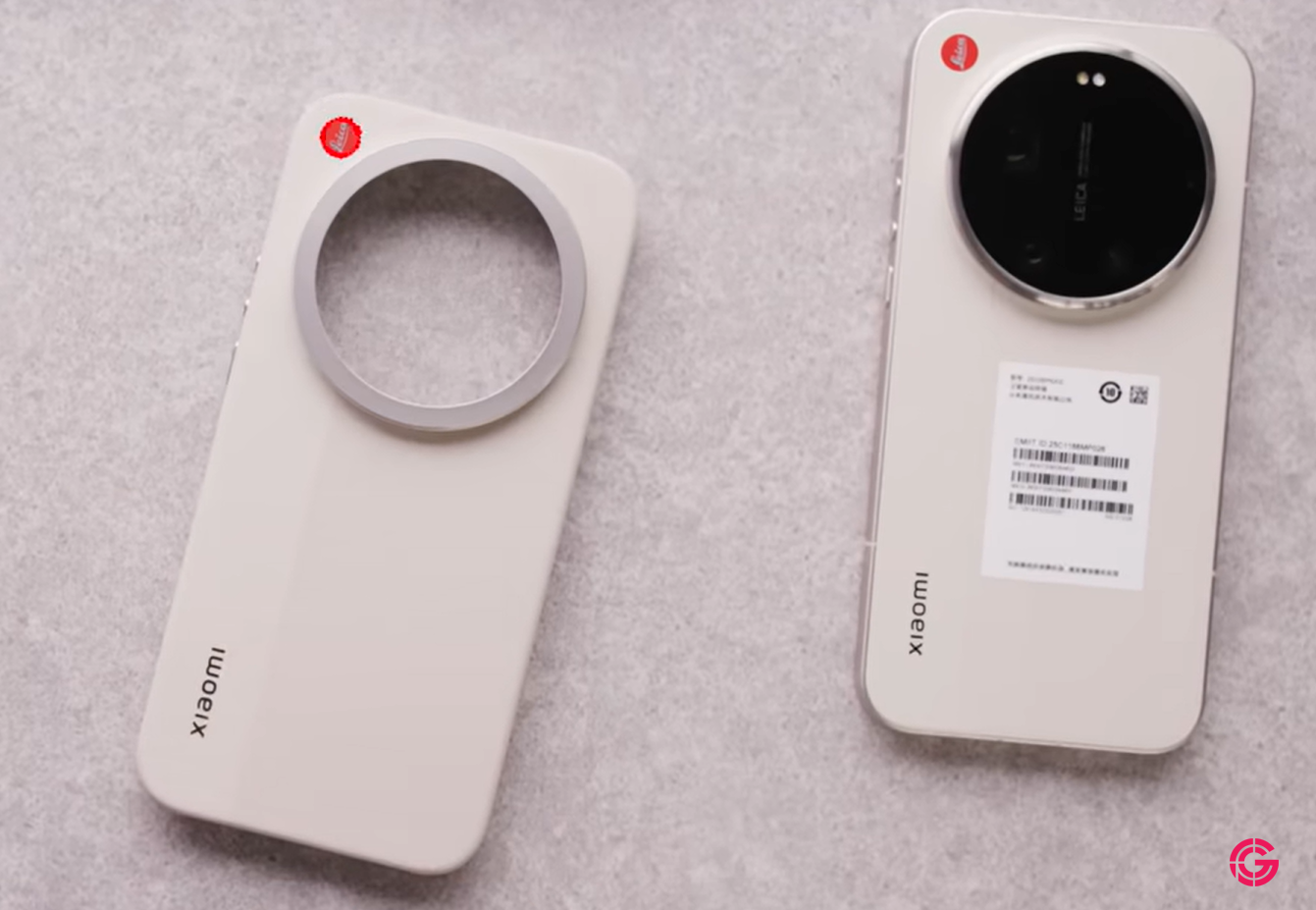
The Xiaomi 17 Ultra looks more distinctive than many modern flagships.
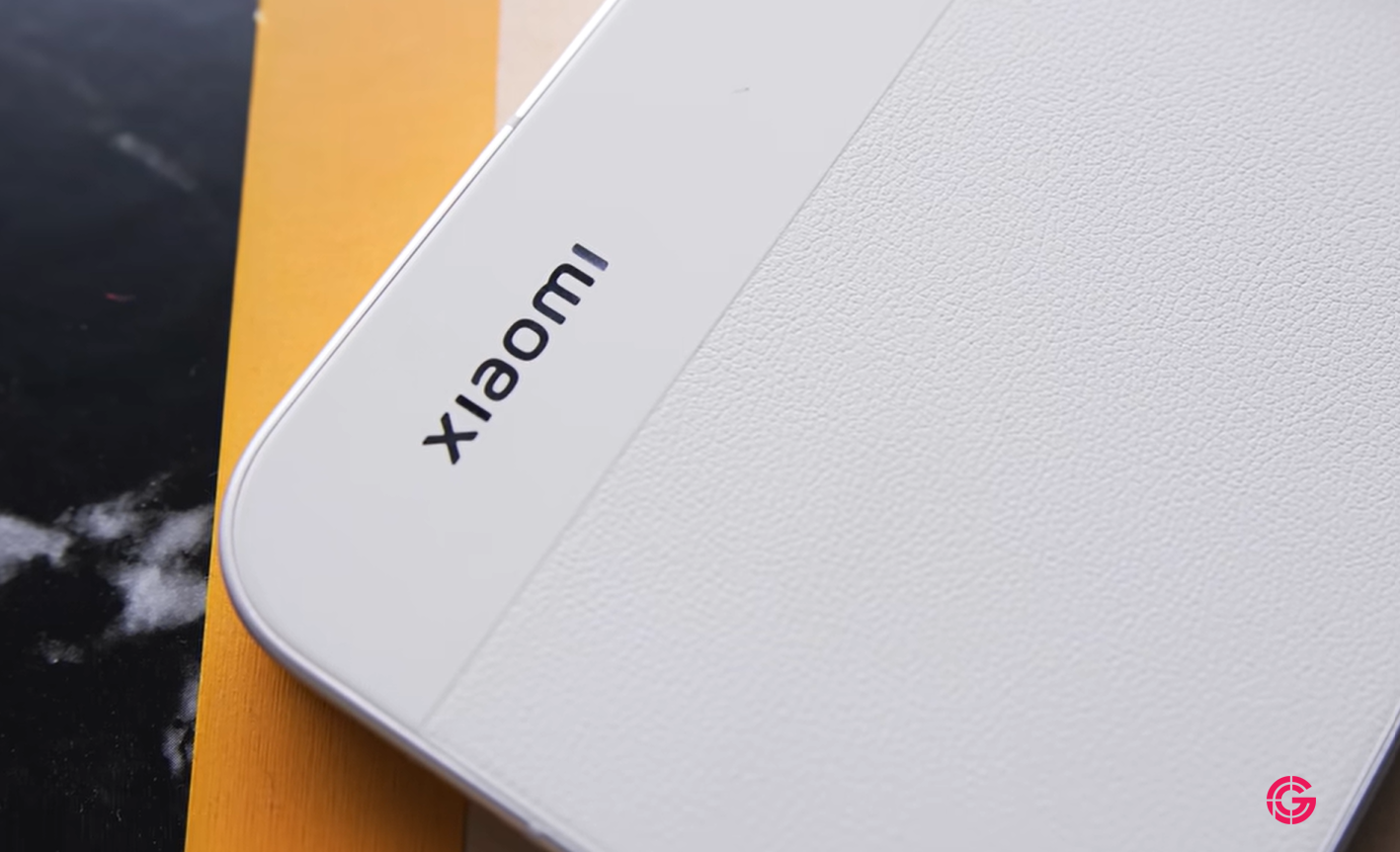
The body uses a two-part finish. The lower section has a subtle texture, while the top section is smoother. The circular volume buttons are unusually tactile and visually reminiscent of older smartphone designs.
Most of the branding is arranged horizontally, reinforcing the idea that the device is meant to be held like a camera.
Leica branding appears more prominently than Xiaomi branding. It is visible on the rear panel, the camera module and the side of the phone.
The grip and camera ring define the hardware
The side of the device includes a textured grip area. Around the circular camera module, Xiaomi has added a metal ring with its own textured finish.
The ring moves physically and provides simulated click feedback through haptics.
This is not just decoration. It is a programmable camera control.
One surprising omission is a conventional physical shutter button on the side. For a device so committed to the camera concept, a dedicated shutter key would have felt natural.
Triple-camera hardware with three distinct roles
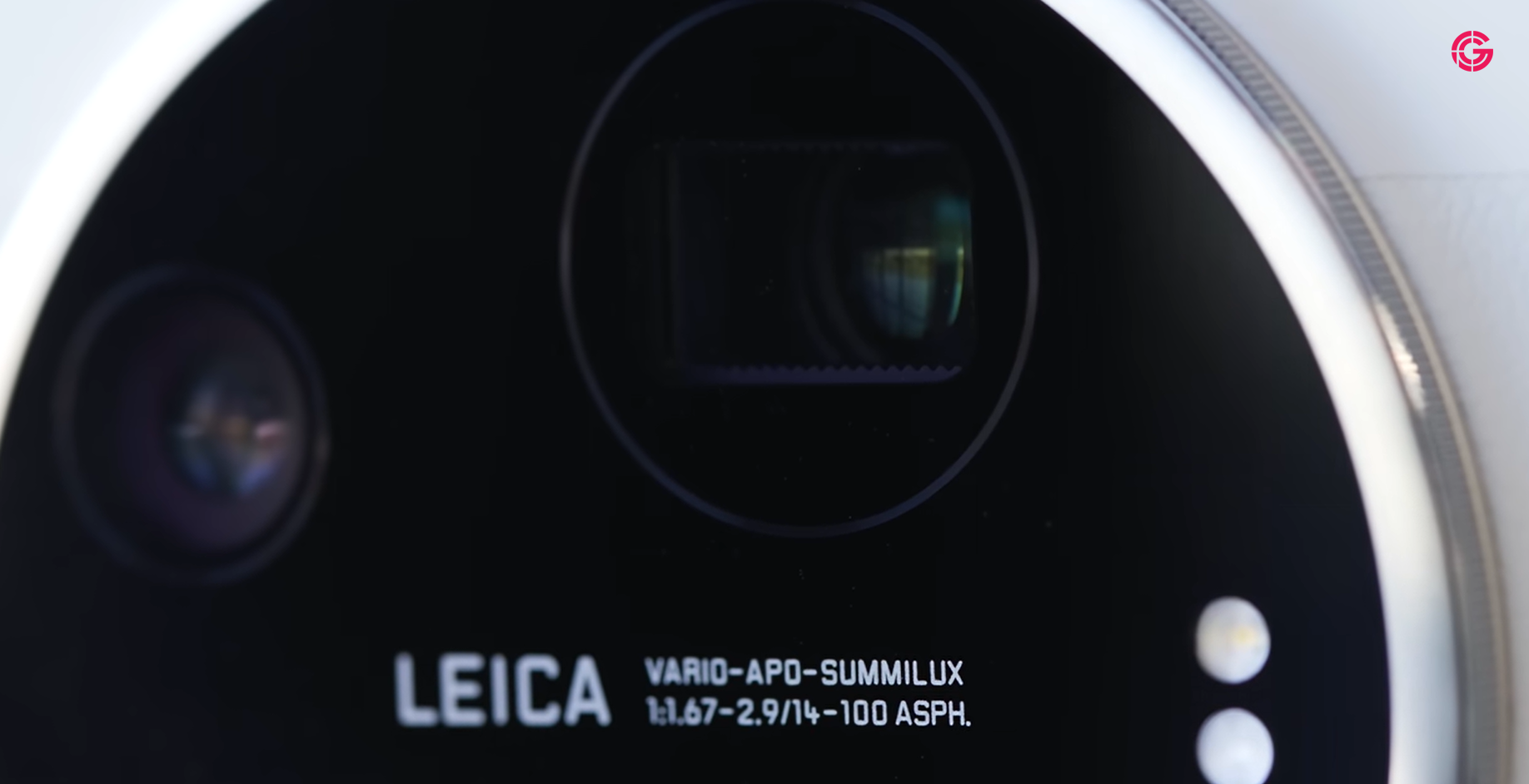
The Xiaomi 17 Ultra uses a triple-camera system:
- a main camera;
- an ultrawide camera;
- a variable telephoto camera.
Each camera is designed to contribute something specific rather than simply increase the lens count.
One-inch 50MP main camera
The main camera uses a large one-inch 50MP sensor with an f/1.67 aperture.
A sensor of this size can capture more light, produce stronger natural depth separation and preserve more fine detail than smaller smartphone sensors.
In practical use, the camera provides:
- fast autofocus;
- strong detail;
- natural shallow depth of field;
- good point-and-shoot reliability;
- high-quality low-light potential.
14mm 50MP ultrawide
The ultrawide camera uses a 14mm-equivalent lens and a 50MP sensor.
Its value is not only the field of view. Many ultrawide cameras become noticeably softer and less consistent than the main camera. Xiaomi's implementation appears good enough to remain useful rather than serving as a secondary novelty lens.
200MP variable telephoto
The telephoto camera is the most technically interesting part of the system.
It uses a 200MP sensor with a real variable focal-length range from approximately 75mm to 100mm equivalent.
The aperture changes from f/2.39 to f/2.96 across the range.
This allows the lens to zoom optically between roughly 3.2x and 4.3x before digital cropping becomes necessary.
Not the best camera, but possibly the best camera experience
The Xiaomi 17 Ultra may not produce the objectively best image in every scenario.
Its processing is not always clinical or neutral. Some images may show brighter skin tones, inconsistent color decisions or a style that prioritizes character over strict accuracy.
However, image quality is only one part of photography.
The more important achievement is that the phone makes taking photos enjoyable.
The camera app encourages experimentation through:
- multiple Leica profiles;
- physical camera controls;
- creative capture modes;
- high-resolution telephoto cropping;
- professional manual settings;
- strong video options.
Point-and-shoot performance is still excellent
Despite the advanced controls, the phone remains easy to use as a normal smartphone camera.
The large main sensor and fast autofocus make it possible to capture strong results without manual adjustment.
The phone can also record high-quality 8K video with minimal setup.
The built-in microphones are not necessarily at the same level as the video hardware, but an external microphone solves that limitation for more serious production.
Leica Vibrant and Leica Authentic
The standard camera experience offers two main color profiles:
- Leica Vibrant, which produces more saturated and immediately attractive images;
- Leica Authentic, which aims for a more restrained, traditional photographic character.
The Vibrant mode is likely to appeal to most users because it creates visually pleasing photos with little effort.
The Authentic profile is better suited to users who prefer a less processed look.
Leica Essential Mode goes beyond filters
Xiaomi also offers Leica Essential Mode.
This mode does not simply place a filter on top of an existing image. The selected look affects the capture pipeline itself, which means the result is baked into the photo.
Two notable options are:
- an M9-inspired look with fixed daylight white balance, stronger contrast and a more organic rendering;
- an M3 monochrome mode inspired by Leica's black-and-white cameras.
The monochrome mode uses reduced dynamic range, stronger contrast and visible grain to create a more deliberate aesthetic.
These modes may not deliver the maximum technical image quality, but they make the phone more enjoyable as a creative tool.
The 200MP telephoto enables useful cropping
A 200MP telephoto sensor provides more resolution before digital cropping begins.
This allows the phone to maintain respectable detail at longer zoom ranges without depending entirely on aggressive AI reconstruction.
That matters because overprocessed AI zoom can create unrealistic textures and invented detail.
Xiaomi's approach gives the user a stronger optical and sensor-level foundation before software enhancement is applied.
Extreme slow-motion video
The phone also supports 1080p video at up to 1,920 frames per second.
This is a highly specialized feature, but it demonstrates how aggressively Xiaomi is targeting photography and video enthusiasts.
The actual usefulness will depend on lighting, resolution quality and recording duration.
The camera ring is the signature feature
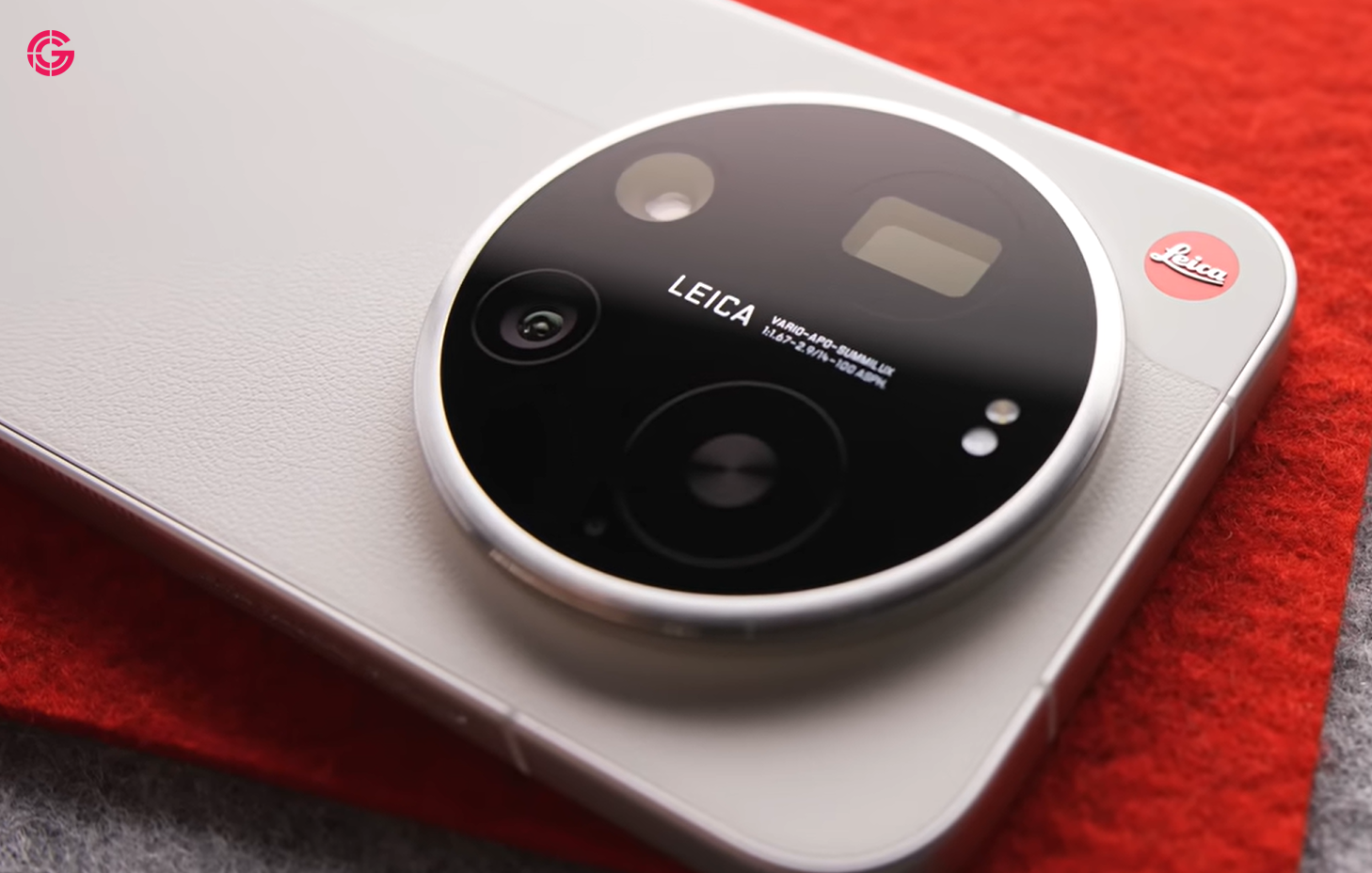
The metal ring surrounding the camera module acts as a programmable control.
A quick twist can launch the camera application.
Inside the camera app, the ring can control different settings depending on the active mode.
Default controls
- zoom in and out in photo mode;
- adjust exposure compensation in video mode;
- launch the camera quickly.
Custom controls in Pro mode
In professional modes, the ring can be assigned to:
- manual focus;
- shutter speed;
- white balance;
- exposure value;
- zoom sensitivity.
This is more flexible than the typical smartphone camera button because it behaves like a real camera dial.
PhonesGate take: this is what camera controls should feel like
The camera ring is one of the strongest examples of hardware and software working together.
It is not useful because it is new. It is useful because it provides direct control over settings that photographers already understand.
The physical feedback also makes the adjustment process more intuitive than sliding a finger across a touchscreen.
The rest of the phone is still a full flagship
The camera-first design does not mean Xiaomi has ignored the rest of the device.
The Xiaomi 17 Ultra includes:
- Snapdragon 8 Elite Gen 5;
- LPDDR5X RAM;
- UFS 4.1 storage;
- a 6.9-inch flat 120Hz display;
- up to 3,500 nits peak brightness;
- a 6,800mAh silicon-carbon battery;
- 90W wired charging;
- 50W wireless charging;
- IP69 dust and water resistance;
- HyperOS 3 based on Android 16.
These specifications make the device competitive even before the camera is considered.
A 6,800mAh battery supports the camera-heavy use case
Photography and video recording consume significant power.
The 6,800mAh silicon-carbon battery gives the phone enough capacity to support long shooting sessions, high-brightness outdoor use and demanding video modes.
Fast wired and wireless charging also reduce downtime.
IP69 with a moving camera ring is impressive
The phone retains an IP69 rating despite including a moving external control around the camera module.
That requires careful sealing and mechanical design.
For a device intended for outdoor shooting, strong water and dust protection is especially valuable.
The camera ring is not perfect
The same control that makes the phone unique also creates usability issues.
Fingers can enter the frame
When the ring is used for zooming, the user's fingers may move close to the lenses.
This is especially problematic when switching to the ultrawide camera, where the wider field of view makes it easier for a finger to appear in the image.
Accidental activation
The ring can also be triggered while the phone is being held normally.
That may cause the camera to open unintentionally.
Sensitivity controls can reduce the problem, but the feature requires adaptation.
The variable telephoto range is technically impressive but limited
The smooth optical range from 75mm to 100mm is real, but the difference is relatively small.
In practical terms, moving a few steps closer to the subject may produce a similar framing change.
The technology is more impressive than the actual zoom range.
A wider variable range would have made the feature more transformative.
The camera app forgets high-resolution settings
One of the most frustrating limitations is that the camera app returns to the default 12MP binned mode after it is closed.
Users who prefer full-resolution 50MP capture must reactivate it repeatedly.
This behavior is common on smartphones because lower-resolution photos use less storage and process more quickly.
However, the Xiaomi 17 Ultra is marketed as something closer to a dedicated camera.
A serious camera should remember the photographer's preferred settings.
PhonesGate take: Xiaomi should add persistent camera profiles
The phone would benefit from custom camera presets that store:
- resolution;
- color profile;
- white balance;
- ring behavior;
- video format;
- focus mode;
- exposure settings.
These presets could be assigned to shortcuts or the camera ring.
That would make the device feel much closer to a real camera.
Who should buy the Xiaomi 17 Ultra?
The Xiaomi 17 Ultra is designed for a specific type of buyer.
It is most suitable for:
- mobile photographers;
- video creators;
- users who enjoy manual camera controls;
- buyers who value creative profiles over perfectly neutral processing;
- people who want a large battery and flagship performance;
- Leica enthusiasts who want a pocketable alternative.
Who should avoid it?
The phone may not be the best choice for:
- users who want a compact device;
- buyers who rarely use advanced camera features;
- people who prefer simple, automatic photography;
- users who want the cleanest and most consistent image processing;
- buyers who prioritize long software support over camera hardware.
Is it better than a real camera?
The Xiaomi 17 Ultra cannot fully replace a dedicated interchangeable-lens camera.
A real camera still offers:
- larger sensors;
- better lenses;
- stronger low-light performance;
- more reliable manual controls;
- better ergonomics;
- professional audio and accessory support.
However, the Xiaomi has one major advantage: it is always available.
The best camera is often the one that is already in the user's pocket.
Frequently asked questions
Does the Xiaomi 17 Ultra have a one-inch camera sensor?
Yes. The main camera uses a one-inch 50MP sensor with an f/1.67 aperture.
What does the camera ring do?
It can launch the camera and control zoom, exposure, focus, shutter speed or white balance depending on the selected mode.
Does the phone have optical zoom?
Yes. The telephoto camera provides a real variable optical range from approximately 75mm to 100mm equivalent.
Can it record 8K video?
Yes. The phone supports high-resolution video recording, including 8K capture.
Does it support wireless charging?
Yes. It supports up to 50W wireless charging.
Is the phone water resistant?
Yes. It carries an IP69 dust and water resistance rating.
Is the Xiaomi 17 Ultra the best camera phone?
It may not be the most technically consistent camera phone in every scenario, but it offers one of the most complete and enjoyable shooting experiences.
PhonesGate verdict
The Xiaomi 17 Ultra is not simply a phone with a large camera module.
It is a camera-centered product from the packaging to the hardware, software, controls and accessories.
The one-inch main sensor, 200MP variable telephoto, Leica capture profiles and programmable camera ring make it one of the most ambitious smartphone camera systems available.
Its weaknesses are real. The ring can be awkward, the optical zoom range is limited, the camera app does not preserve every advanced setting and the image processing is not always neutral.
However, those flaws do not erase the main achievement.
PhonesGate's conclusion is that the Xiaomi 17 Ultra may not always produce the best single photo, but it may deliver the best overall smartphone photography experience for users who want to actively create rather than simply point and shoot.