
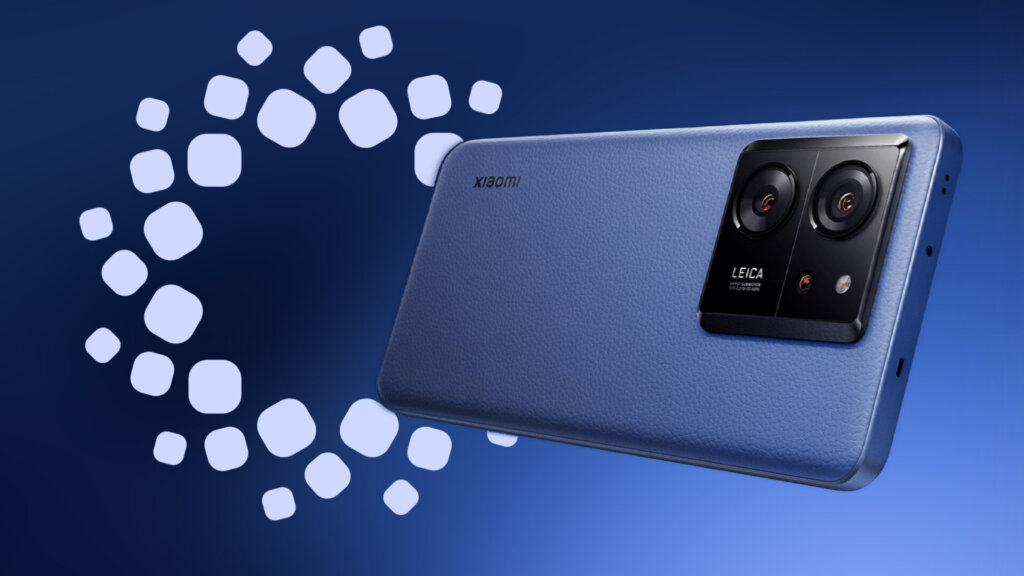
Source and context
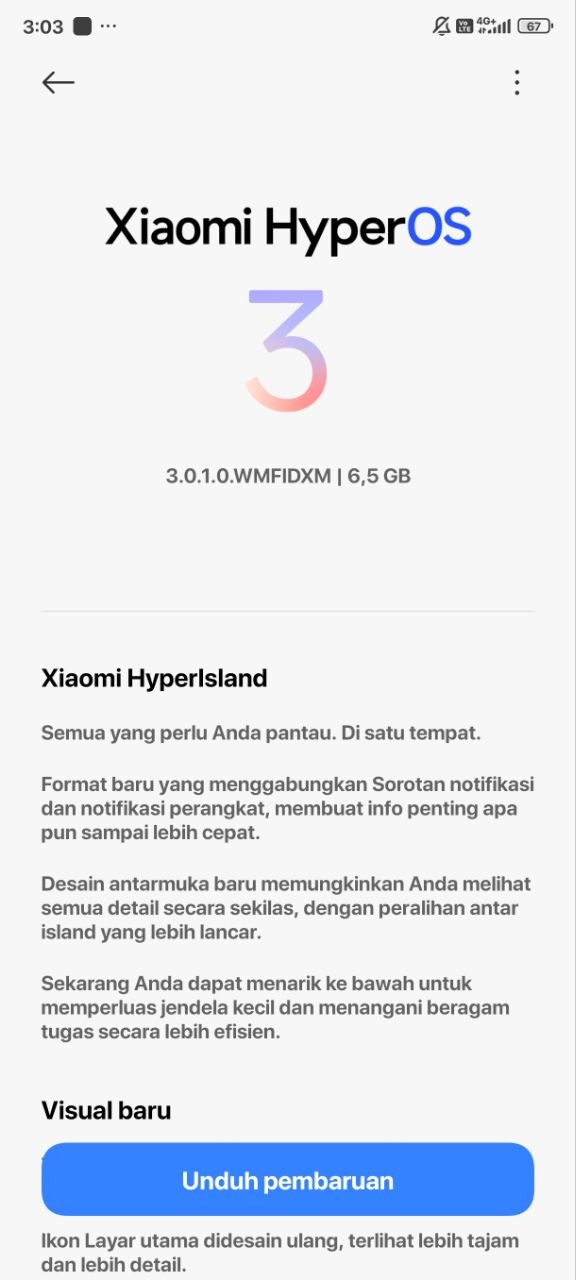
The Xiaomi 13T is receiving the long-awaited HyperOS 3 update, with the initial rollout reported for the Indonesia region under build number OS3.0.1.0.WMFIDXM. The package brings Android 16, a newer kernel, system-level performance and power optimizations, a visual refresh, the Xiaomi HyperIsland interface addition, and the April 2026 security patch.
What caused the delay?
The 13T’s HyperOS 3 release took longer than for many other eligible models. The update includes a jump to a new Android 16 kernel (identified as version 6.12.38-android16) rather than a routine monthly update. Kernel upgrades touch low-level subsystems — scheduling, memory handling, battery management, graphics, and hardware compatibility — and therefore require extended testing and validation. The full package is also sizable, at around 6.5GB, since it bundles the major HyperOS migration with the Android 16 platform files.
Major changes in HyperOS 3 for Xiaomi 13T
HyperOS 3 introduces several system-level improvements aimed at smoother responsiveness and better energy efficiency. The update reportedly refines compiler instructions to improve system responsiveness while reducing power draw. Memory allocation and recovery routines have been adjusted to preserve more usable RAM during everyday tasks. Integrated frequency scheduling has been optimized to reduce unnecessary battery consumption.
Key takeaway
Xiaomi has started rolling out HyperOS 3 based on Android 16 to the 13T, beginning in Indonesia with build OS3.0.1.0.WMFIDXM.
Graphics and multimedia behavior see targeted changes: a new window-rendering mechanism is intended to lower rendering load on the system, and short-video playback efficiency has been improved for heavy users of short-form content platforms. In aggregate, these platform-level tweaks are designed to make routine interactions feel faster and to extend usable battery life under typical workloads.
Xiaomi HyperIsland arrives on the 13T
One of the most visible additions in HyperOS 3 is Xiaomi HyperIsland, a notification and activity interface that centralizes key system events and makes them easier to follow at a glance. HyperIsland combines notification spotlight behavior with device notifications and supports smoother switching between small, multitasking windows. Users can pull down to expand mini-windows, allowing simpler handling of multiple tasks without fully swapping apps — a workflow enhancement aimed at improving multitasking fluidity.
4 min read
Xiaomi coverage from PhonesGATE. Published Jun 14, 2026.

Why this matters
For owners of the 13T, the update represents a significant platform upgrade rather than a routine security patch. Moving to Android 16 and a new kernel can change how the phone manages performance and power, and the visible interface changes — like HyperIsland — give the release a clear functional and cosmetic impact. The April 2026 security patch is included, bringing the device up to a more recent safety baseline.
PhonesGATE quick analysis
The delayed rollout aligns with the technical realities of kernel-level upgrades: deeper testing is appropriate when changes can affect broad device behavior. The reported optimizations — compiler improvements, memory handling, frequency scheduling, and reduced rendering load — are the kinds of low-level changes that typically improve everyday experience without altering headline specifications. HyperIsland is the clearest user-facing addition and will likely shape perceptions of the update for users who value multitasking and notification management.
What this means for buyers
Existing Xiaomi 13T owners should expect a large download (around 6.5GB) and should back up important data before installing. Early availability in Indonesia suggests staged regional rollouts; other markets may follow as testing and certification complete. If you prioritize multitasking enhancements and smoother short-video playback, HyperOS 3 delivers visible improvements. Buyers considering the 13T should note that this update illustrates Xiaomi’s ongoing software support for the device, including platform-level upgrades rather than only incremental fixes.
Related device context
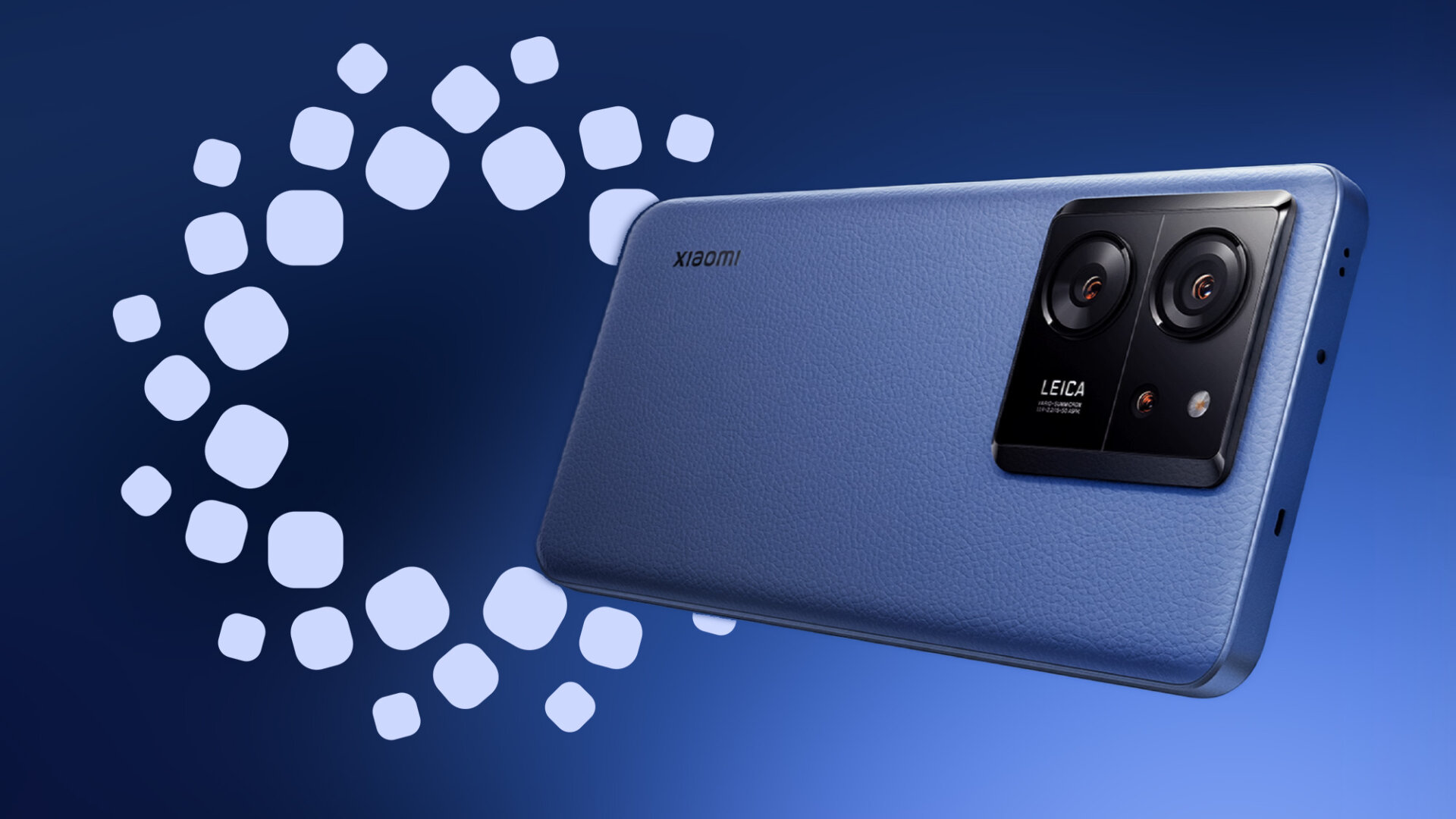
Owners of other recent Xiaomi flagships and upper-midrange models that already received HyperOS 3 earlier this year can expect similar feature sets — though kernel versions and timing have varied by model. If you have devices such as the Xiaomi 13T Pro or other HyperOS-eligible phones, watch for matched updates or region-specific rollout notices.
Sources and methodology
This article is based on reporting from XiaomiTime, with PhonesGATE editorial context and buyer-focused analysis.