

Modern smartphone cameras have been engineered to never take a bad photo, and that obsession is quietly making ordinary photos worse. The technology built to rescue impossible shots is now being applied to shots that never needed rescuing.
For more than a decade, every new phone generation promised a visibly better camera, and for a long time that promise was easy to keep. Early smartphone cameras were genuinely poor: tiny fixed-focus sensors with no video recording and no front camera at all. There was enormous room to improve, and manufacturers improved rapidly.
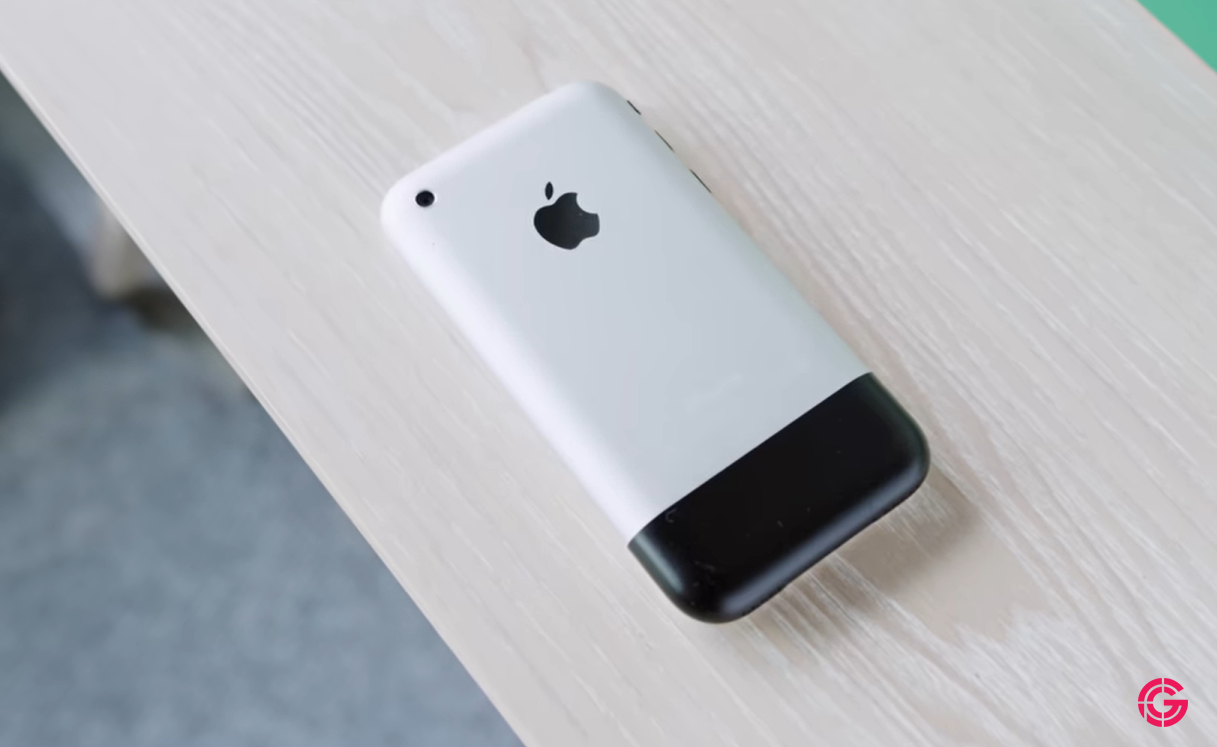
That era is over. Today, almost any phone released in the last five years can produce a perfectly usable photo in good daylight. The differences that remain live somewhere else entirely, and understanding where they live explains one of the strangest trends in mobile photography: side-by-side generational comparisons in which older flagships sometimes produce more pleasing daylight photos than brand-new ones.
Key takeaway
Modern smartphone cameras are engineered to rescue impossible shots with multi-frame HDR and tone mapping, but applying that same processing to ordinary daylight photos creates the over-processed look that makes some older flagships appear more natural.
PhonesGate analysis at a glance
Topic Assessment Hardware progress Largely plateaued; sensor and lens sizes are limited by phone thickness Easy conditions Nearly all modern phones produce good daylight photos Difficult conditions Low light, backlighting, motion and zoom still separate cameras clearly Computational photography Remarkable at rescuing bad scenes, increasingly heavy-handed in normal ones The over-processed look Haloing, lifted shadows, flattened contrast and unnaturally bright faces Generational comparisons Older flagships can look more natural in simple daylight scenes User control Pro modes, RAW capture and third-party apps can reduce processing What needs to change Smarter tuning: full processing only when the scene requires it
The hardware race ran out of room
Smartphone camera improvement used to be driven by physical upgrades: bigger sensors, better lenses, optical stabilization, more capable focusing systems. Those upgrades were possible because phones themselves kept growing.
8 min read
iPhone coverage from PhonesGate. Published Jul 27, 2026.
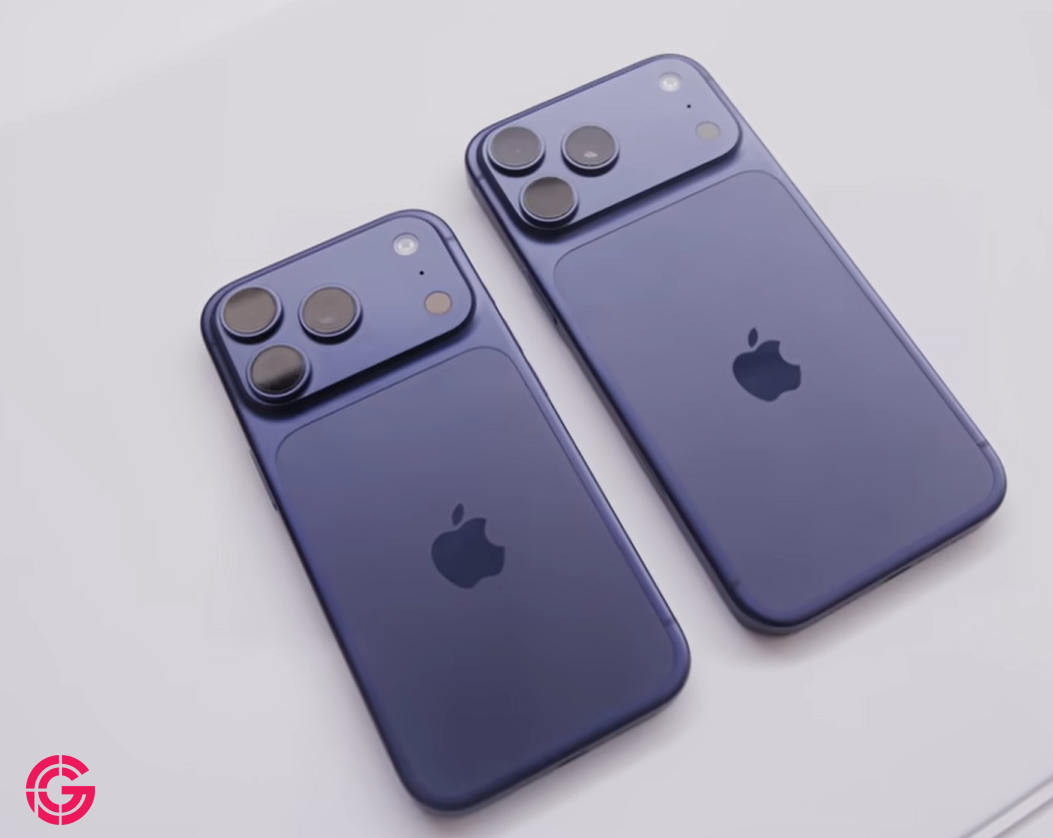
At some point in the last decade, phones effectively stopped getting bigger. Pockets and hands set a hard limit. Camera bumps kept swelling for a while, but there is only so much optical hardware that fits inside a device people are willing to carry.
With physics closing the door on dramatic hardware leaps, the industry shifted its energy to software. The result is what we now call computational photography: the phone captures multiple frames, analyses the scene, detects faces, maps tones and merges everything into a single finished image in a fraction of a second.
Daylight photos stopped separating good cameras from bad ones
Put a five-year-old flagship next to this year's model and photograph a well-lit scene with both. Without zooming in, the two results can be surprisingly hard to tell apart. A newer phone with a larger sensor may show slightly shallower depth of field, and colour tuning will differ, but both photos are simply good.
This is why manufacturers no longer compete primarily on the easy shot. The competition has moved to the edges:
- very low light;
- strongly backlit scenes;
- fast-moving subjects;
- long-range zoom;
- mixed and artificial lighting.
These are the scenarios where a strong camera system and a weak one still produce visibly different results, and they are exactly the scenarios computational photography was invented to win.
Computational photography is a safety net that never misses
Consider a fully backlit portrait: a person standing in front of a bright sky, wearing dark clothing. Optically, this scene is close to impossible. A camera without modern processing must choose between a silhouette against a correct sky or a visible face against a blown-out white background.
A modern flagship handles it invisibly. Multi-frame HDR, tone mapping, exposure adjustment and face detection combine to show the face, the dark clothing and the blue sky in one balanced frame. Photographers recognise how remarkable that is; everyone else just sees a normal photo, which is precisely the point.
Modern phone cameras have become machines that refuse to produce a bad image. Point them at almost anything and something presentable comes out. As a safety net, that is a genuine achievement.
The problem: the safety net is always on
The trouble begins when the same aggressive toolkit is applied to photos that never needed saving.
A camera pipeline tuned to rescue the worst possible scene tends to treat every scene as if it might need rescuing. Shadows are lifted whether or not anything important hides in them. Faces are brightened whether or not they were actually dark. Highlights are compressed even when the natural contrast was part of what made the scene attractive.
The result is a recognisable aesthetic that many users have learned to dislike without being able to name it: the over-processed look.
How to recognise over-processing
- haloing or glow around high-contrast edges, such as windows and backlit objects;
- faces that look brighter than they were in reality;
- shadows lifted so far that the image feels flat;
- every part of the frame equally exposed, removing natural depth;
- an overall "HDR poster" appearance instead of a photograph.
When older phones win the comparison
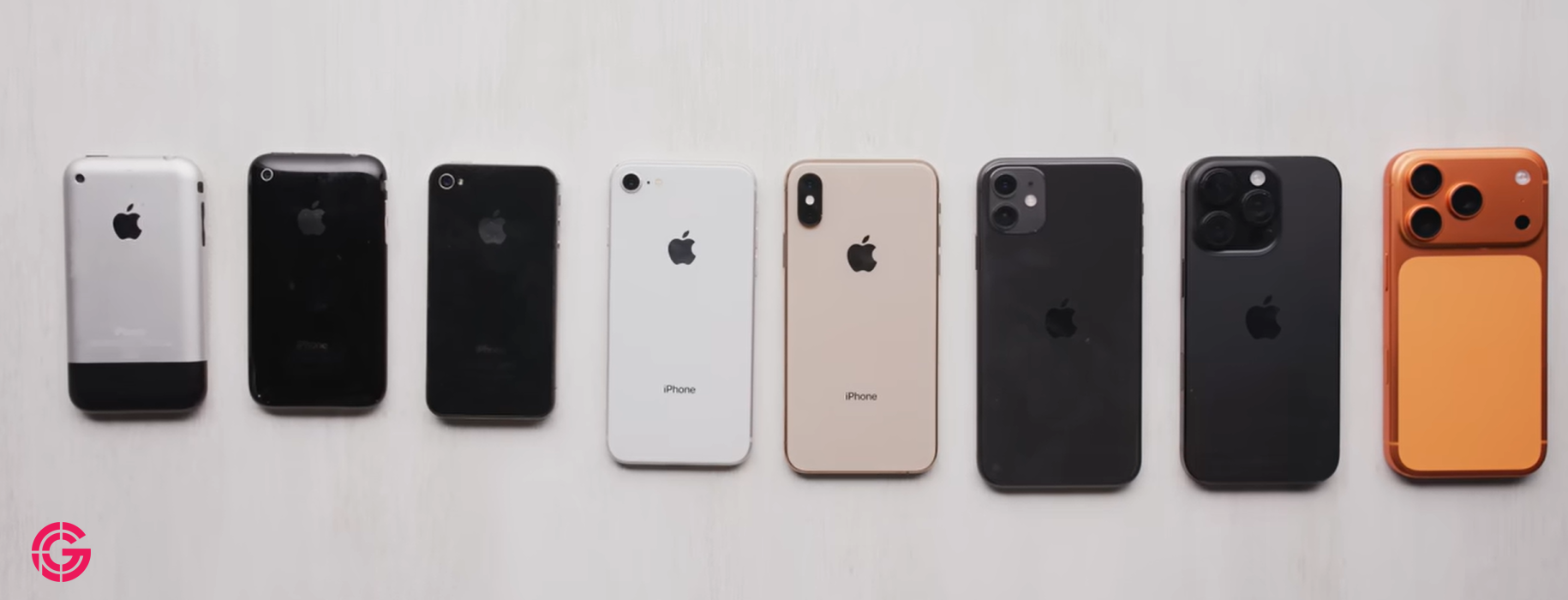
Generational camera comparisons, in which the same scene is photographed with every model in a product line, have become popular precisely because of what they reveal.
Early generations show the expected story: each phone clearly better than the last. Then multi-frame HDR arrives, and suddenly previously impossible details appear, such as the view through a bright window behind the subject. That moment is a genuine leap forward.
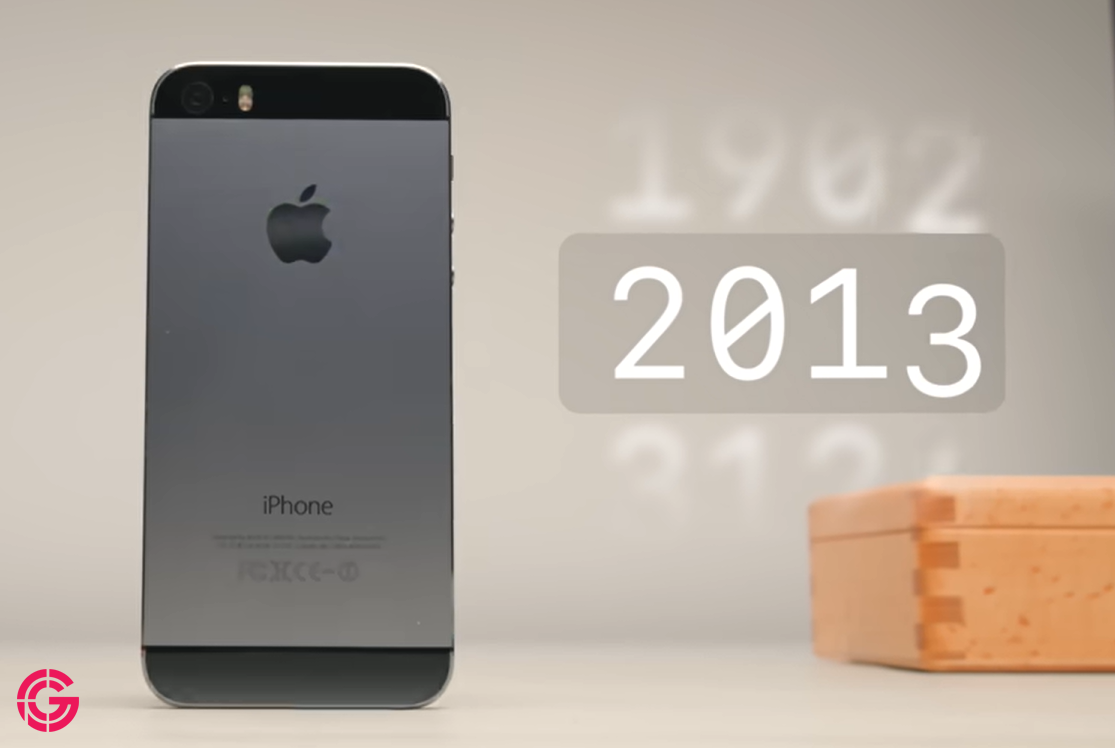
The surprise comes at the end of the timeline. In simple daylight scenes, many viewers consistently prefer photos from flagships several generations old over the newest models. The older photo may technically show less shadow detail, but it looks more natural: less haloing, less artificial glow, more believable contrast.
When a meaningful share of users prefers the older photo, that is not nostalgia. It is a signal that processing has drifted past the point of improvement.
You can watch the processing happen
The easiest way to understand how much software sits between the sensor and the final image is to watch the capture moment on any modern phone.
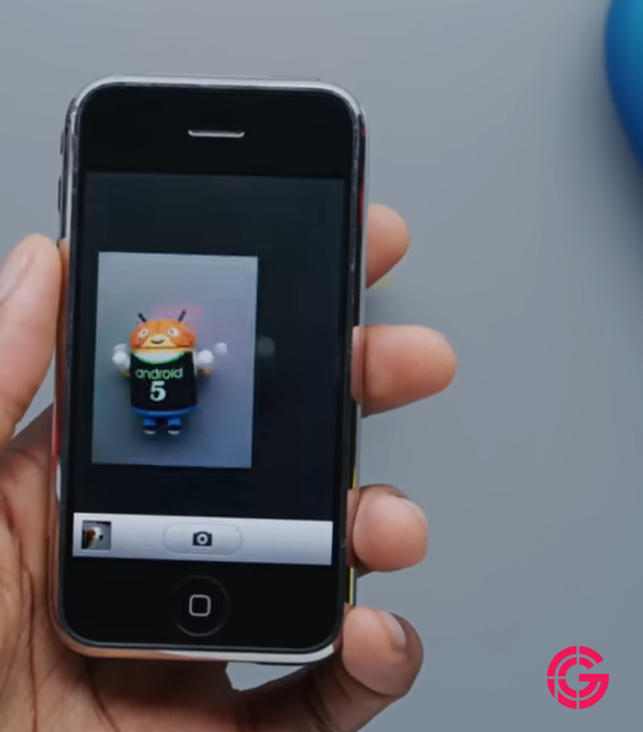
There is a visible gap between what the viewfinder shows before the shutter is pressed and the finished image that appears in the gallery moments later. The photo visibly "snaps" into its final form as processing completes. The harder the scene, the more dramatic that snap. In an easy scene, ideally, there should be almost no snap at all.
The real challenge is knowing when to turn it off
Manufacturers already possess every tool involved: HDR merging, tone mapping, face detection, exposure balancing, noise reduction. The competitive question is no longer who has these tools, but who applies them with the most restraint.
The ideal camera pipeline behaves like a good editor:
- in a hopeless scene, it intervenes with everything it has;
- in a good scene, it does almost nothing and lets the light speak.
Scene-aware restraint, not additional processing power, is the most valuable camera upgrade the next generation of flagships could ship.
What users can do today
Users who dislike the over-processed look are not powerless:
- use the built-in Pro or Expert mode, which typically applies lighter processing;
- shoot in RAW where available and finish the photo in an editing app;
- try third-party camera apps designed to minimise or disable computational processing;
- reduce in-camera sharpening, HDR strength or tone options where the manufacturer exposes such settings;
- compare results, since some scenes genuinely benefit from full processing.
Frequently asked questions
Are new smartphone cameras actually worse than older ones?
No. In difficult conditions such as low light, backlighting and zoom, new cameras are dramatically better. The regression appears mainly in easy daylight scenes, where aggressive processing can make photos look less natural than those from older flagships.
What is the over-processed look?
It is the combination of haloing around high-contrast edges, lifted shadows, brightened faces and flattened contrast that results from applying heavy HDR and tone mapping to scenes that did not need it.
Why do manufacturers process photos so heavily?
Because processing guarantees a usable image in any conditions. A camera that never produces a visibly bad photo is easier to sell than one that occasionally fails, even if the guarantee costs some naturalness in ordinary shots.
Can computational photography be turned off?
Rarely in full, but it can usually be reduced through Pro modes, RAW capture and third-party camera applications. Results vary by manufacturer and model.
Does hardware still matter?
Yes. Sensor size, optics and stabilization still define the ceiling of what processing has to work with, especially in low light and at long zoom distances.
Which scenes still separate good cameras from bad ones?
Low light, strong backlighting, fast motion, long-range zoom and mixed lighting remain the scenarios where camera systems differ most visibly.
PhonesGate verdict
Computational photography is one of the great success stories of the smartphone era. It turned an optically compromised device into a camera that almost never fails, and in genuinely difficult scenes it produces results no amount of pocketable hardware could achieve alone.
But the industry has begun over-applying its own best invention. When ordinary daylight photos from new flagships look less natural than those from models released years earlier, tuning has drifted in the wrong direction.
The next meaningful camera upgrade will not be a bigger number on a specification sheet. It will be judgement: a pipeline confident enough to do nothing when nothing is needed. The best camera is no longer the one that saves every photo. It is the one that knows which photos never needed saving.