

The vivo Y600 is a different kind of mid-range phone. Instead of asking buyers to pay for more camera lenses or a faster chip, it puts battery endurance first. The China-market device combines a 10,000mAh battery with a 6.83-inch AMOLED display, 44W wired charging and a MediaTek Dimensity 7300e processor. The headline number is compelling; the harder question is what it changes in everyday life.
It also arrives with an eye-catching Guinness World Records result: 32 hours and 37 minutes. But that number comes from a defined electronic-product testing livestream, not an independently measured average screen-on time for every buyer. This PhonesGate analysis explains the distinction, looks at the real compromises and identifies the buyers who might genuinely benefit.
Methodology: This is a desk-based editorial analysis of the official vivo specification sheet, the vivo product page, and the Guinness World Records entry. PhonesGate has not conducted hands-on battery, charging or camera tests on this handset.
Key takeaway
vivo Y600 offers a 10,000mAh battery and 44W charging. PhonesGate explains its 32h37m Guinness test, manufacturer lab figures and buyer trade-offs.
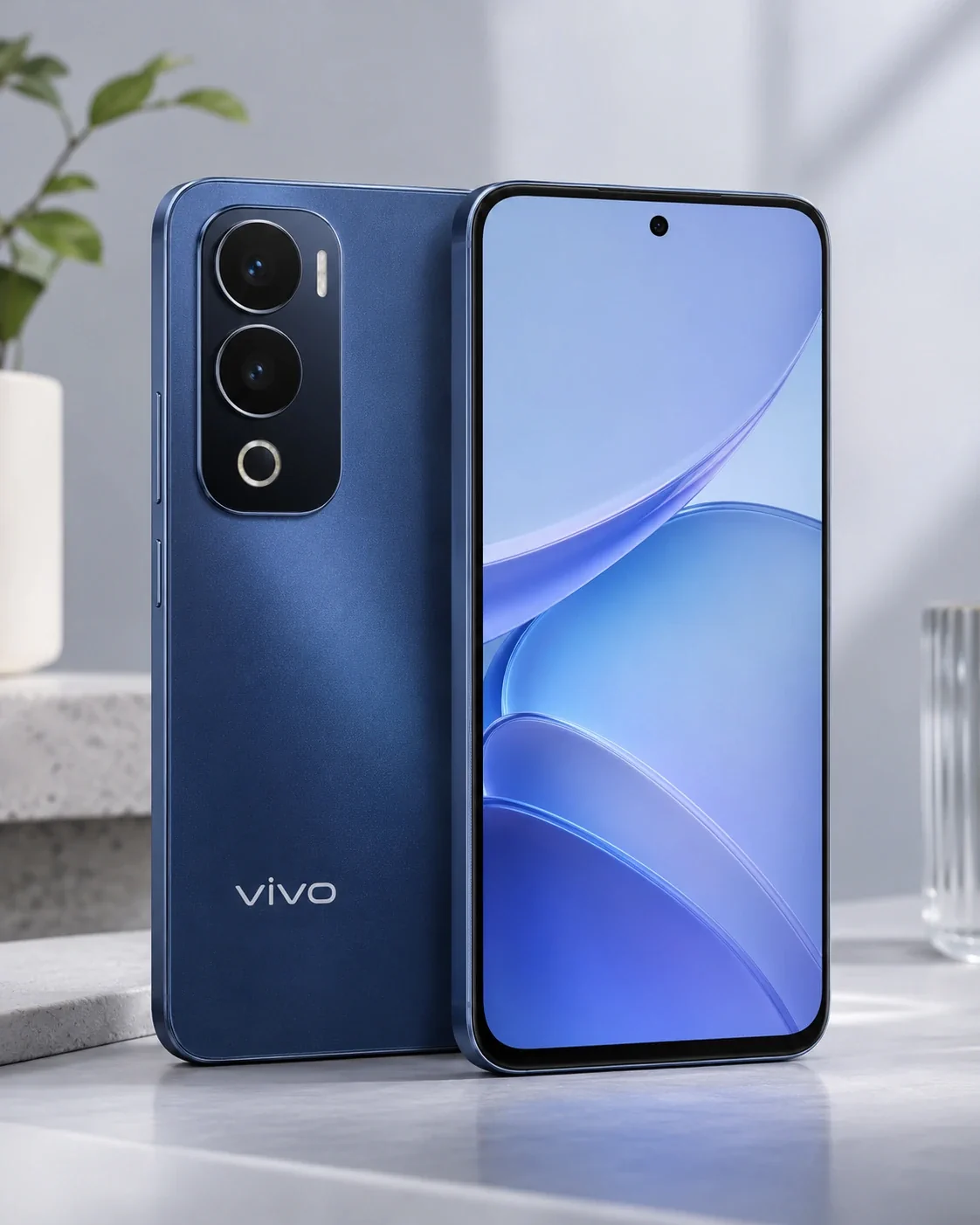
Image disclosure: The visuals in this version are original PhonesGate data graphics, not actual vivo Y600 device photography. Official product photography is linked in the editorial image-source notes and must be cleared before it replaces these graphics.
What vivo actually launched
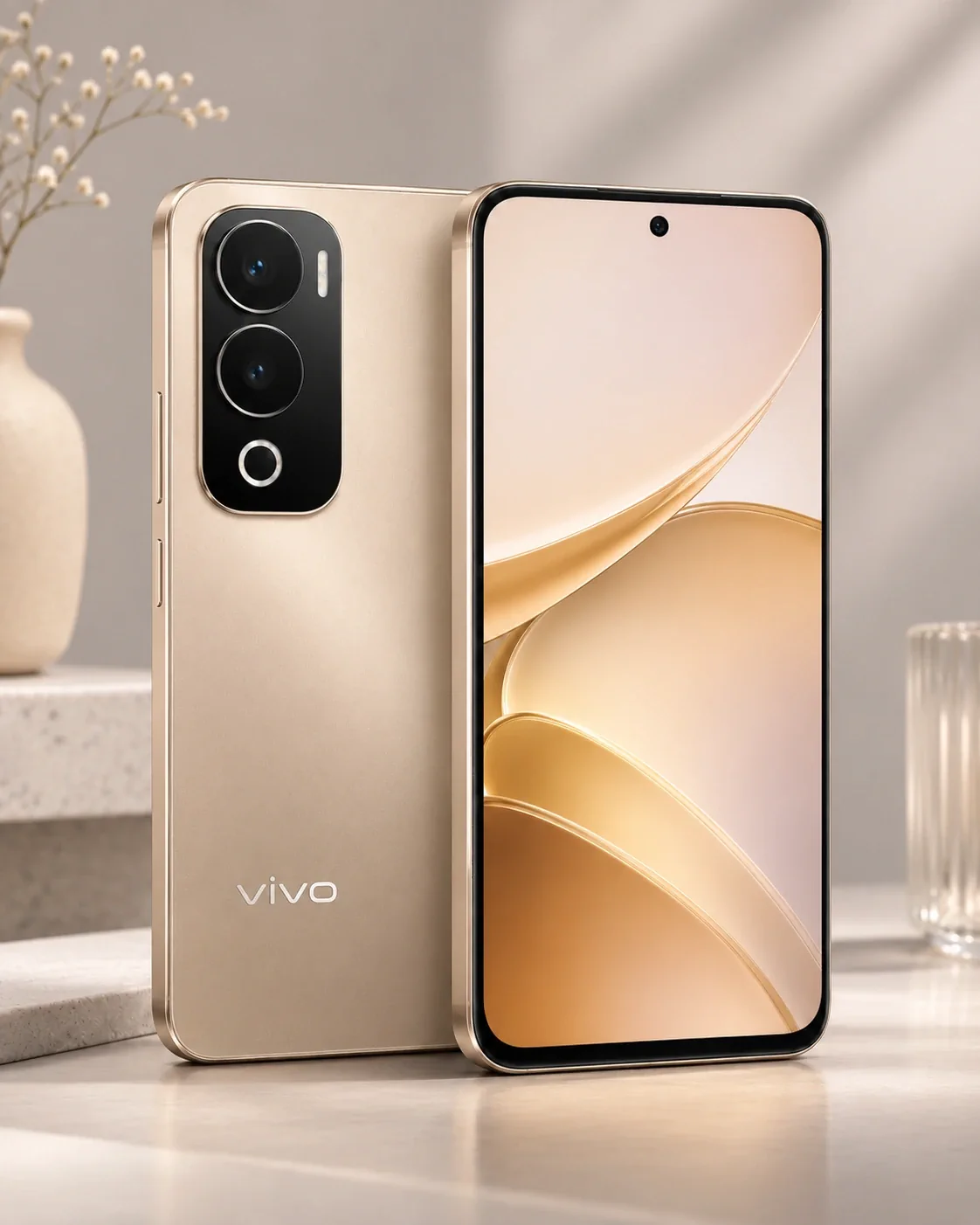
The vivo Y600 (V2607A) was introduced for China in October 2026, with retail sales reported to have started on October 30. Importantly, this is the standard Y600: do not confuse it with the separate Y600 Pro, Y600 Turbo or differently branded regional handsets. Their batteries, charging systems, cameras and product photography are not necessarily interchangeable.
8 min read
PhonesGate coverage from PhonesGate. Published Nov 3, 2026.
The confirmed specifications reflect an endurance-first design. The Y600 carries a 6.83-inch 2,800 × 1,260 AMOLED panel with up to 120Hz refresh, an eight-core Dimensity 7300e, 6GB or 8GB RAM, and 128GB or 256GB storage. Vivo lists a 50MP rear camera and an 8MP front camera, rather than presenting the phone as a multi-camera flagship.
Feature China-market vivo Y600 (V2607A) Battery 10,000mAh typical; 37.30Wh typical Charging 44W maximum supported charger output; USB OTG reverse charging Display 6.83-inch AMOLED, 2800 × 1260, up to 120Hz Chipset MediaTek Dimensity 7300e Memory/storage 6GB/8GB RAM; 128GB/256GB storage Cameras 50MP rear; 8MP front Dimensions 163.90 × 76.50 × 8.59mm; Diamond Gold 8.69mm Weight 224g; Diamond Gold 225g Colours Sapphire Blue, Diamond Gold, Obsidian Black
These specifications and weights come from vivo's published Chinese product sheet. Exact software availability, regional carrier compatibility and after-sales terms should be checked against the intended market rather than assumed from China.
The Guinness result: impressive, but not universal battery life
Guinness World Records lists a category called “Longest electronic product testing live stream.” It records a duration of 32 hours and 37 minutes for the vivo V80 Lite 5G Team. The record description also identifies Y600 5G, S2 FE and JOVI Y600 Pro 5G among regional names associated with the test device. The live test took place in Chiang Mai, Thailand, in August 2026, and used a range of high-drain scenarios including navigation, gaming, photography, video, streaming and calls.
There are two reasons not to treat this figure as an ordinary battery benchmark. First, it describes the outcome of a specific controlled record attempt rather than the average endurance of random phones in the field. Second, the official record's regional model naming requires care: matching a commercial name does not by itself prove that every regional SKU has identical hardware or software.
What can responsibly be said? The Y600 is positioned around exceptional endurance, and an extended, documented live test provides more context than a vague claim of “two days” alone. What cannot responsibly be said is that every Y600 owner will obtain exactly 32 hours and 37 minutes of screen-on time, gaming time or battery runtime.
Vivo's own laboratory figures are scenario-specific. Its product page describes up to 29 hours of short video, 28 hours of long video, 16 hours of navigation and 144 hours of online music under defined settings. These should be labelled manufacturer test claims, not verified independent results. Brightness, mobile signal quality, temperature, background apps and camera use all shift the outcome.
Why a 10,000mAh battery changes the daily experience
The practical attraction is freedom from planning around a wall socket. A delivery driver using maps, a traveller on a long connection, or an outdoor worker relying on connectivity may value reserve capacity more than peak benchmark performance. The gain is not simply “twice the battery life” of a nominal 5,000mAh phone; power draw also depends on the display, modem, software and workload.
Vivo's documentation specifies 10,000mAh at a nominal 3.73V, or 37.30Wh typical. Watt-hours are useful because capacity in mAh alone is not a perfectly comparable measure across different cell voltages. A larger watt-hour figure means more stored energy, but not a guaranteed number of hours on screen.
There is a durability angle too. Vivo claims that its battery retains at least 80% capacity after 1,400 charge-discharge cycles under its test conditions and markets it as a “seven-year durable” battery. That is a laboratory longevity claim, not a warranty that every device will maintain identical capacity for seven calendar years. Heat, storage charge levels and charging habits still influence ageing.
Readers interested in why manufacturers can put so much energy into a reasonably slim chassis should also read PhonesGate's explainer on silicon-carbon smartphone batteries.
Charging, size and the trade-offs
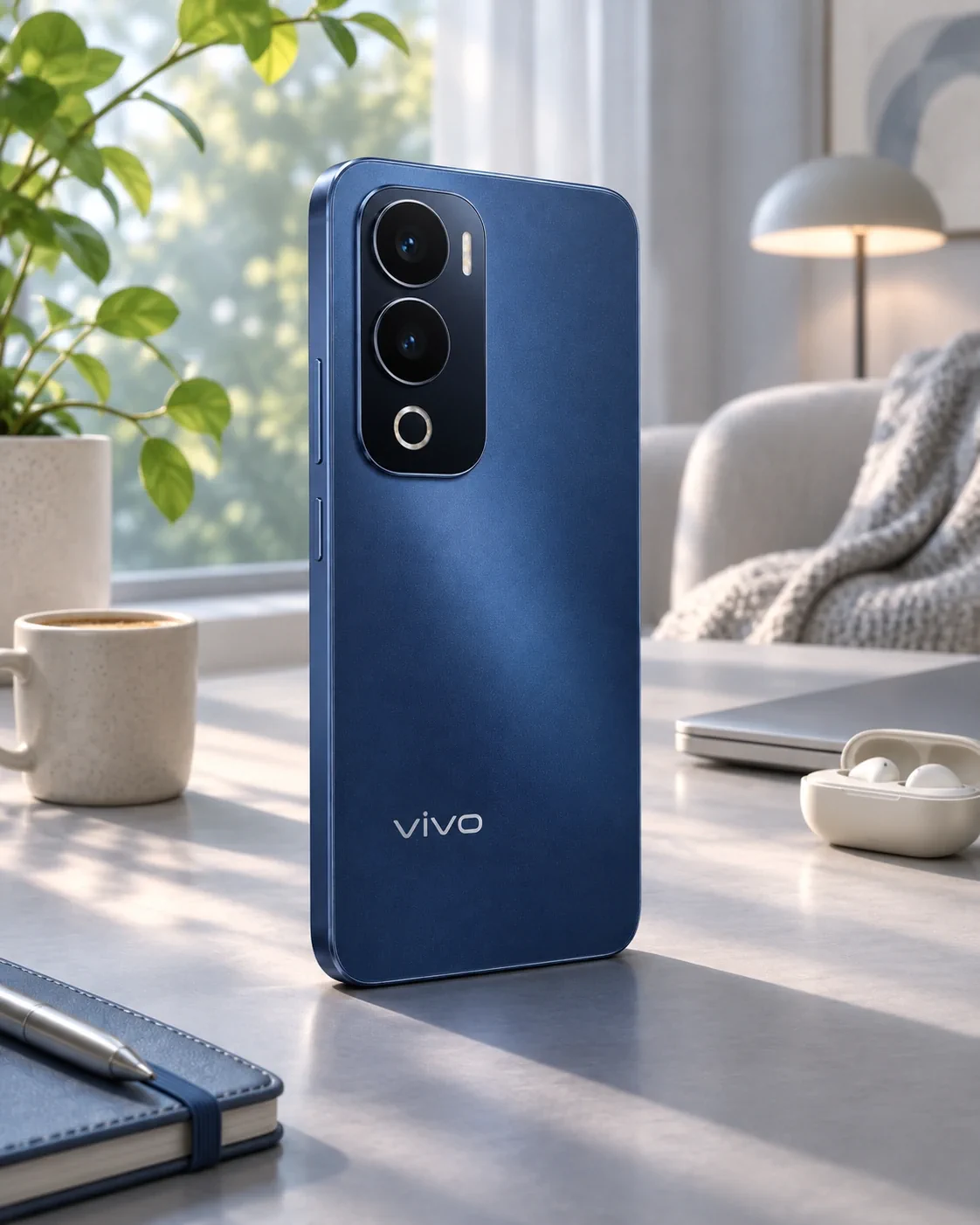
The 44W charging rating deserves just as much attention as the 10,000mAh cell. Forty-four watts is the maximum charger output supported by the device according to vivo, not a guaranteed constant draw from empty to full. Power normally tapers as the battery fills and conditions change. With such a large energy store, buyers should not expect a brief top-up to deliver a full charge; no independently verified 0–100% charging time is available in our source set.
The phone is also not tiny. Vivo lists 224g in Sapphire Blue and Obsidian Black, or 225g in Diamond Gold. At 76.5mm wide, it may be less comfortable one-handed than a compact phone. This is a visible trade: extra energy capacity without turning the phone into a huge rugged brick, but still more weight than many slim mainstream models.
Vivo advertises IP68 and IP69 protection and additional environmental and drop testing. Such ratings are useful, yet they do not make a device indestructible, and water-resistance claims have test conditions. Buyers should read the local warranty terms before treating the phone as safe for saltwater, intentional underwater use or repeated impacts.
Display, cameras and performance: where priorities show
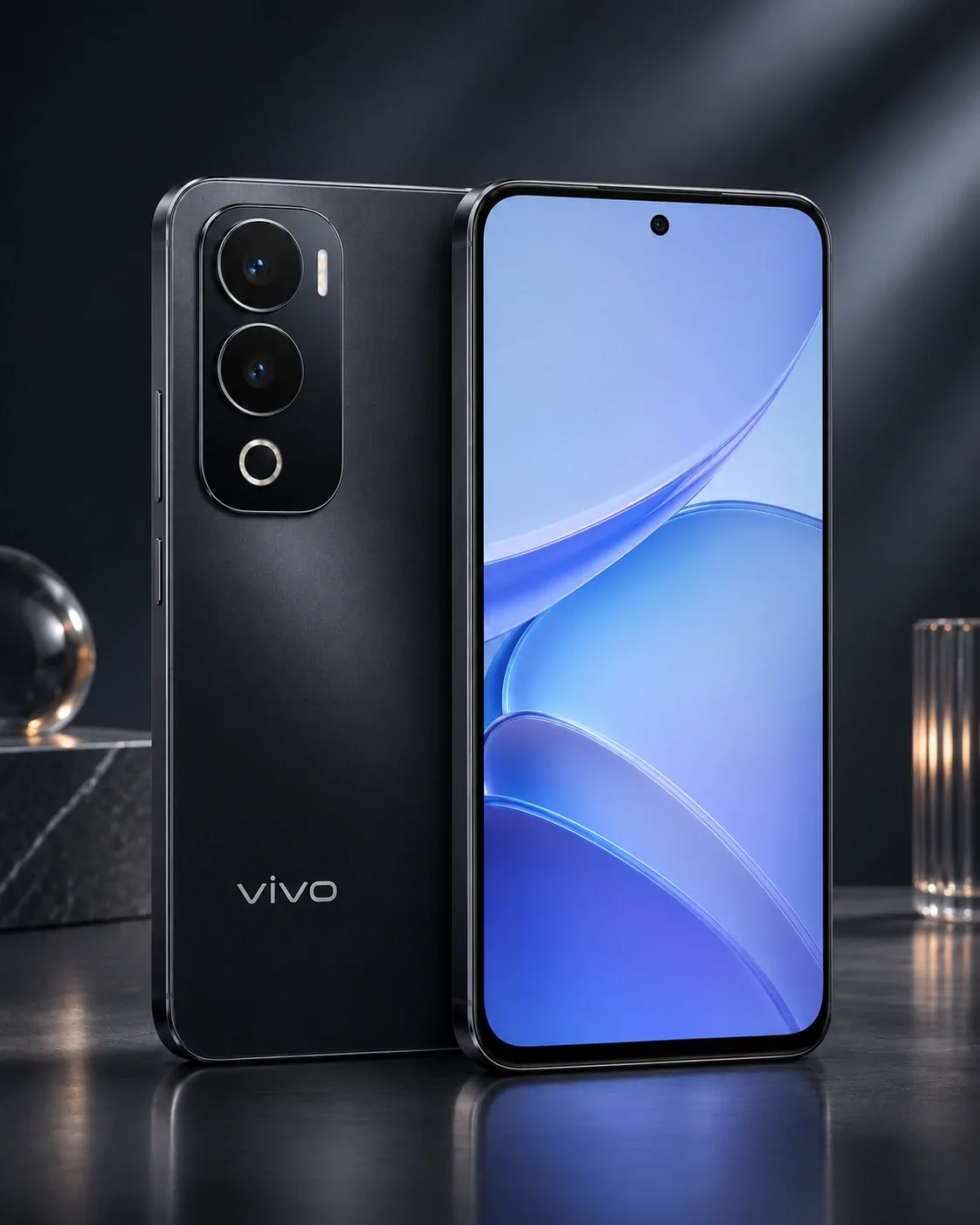
On paper, a 120Hz AMOLED display at 2,800 × 1,260 gives the Y600 a compelling everyday interface. That matters for reading, navigation and media, which are precisely the tasks that benefit from extended battery life. However, the screen's outdoor visibility and color accuracy need independent measurement before they can be compared with more expensive competitors.
The Dimensity 7300e should be evaluated as an efficiency-conscious mid-range processor, not presented as a flagship gaming chip. We have not measured frame rates, throttling or temperatures on this model. Likewise, a 50MP main-camera rating does not establish image quality, dynamic range or low-light performance. Vivo's listing shows one rear camera and an 8MP selfie camera, so buyers who prioritize ultrawide, telephoto or advanced video capabilities should scrutinize those omissions rather than focus on megapixels.
Another practical consideration is software. The China model is reported with Android 16-based OriginOS 6. Buyers importing one should verify supported languages, Google services, local 4G/5G frequency bands, OTA policies and warranty support. A China launch price cannot be treated as a local retail quote once taxes, distribution costs and after-sales service are added.
China prices and who should consider it
Vivo's official Chinese list prices are CNY 1,999 for 6GB/128GB, CNY 2,099 for 8GB/128GB, CNY 2,199 for 6GB/256GB and CNY 2,499 for 8GB/256GB. Promotions and region-specific subsidy pricing should not be mistaken for the standard manufacturer's list price.
Best fit: long-haul travel, maps-heavy jobs, power users who value staying unplugged, and readers who prefer reliability over camera flexibility. Less ideal: anyone who wants a compact lightweight body, ultra-fast charging for a massive cell, guaranteed international software support, or a flagship-grade camera setup.
For context within the manufacturer's broader range, readers can explore the vivo device directory on PhonesGate. It is particularly important to compare the exact variant because the Y600 name is attached to several different products.
Verdict: the right story is utility, not a record headline
The vivo Y600 is worth attention because a 10,000mAh battery changes the buying conversation for a practical class of users. The 44W charging ceiling, 224–225g weight, mid-range chipset and relatively simple camera system explain where the compromises lie. Guinness recognition adds a useful documented test, but it should not be conflated with everyday runtime, independent review data or universal hardware equivalence across markets.
PhonesGate's provisional assessment is straightforward: for readers who repeatedly run out of battery away from a charger, the Y600 could be more valuable than a faster phone. Whether it is the best value depends on independent endurance testing and the final retail/warranty terms in each region. Until those data are available, this remains a researched buyer analysis, not a hands-on review.
Sources and editorial disclosure
Article researched November 3, 2026. Original PhonesGate editorial analysis; no paid promotion, no claimed hands-on testing. Product photography is not yet cleared for redistribution in this editorial draft. Publication date must be assigned upon publication, not backdated to the research date.