
The TCL P80 Ultra makes a very simple promise: keep the color, contrast and premium feel people love about AMOLED, while reducing the eye strain and glassy harshness that can make long phone sessions tiring. That promise sounds ambitious, but after spending time with the device in the PhonesGate studio, the idea immediately makes sense. The TCL P80 Ultra does not feel like a gimmick phone built around one marketing phrase. It feels like a real attempt to rethink how a flagship-style display should look and feel in daily life.
The biggest headline is obvious: this is the world’s first AMOLED NxtPaper display. On paper, that means TCL is trying to combine two things that usually live in separate worlds. Traditional AMOLED gives you deep blacks, rich color and excellent contrast. NxtPaper, on the other hand, is TCL’s more paper-like display approach, designed to make the screen feel easier on the eyes with a more natural look and a less aggressive visual character. Put those two ideas together, and the result is a phone that tries to preserve the beauty of AMOLED while softening the fatigue that can come with long screen sessions.
And honestly, that line is not just marketing fluff. It is the right way to understand what makes the P80 Ultra interesting.
Key takeaway
The TCL P80 Ultra introduces the world’s first AMOLED NxtPaper display, combining the rich contrast of AMOLED with a more relaxed, eye-comfort-focused presentation. In our PhonesGate studio first look, it feels like one of the most interesting display ideas in a long time.
Design: clean, understated and surprisingly polished
Before even talking about the display, the TCL P80 Ultra deserves credit for looking like a carefully designed product. In the studio, the blue finish photographs extremely well. It has a clean, modern look without relying on loud patterns or flashy reflective tricks. The rear camera island is bold enough to give the device some identity, but it does not feel oversized or awkward.
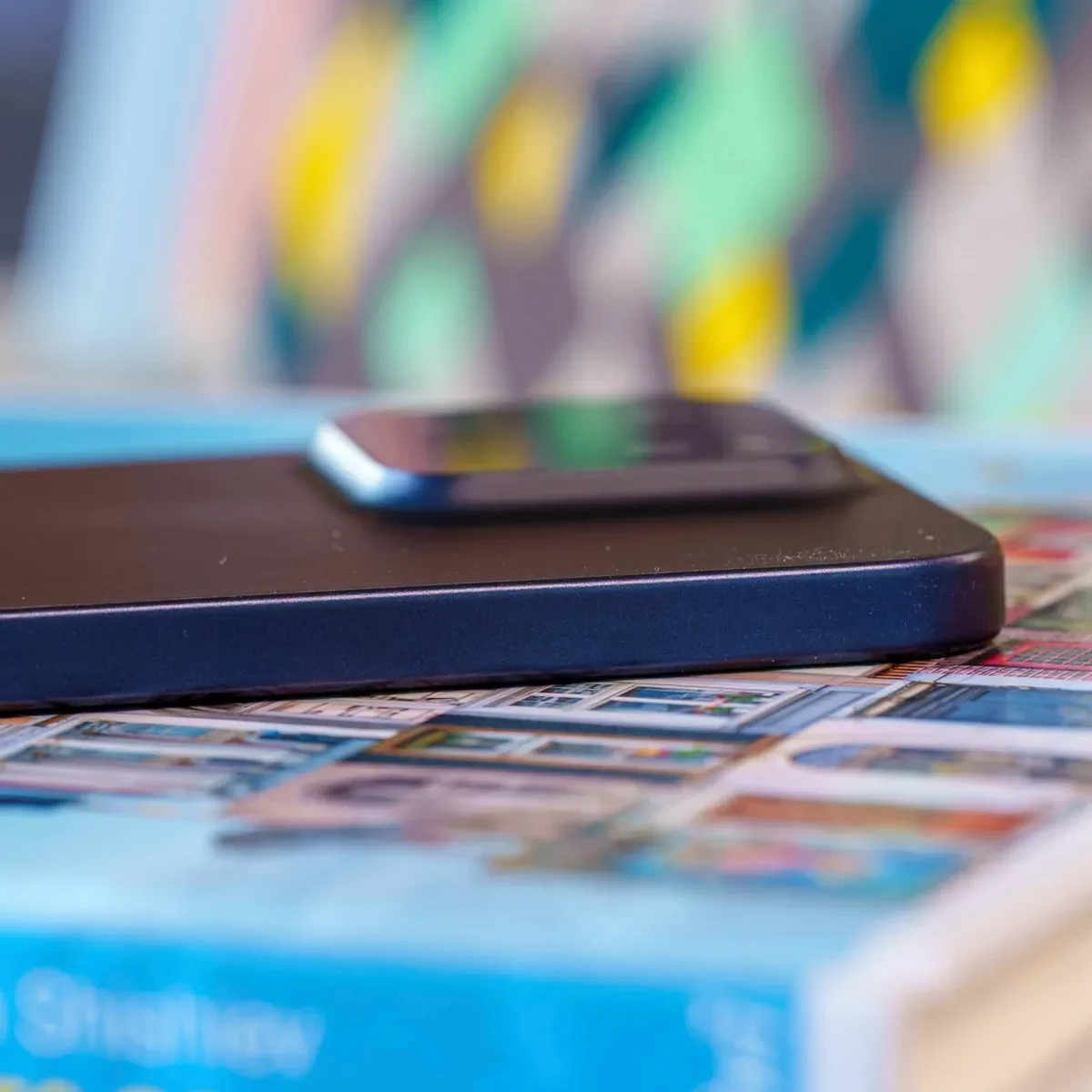
The in-hand feel is equally important. From our close-up shots, the body looks tidy and well-balanced, and the side profile appears slimmer than many large-screen phones that chase battery size and big-camera marketing at the expense of elegance. It still feels substantial, but not clumsy.
9 min read
PhonesGate coverage from PhonesGate. Published Sep 18, 2026.
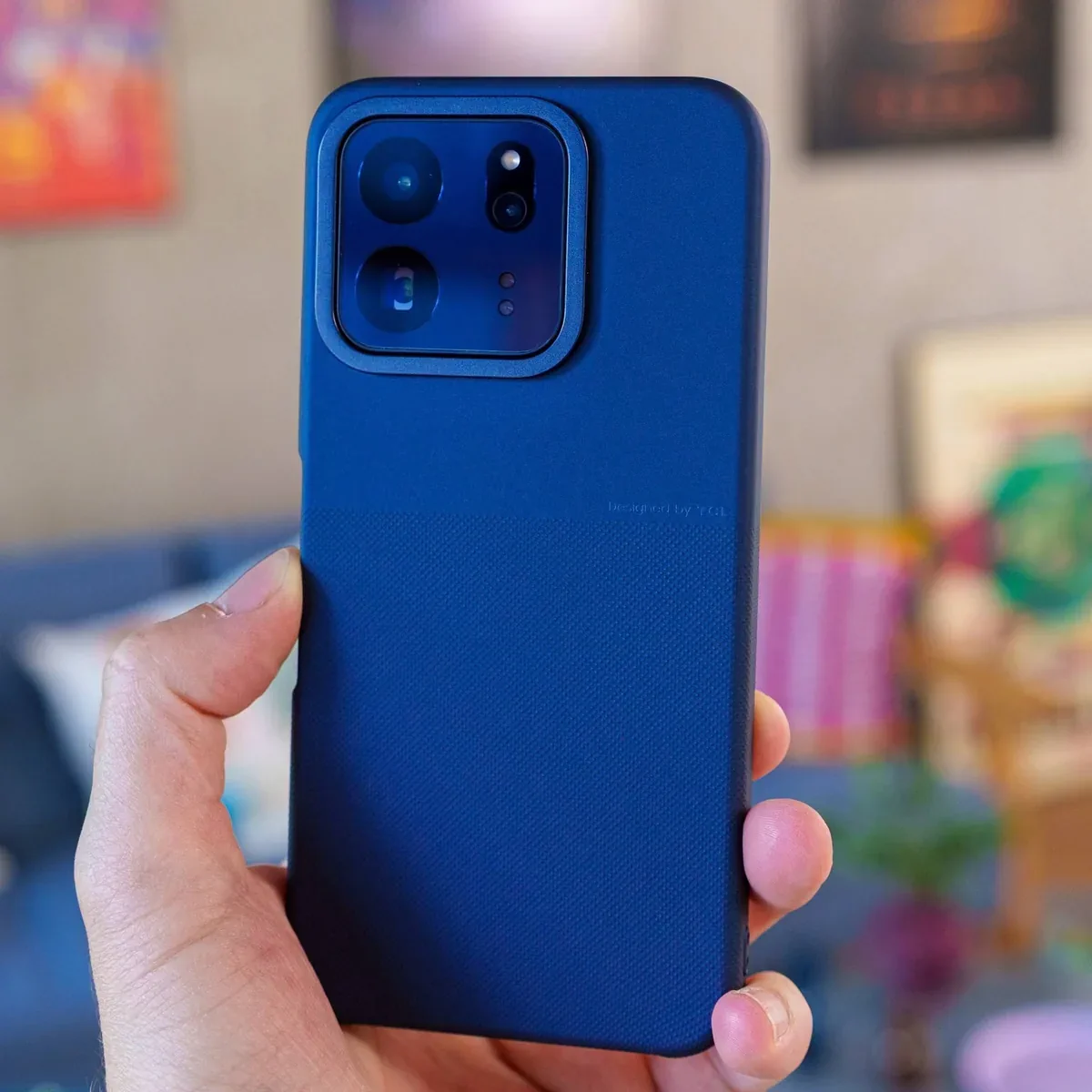
One of the easiest mistakes mid-premium phones make is looking fine from a distance but less convincing up close. The P80 Ultra does not really fall into that trap. The rear panel, the texture and the general fit-and-finish all help it present itself as a device that wants to be taken seriously.
The display is the real reason this phone matters
Most smartphones ask buyers to choose between two very different display personalities. If you want rich color, deep blacks and a modern premium look, AMOLED remains the easy answer. If you want something easier on the eyes for reading, lighter browsing sessions or long night-time use, paper-like display ideas start to become attractive, but often with visual compromises.
The TCL P80 Ultra is interesting because it tries to remove that forced choice.
That is what makes the phrase “the best of both worlds” so useful here. With an AMOLED NxtPaper panel, the goal is not simply to make an AMOLED display slightly softer. The goal is to keep the strengths that made AMOLED desirable in the first place while dialing back the fatigue that some users feel after long hours of scrolling, reading or messaging.
From the way the screen presents itself in the studio, the concept feels instantly understandable. The display looks modern and premium, but it does not give off the harsh, overly clinical character that some screens can have. Instead, it feels calmer and more comfortable, without losing that flagship-style contrast and richness that people associate with AMOLED.
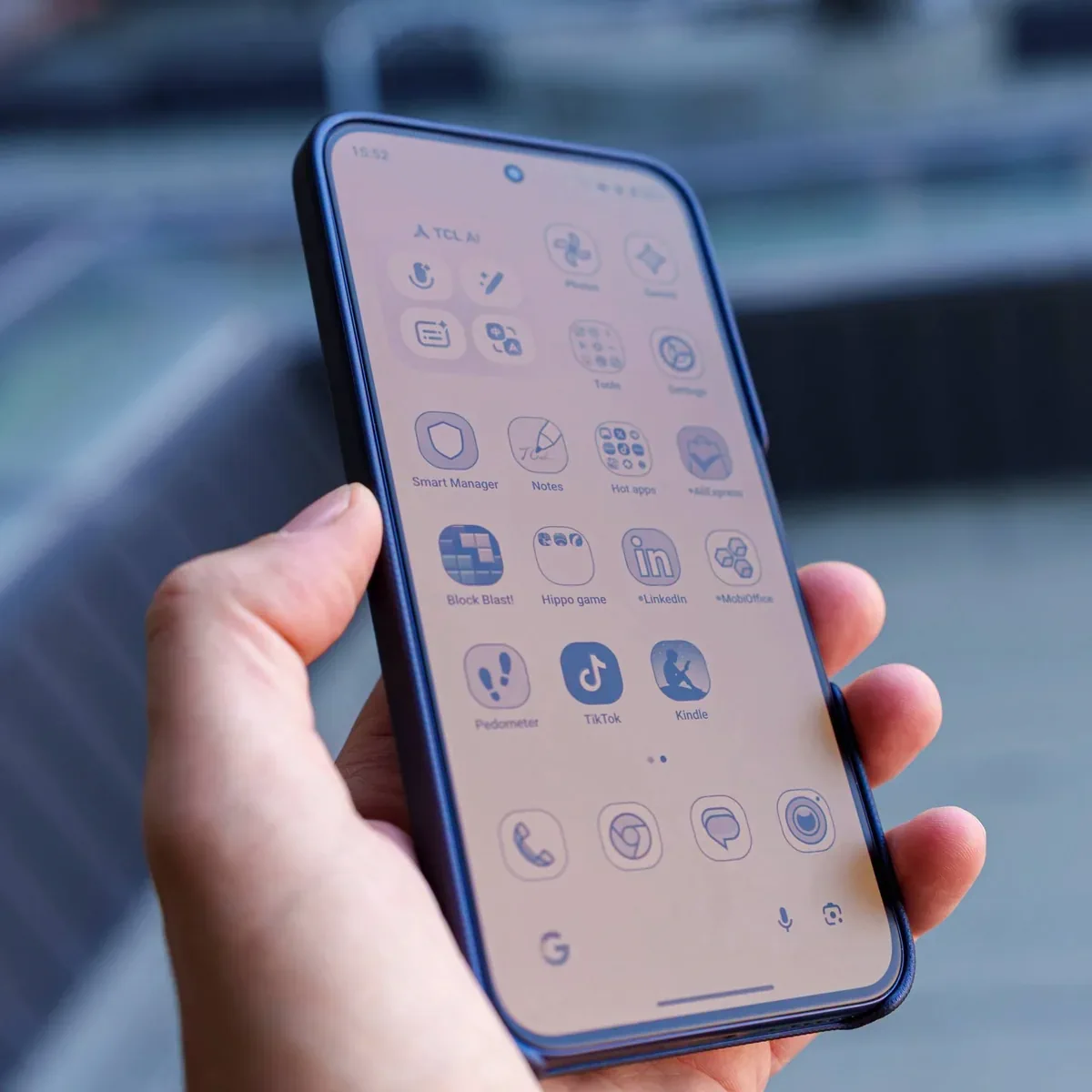
That matters because smartphones are no longer just quick-check devices. People read articles on them, answer work messages, browse social media late at night, watch video in dim rooms and spend far more time looking at their phones than they probably should. A display that can feel nicer for those longer sessions is not a niche advantage anymore. It is one of the most practical upgrades a phone can offer.
Why AMOLED NxtPaper could be a bigger deal than another spec race
The smartphone market is full of upgrades that sound impressive but feel minor in practice. Another boost in peak brightness, another small camera change, another processor jump that mostly shows up in benchmarks — these things matter, but they do not always change the everyday experience in an obvious way.
The P80 Ultra’s display idea is different. It aims to affect the one part of the phone you interact with constantly. If TCL gets this formula right, AMOLED NxtPaper could end up being more memorable in daily use than a lot of the spec-sheet battles happening elsewhere in the market.
That is why this phone feels refreshing. It is not only trying to be more powerful or more feature-packed. It is trying to feel better to use.
For readers, students and office users, that angle is especially compelling. The more time you spend reading documents, checking notes, replying to messages or browsing the web, the easier it is to appreciate display tuning that feels more relaxed without becoming dull.
What the studio photos reveal about the overall package
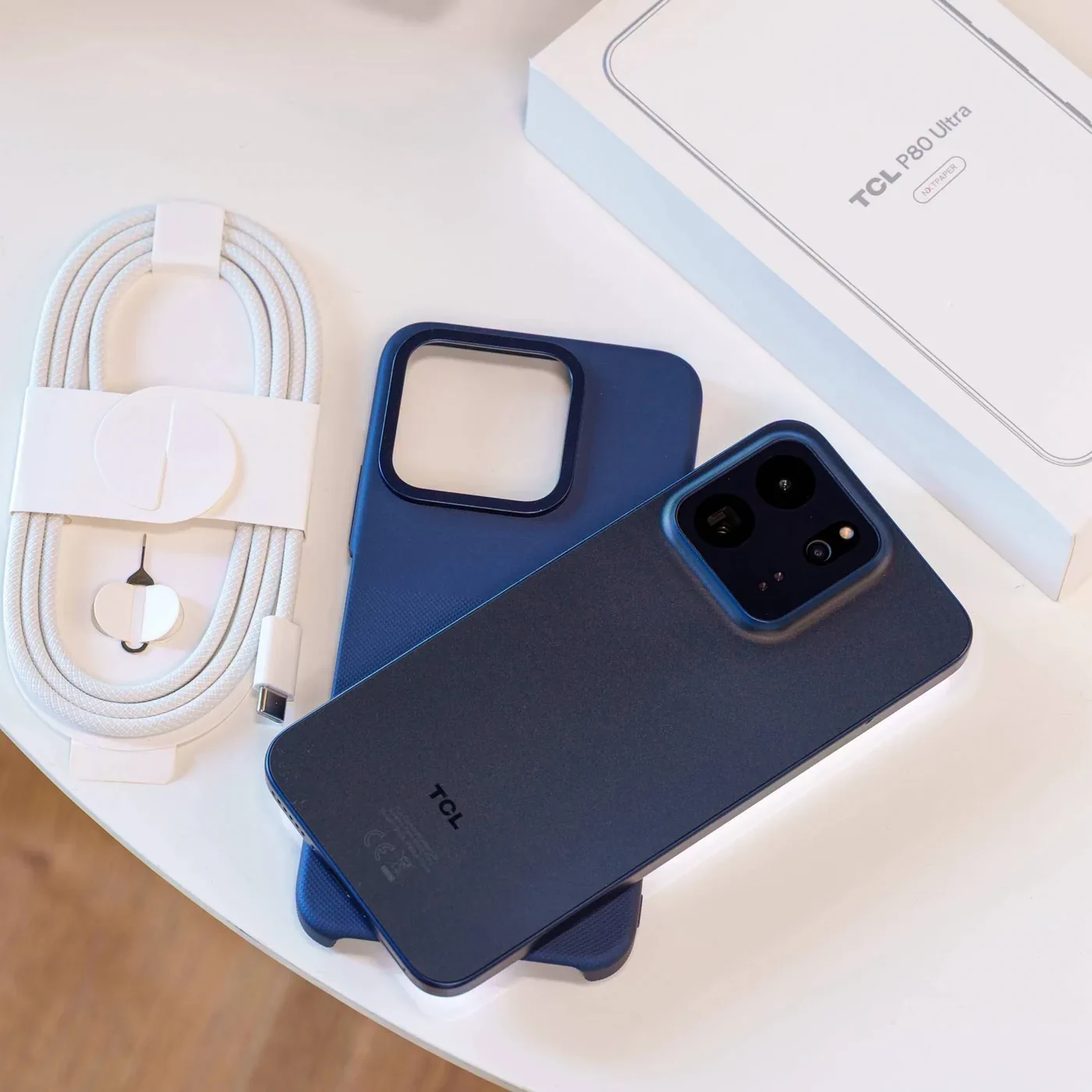
The supplied accessories and the studio shots also help tell a broader story. The unboxing image shows a straightforward package with the phone, cable and case, which is always useful from a practical point of view. The rear design close-up shows that TCL is not treating the product like a disposable budget experiment. And the side-profile macro makes it clear that the company cared about physical refinement.
Even the screenshot-like device page image is helpful, because it shows the kind of core specification balance TCL is aiming for. Large battery, modern software, respectable memory and storage positioning, and a large high-resolution display all fit the same theme: the P80 Ultra wants to be more than a single-feature concept phone.
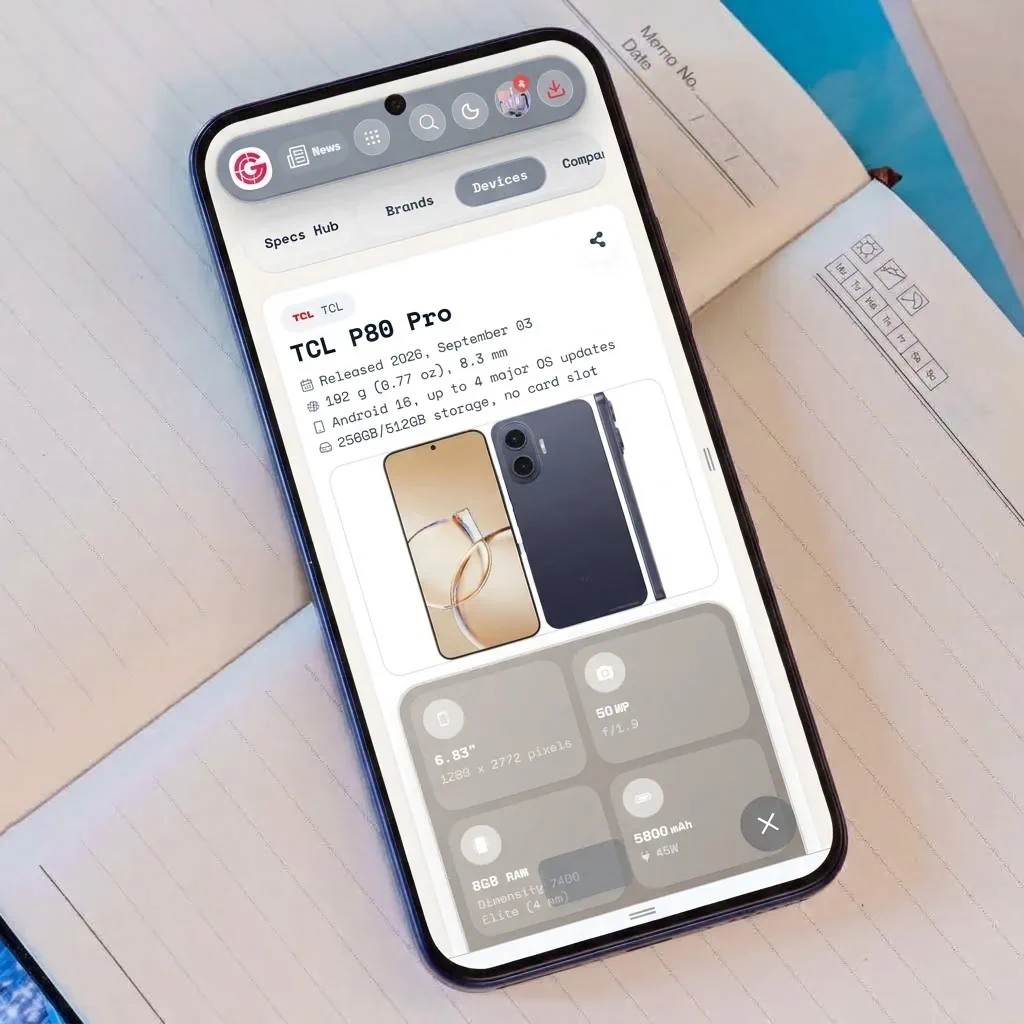
That balance matters. A phone built around an eye-comfort display idea still has to function as a complete smartphone. The P80 Ultra seems designed with that in mind. The display may be the headline, but the rest of the package is clearly trying to support a broader “pleasant daily-use flagship” identity.
Daily use appeal: where this concept could win real fans
Not every flagship feature creates emotional attachment. Fast charging is useful. Bigger batteries are useful. More megapixels can be useful. But a display that simply feels nicer every day often creates a different kind of value, because it changes the mood of the whole device.
That is where the P80 Ultra has the best chance to stand out.
If you are someone who reads long pages on your phone, keeps brightness low at night, spends hours messaging, or often feels that normal phone screens look just a bit too sharp or too intense after a while, the AMOLED NxtPaper idea will make immediate intuitive sense. You do not need a lab chart to understand it. You feel it through the way the screen behaves and the way your eyes respond over time.
At the same time, people who still want a modern premium-media phone should not feel like they are buying a compromise device. That is the whole advantage of keeping the AMOLED foundation. The display is still supposed to look good, not merely comfortable.
Camera, battery and performance still matter — but the priority feels right
It would be easy for a phone like this to over-focus on the display and forget the basics. From what we can see, TCL is at least trying to keep the supporting pieces credible. The camera hardware is substantial enough to look serious, and the overall chassis does not feel like it exists only to showcase the screen. There is also a sense that battery life and general usability are part of the intended appeal, which is exactly what a device like this needs.
Because in the end, the best display concept in the world means less if the phone feels awkward, cheap or incomplete. The P80 Ultra seems aware of that risk. The package feels more mature than a simple demo of a new panel technology.
Who is the TCL P80 Ultra really for?
The most obvious audience is anyone who is tired of choosing between visual quality and visual comfort. If you love AMOLED phones but sometimes wish they felt gentler during long reading or night-time use, this phone is speaking directly to you.
It also makes sense for people who care about a phone’s “feel” as much as its raw specification count. The P80 Ultra is not interesting only because it claims a first. It is interesting because the first appears to solve a real user problem.
That can make it attractive to readers, students, commuters, productivity-focused users and anyone who spends a lot of time with the display on. It may also appeal to buyers who simply want something different from the standard flagship formula.
PhonesGate verdict
The TCL P80 Ultra looks genuinely promising because its signature feature feels meaningful, not forced. The idea of the world’s first AMOLED NxtPaper display sounds bold, but after seeing the device more closely, it also sounds logical. There is a real market for a phone that keeps AMOLED’s visual richness while chasing a more relaxed, paper-inspired viewing experience.
Just as importantly, the rest of the device appears polished enough to support that message. The design looks clean, the overall package feels thought through, and the studio photos suggest this is more than a marketing experiment.
If TCL can deliver the experience that this display concept promises, the P80 Ultra could end up being one of the most interesting smartphones in its category — not because it wins the loudest spec war, but because it understands something more important: a phone can still stand out by simply being nicer to use every day.
All images in this article were photographed by the PhonesGate team in studio.