

Sixteen smartphones, sixteen countries, one knockout bracket. When the latest devices from around the world are forced to defend their national colours in direct elimination matches, the results expose more about the global smartphone industry than any conventional review ever could.
The premise is simple: track down a current smartphone from sixteen different countries, including several that most buyers have no idea produce phones at all, and let them fight through a proper World Cup format. Round of sixteen, quarterfinals, semifinals, final.
What emerges along the way is a map of the industry's real power structure: which countries build genuine technology, which ones rebadge someone else's, why taxes can triple a phone's price across a border, and why the camera, more than any other component, decides who survives.
Key takeaway
Sixteen smartphones from sixteen countries battle through a knockout bracket that ends with Oppo's Find X9 Ultra beating the Nothing phone in the final, and along the way exposes rebranded supplier phones, tax-inflated prices and why cameras decide everything.
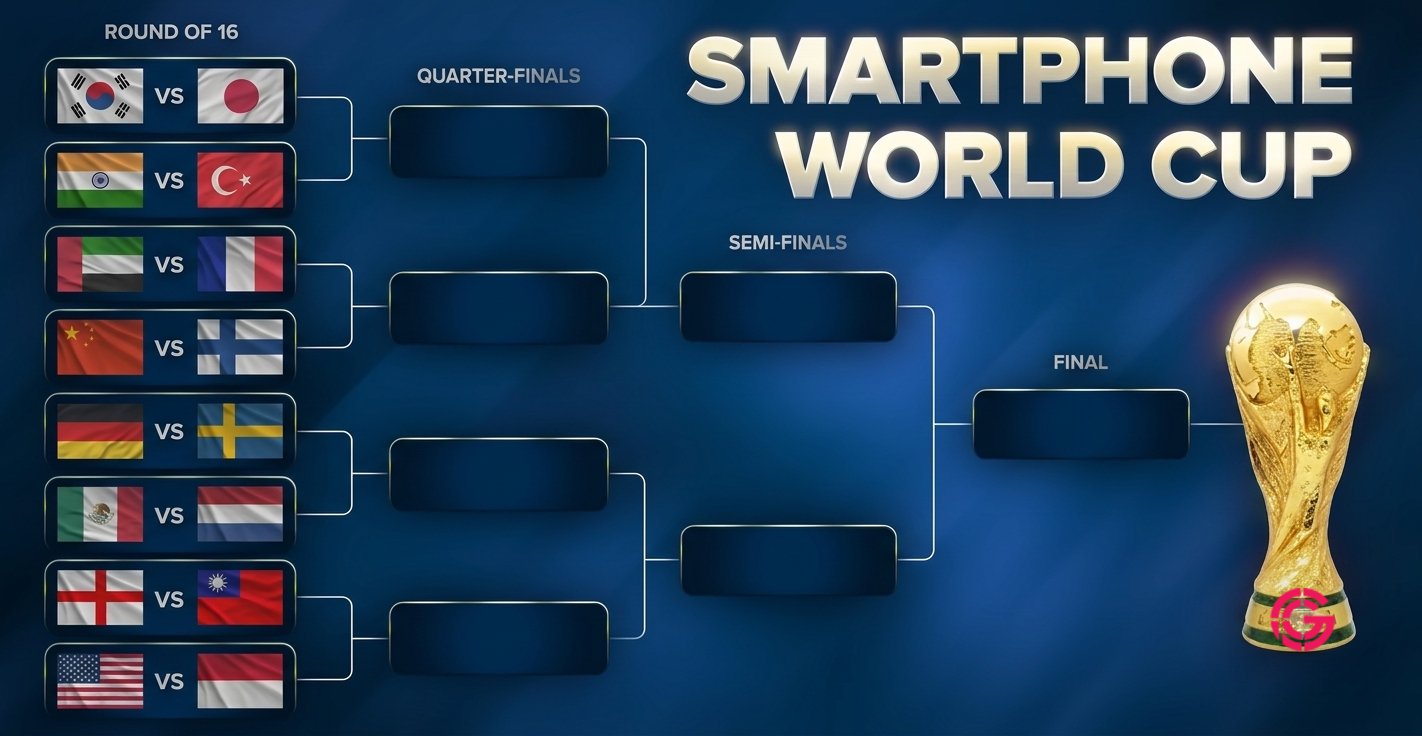
The bracket at a glance
Match Contenders Winner Round of 16 Korea (Galaxy S26 Ultra) vs Japan (Xperia 1 VIII) Korea Round of 16 India (Lava Agni 4) vs Turkey (General Mobile Fenix 2 Pro) India Round of 16 UAE (satellite phone) vs France (Crosscall) France Round of 16 China (Oppo Find X9 Ultra) vs Finland (HMD Skyline) China Round of 16 Germany (Volla Quintus) vs Sweden (Doro) Germany Round of 16 Mexico (Lanix Alpha 6) vs Netherlands (Fairphone Gen 6) Netherlands Round of 16 England (Nothing Phone) vs Taiwan (Zenfone 12 Ultra) England Round of 16 USA (Pixel 10 Pro XL) vs Indonesia (Advan) USA Quarterfinals Korea vs India; China vs France; Netherlands vs Germany; England vs USA Korea, China, Netherlands, England Semifinals Korea vs China; Netherlands vs England China, England Final China (Oppo Find X9 Ultra) vs England (Nothing Phone) China
Korea vs Japan: two philosophies, one deadlock
The opening match is the most evenly matched on paper. Samsung's Galaxy S26 Ultra and Sony's Xperia 1 VIII share the same chip and the same battery capacity, yet play completely opposite games.
12 min read
Google coverage from PhonesGATE. Published Jul 20, 2026.
Sony plays defence, protecting everything the rest of the industry abandoned: a headphone jack, a microSD card slot and genuinely excellent dual front-firing speakers. Samsung sacrificed all of that in exchange for an overwhelming software arsenal, longer update support, and an edge-to-edge display that leads the industry in several measurable ways.
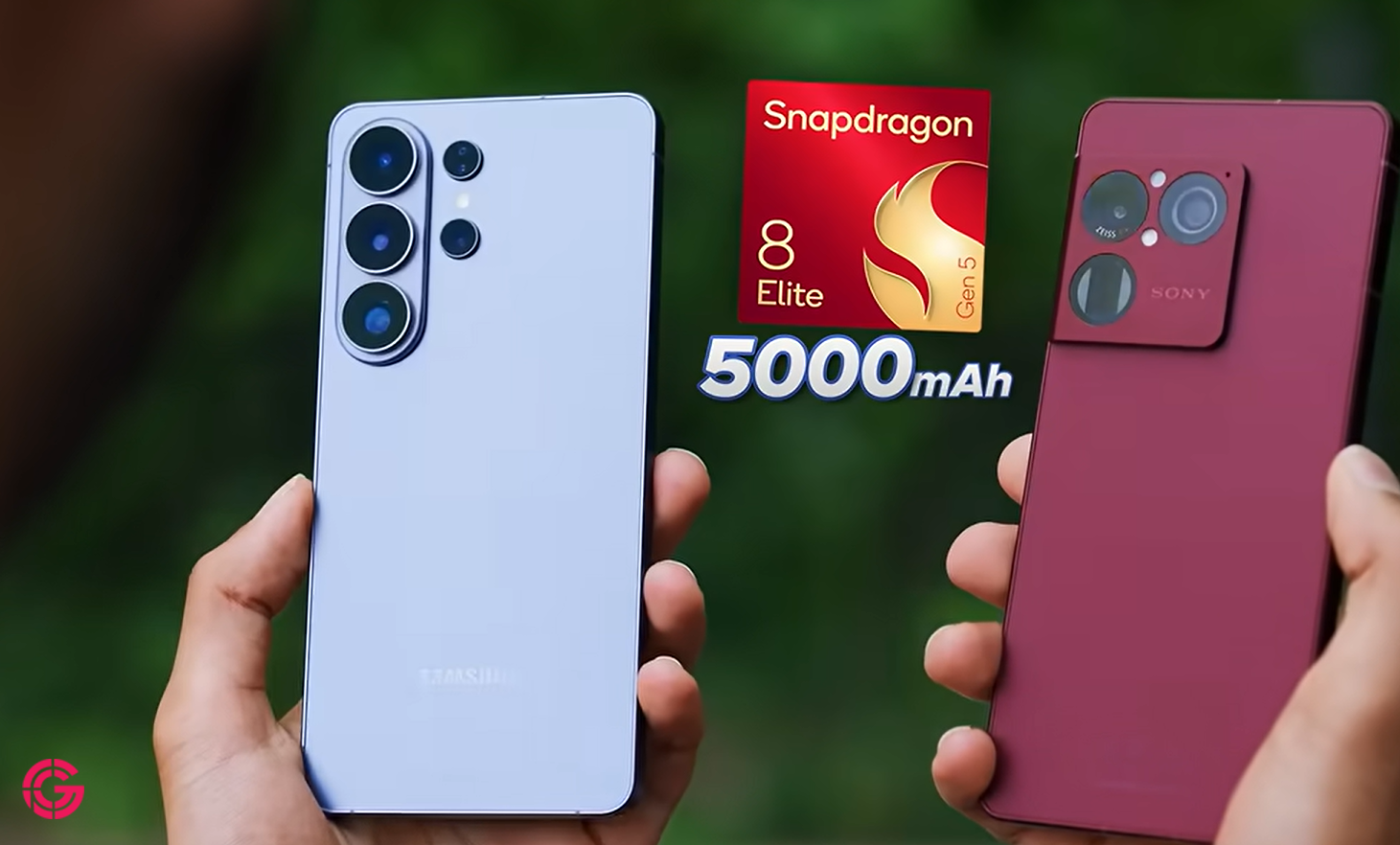
The tiebreaker is the camera. Sony's system is capable but less dependable, while Samsung's heavily refined image processing simply delivers more consistently for more people. Korea advances; Japan takes a quiet coach back to the hotel.
India vs Turkey: the same phone at three times the price
This match reveals one of the industry's open secrets. India's Lava Agni 4 and Turkey's General Mobile Fenix 2 Pro are, to an uncomfortable degree, the same phone: identical size, identical colour, identical camera bump, each with its own rebranded AI assistant that behaves suspiciously alike.
Neither country has built an end-to-end smartphone supply chain, so both brands source hardware from Chinese suppliers, tweak it lightly, and rebadge it for the home crowd. In this case, both apparently drew from the same supplier.
The difference is the price. The Turkish phone retails for roughly the equivalent of $998; the Indian one costs $316. India's brutally competitive market keeps prices honest, while Turkey layers an enormous consumer tax onto smartphones. The same forces distort flagship pricing too: an iPhone 17 Pro Max converts to just under $1,600 in India but nearly $2,900 in Turkey.
The Turkish unit does ship with more RAM, but no specification survives a threefold price gap. India advances.
UAE vs France: the battle of the specialists
The United Arab Emirates fields a satellite phone: a regular SIM device that, when its enormous antenna is extended, keeps calls, SMS and location tracking alive far beyond cellular coverage. Tested in genuinely remote terrain, it works.
France answers with Crosscall, a rugged phone from a category that is usually ugly and generic, executed here with unusual care. Two programmable action buttons, one on each side. A mounting system for tripods and bikes. A protective cover for the USB-C port, the most vulnerable point on any rugged device. A waterproof magnetic connector for data and accessories that behaves like a wired link.
The satellite trick is impressive, but the French phone is better designed, better specified, larger in battery, double the storage and cheaper. France advances comfortably.
China vs Finland: a heavyweight against a plastic spoon
Finland's HMD Skyline deserves respect for consumer-friendly ideas: a microSD slot and a pop-off back that lets the owner replace the battery or even the screen with a screwdriver. At $400 against a $1,200 flagship, it was always the underdog.
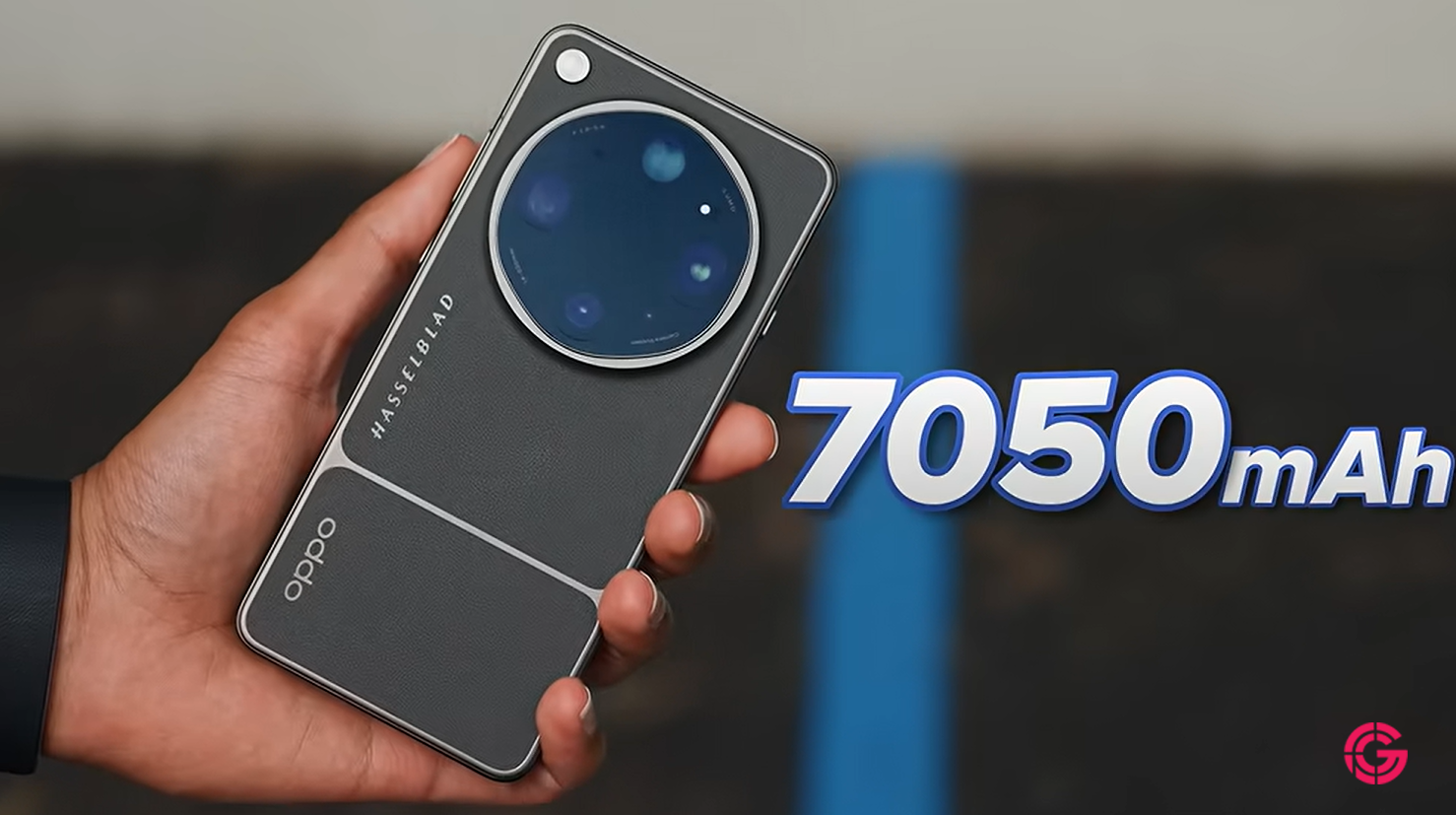
But the Oppo Find X9 Ultra is at the bleeding edge of its category: two 200-megapixel cameras, one of the largest batteries fitted to any phone at 7,050mAh, and the fastest available chip. Even judged purely within its own price class, the Skyline's camera, battery life and chipset disappoint. China advances without breaking stride.
Germany vs Sweden: privacy against accessibility
Germany's Volla Quintus is a privacy machine for people who want out of the Google ecosystem entirely: a stealthy black device whose home screen is a springboard where the user writes first and decides afterwards whether the note becomes a search or a saved thought. No accounts, no logins, and, remarkably, the ability to dual-boot into a completely Google-free Ubuntu-based operating system.
Sweden's Doro targets the opposite audience: phones designed to get older people connected. The dedicated alert button is a genuinely good idea. Unfortunately, the execution feels budget throughout: a physical home button duplicated by an on-screen one, laggy software, and interface elements clipped by screen corners the software does not account for.
Intentional design beats good intentions. Germany advances.
Mexico vs Netherlands: a no-show and a stroll
Mexico's Lanix Alpha 6 is the tournament's biggest disappointment. At $25 the expectations were modest, but the soft screen, untested-feeling software and a rear panel styled to imitate three cameras, where one is a flash and another an IR depth sensor, leave a single mediocre camera and little else.
The Netherlands' Fairphone Gen 6, merely by being competent and radically repairable, walks into the quarterfinals.
England vs Taiwan: personality against inertia
Nothing may be the most refreshing brand in the industry right now, making devices that are genuinely interesting to look at and argue about. The Asus Zenfone 12 Ultra is the opposite: an anonymous design, unremarkable software, and a display that measures worse than the Nothing phone at half the price. Its main camera hardware even overlaps with far cheaper devices, and Asus's image processing trails its competitors, context that helps explain the company's exit from the phone business.
Yes, the Nothing phone is gimmick-heavy: the glyph matrix, generated mini-widgets, a 140x digital zoom of dubious utility. Strip all of it away and a polished, rock-solid piece of hardware remains. England wins at home.
USA vs Indonesia: the global-brand lesson
Indonesia's Advan entry turns out to be another cookie-cutter device from, remarkably, the same supplier ecosystem behind India's Lava, down to an identical rebranded AI assistant. Against the Pixel 10 Pro XL and its deeply integrated Gemini features, the match becomes a demonstration of why global companies dominate: they access the best components, fund their own R&D and train their own features from scratch rather than rebadging someone else's squad. The USA advances easily.
One editorial note: iPhones were deliberately excluded from the tournament, on the logic that entering Apple would be like fielding an NFL team in a football competition.
Quarterfinals: where the underdogs meet their ceilings
Korea vs India
The Lava Agni 4 is a legitimately great affordable phone: a punchy 120Hz display, 256GB of fast storage as standard and a strong MediaTek chip for $316. Then the camera app opens. A good screen or battery can effectively be bought off the shelf; a good camera requires immense software tuning that off-the-shelf devices skip. The underdog hits the wall it was always going to hit. Korea advances.
China vs France
Crosscall's ecosystem is genuinely impressive: power banks, docks, walkie-talkies, even a station that charges ten phones at once, all built around that fast magnetic connector. But it is a perfect answer to a question few people ask, built for tradespeople and tree climbers. The Oppo is a phone almost anyone would be blown away by. China advances; France leaves to a standing ovation.
Netherlands vs Germany
Under pressure, the Fairphone shines: recycled components, offset emissions, twelve major components replaceable with a single screwdriver bit, and repairability that enables accessories like finger loops and card holders. Crucially, the eco choice no longer means sacrificial specs; the 120Hz OLED is genuinely decent, and a minimalist mode activated by a physical slider ironically feels more polished than the German phone whose whole identity is minimalism. The Volla concept remains compelling, but rough edges, including a crude camera app, cost it the match. The Netherlands advances.
England vs USA
The Pixel's software experience is world class: day-one updates, zero bloatware, features like ambient music recognition and a group-photo mode that fuses two shots so the photographer is never missing. But recommending a Pixel always requires caveats: weaker sustained performance, less gaming headroom, shorter battery life than its peers. The Nothing phone requires no caveats at its price; it punches above its weight, the Pixel does not. England knocks out the USA.
Semifinal one: Korea vs China
The dreaded heavyweight collision. Samsung brings One UI, arguably better software than ColorOS, plus the mainstream advantages money cannot fake: a vast accessory market, a mature ecosystem of watches and earbuds, and the S Pen, still the best stylus implementation in the industry.
Oppo counters with two staggering advantages: battery endurance measured in extra hours, not minutes, and a camera that wins with no contest, good enough to credibly stand in for a mirrorless camera in professional use.
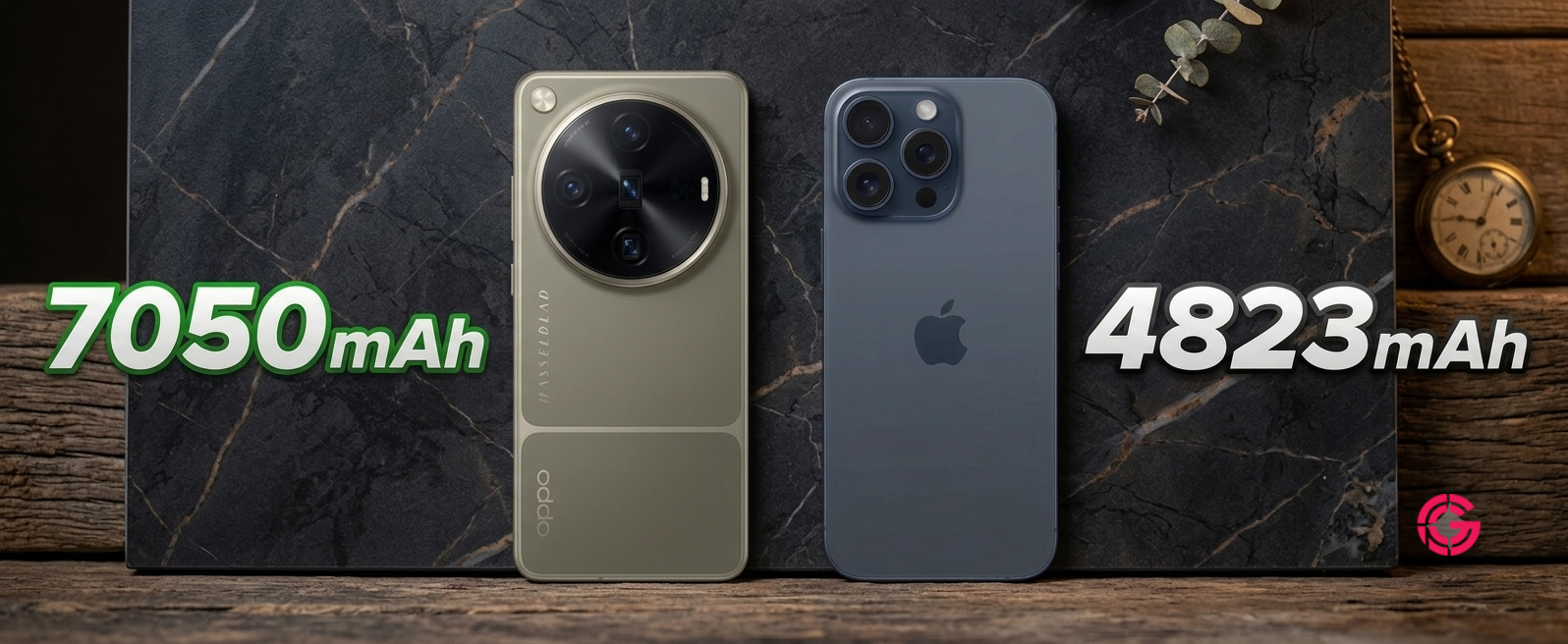
The verdict comes down to trajectory. Samsung has felt iterative for years, coasting on reputation; the Oppo feels like the more ambitious phone. China reaches the final.
Semifinal two: Netherlands vs England
Two industry outsiders who agree on standing out and disagree on how.
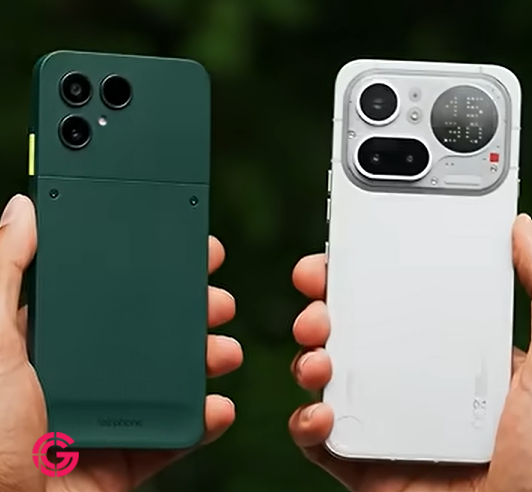
Fairphone's mission runs deep: five years of warranty against Nothing's one, at least seven years of OS upgrades against three, and a refurbished-purchase option on the main product page.
But honesty cuts both ways: neither phone's production is good for the planet, and sustainability only pays off if the owner genuinely keeps the phone for many years. The Nothing phone is simply closer to a flagship: metal body, category-leading display, meaningfully better cameras, a chipset roughly 40 percent faster, and superior speakers and haptics. For most buyers, enjoying a phone for four years and handing it down beats owning a worthier phone they will want to replace sooner. England reaches the final.
The final: Oppo Find X9 Ultra vs Nothing Phone
Area Oppo Find X9 Ultra (China) Nothing Phone (England) Positioning Ultra flagship from a giant conglomerate Overachieving mid-ranger from a London startup Cameras Dual 200MP, near mirrorless-replacement quality Good, far above its price class Battery 7,050mAh, class-leading endurance Solid for its class Identity Maximum technology, pushing the frontier Design, fun and affordability Industry role Holds other flagships accountable Creates price pressure and personality
Both finalists improve the industry in their own way. Oppo is quietly becoming the most viable alternative to Samsung and Google, expanding globally and cramming in bleeding-edge technology that forces every other flagship to answer. Nothing lacks the scale for that level of R&D, but its clear vision has championed disconnecting from technology, pressured prices downward, and given buyers a fun, edgy alternative.
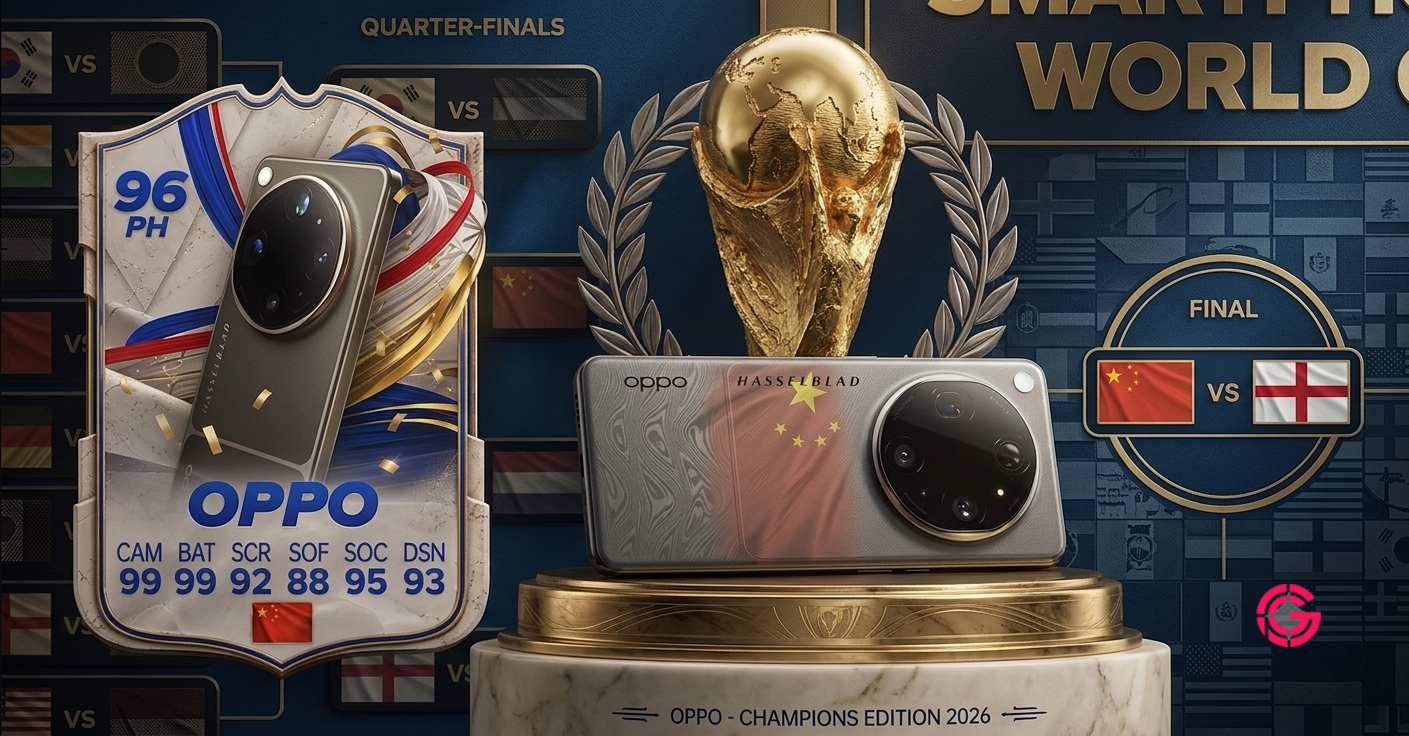
The decider: Nothing's superpower is making great technology affordable and stylish, but Oppo is pushing the entire frontier forward, taking the big swings that shape what smartphones become next. China wins the 2026 Smartphone World Cup.
What the tournament actually teaches
- Only a handful of countries build phones end to end; many national brands are lightly tweaked devices from shared Chinese suppliers, sometimes literally identical across continents.
- Taxes and market competition can move the price of the same hardware by a factor of three.
- Displays, batteries and chips can be bought; a great camera can only be tuned, which is why cameras decided nearly every close match.
- Global companies win because they design their own features, not because of the flag on the box.
- Specialists like satellite, rugged, privacy and eco phones thrive in their niches but rarely survive contact with a great all-rounder.
Frequently asked questions
Which phone won the Smartphone World Cup?
The Oppo Find X9 Ultra, representing China, defeated England's Nothing phone in the final on the strength of its cameras, battery and frontier-pushing ambition.
Why were iPhones excluded?
The tournament deliberately left Apple out, comparing its inclusion to entering an NFL team in a football competition; the focus was on how the rest of the world's devices compare.
Do all countries really make their own phones?
No. Several national brands, including entries from India, Turkey and Indonesia in this bracket, source near-identical hardware from shared Chinese suppliers and rebrand it locally.
Why did cameras decide so many matches?
Because camera quality depends on years of software tuning rather than purchasable components, it is the hardest area for smaller or rebranding-based companies to fake.
Is the Fairphone still a specs compromise?
Much less than before. The Gen 6 has a decent 120Hz OLED and respectable performance, though it still trails conventional rivals like the Nothing phone in speed, cameras and refinement.
What was the biggest surprise of the bracket?
France's Crosscall, a rugged phone executed with design-first care and a full accessory ecosystem, which eliminated the UAE satellite phone and pushed the eventual champion before falling in the quarterfinals.
PhonesGate verdict
Tournament formats are entertainment, but this one doubles as an X-ray of the smartphone world. The final standings mirror the industry's real hierarchy: Chinese flagships defining the technological frontier, a Korean giant coasting on a formidable reputation, Western outsiders competing through vision rather than scale, and a long tail of national brands whose devices are assembled from the same shared parts bin.
The champion earned it. The Oppo Find X9 Ultra represents what happens when a company with enormous resources decides to compete on ambition rather than iteration. But the tournament's most encouraging story is the runner-up: proof that a small company with a clear identity can outlast global giants, national champions and noble missions alike, all the way to the final.