

Source and context
Samsung announced a significant software update for the Galaxy XR headset that brings Android Enterprise compatibility to the Android XR platform and introduces a set of everyday usability improvements. The update, rolling out from today, also establishes a commitment to deliver regular platform and security updates for up to five years for Android XR devices starting with Galaxy XR.
What the update adds
Android Enterprise support extends the device management and security features commonly used across millions of Android devices into Samsung’s spatial-computing environment. The update includes enrollment and provisioning options aimed at large-scale deployments — such as zero-touch enrollment, QR code setup and Device Policy Controller (DPC) identifier provisioning — and allows organizations to manage apps via Managed Google Play or direct installation.
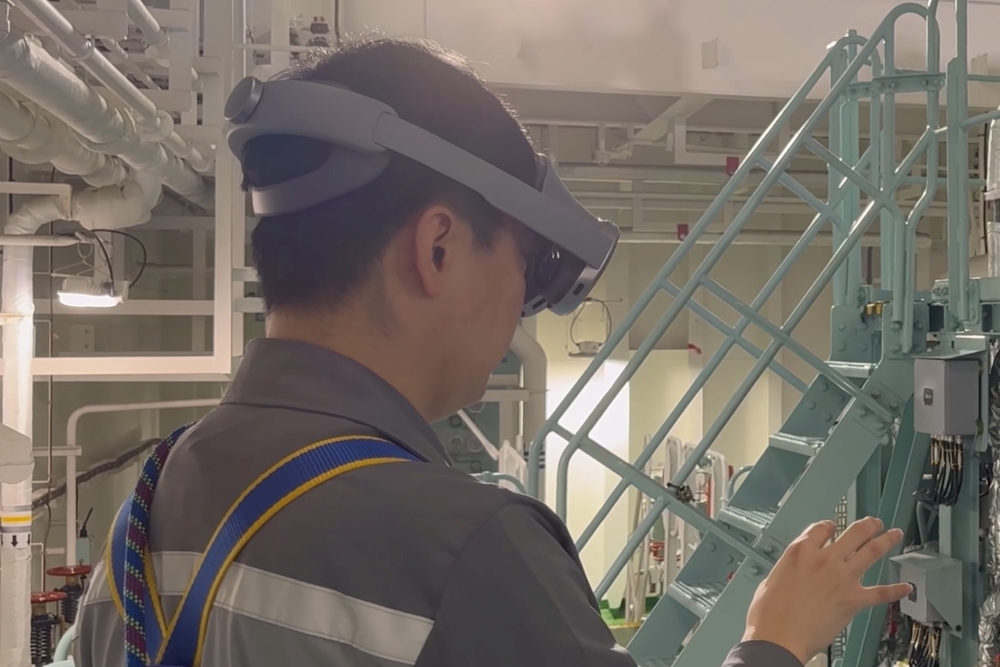
Core management capabilities are part of the update as well: administrators can apply password policies, configure network settings, set device restrictions and perform remote lock or wipe actions. Samsung says hardware-level protections are in place to help meet compliance and security requirements when handling enterprise data, and Samsung Knox is supported within the Android Enterprise framework to provide an added layer of device security.
Key takeaway
Samsung has issued a major software update for the Galaxy XR that adds Android Enterprise support, expanded accessibility and spatial features, and a five-year update commitment.
Everyday user-focused improvements
The release also introduces several user-facing enhancements. Virtual keyboard positioning can now be saved at alternate vertical positions and depths, letting users personalize input placement. Accessibility gains include single-eye tracking and pointer customization to better accommodate users with different vision or mobility needs. A new wall panel alignment guide helps line up on-screen content with the physical environment, and an Auto Spatialization feature available in Google Chrome and YouTube converts 2D photos and videos into immersive 3D views.
Why this matters
Bringing Android Enterprise to Galaxy XR reduces friction for IT departments considering XR deployments. The same management tools and enrollment flows that organizations use for phones and tablets can now be applied to spatial computing devices, simplifying device provisioning, policy enforcement and app distribution. Five years of promised updates strengthens the platform’s appeal to enterprise buyers who require longer support windows for managed hardware.
4 min read
Samsung coverage from PhonesGATE. Published Jun 15, 2026.
PhonesGATE quick analysis
This update represents a clear push to position Galaxy XR as a device for production environments, not solely consumer experimentation. The combination of standardized enterprise management, Knox security integration and multiple enrollment options addresses many of the operational concerns that can slow XR pilots from scaling. On the consumer side, practical accessibility and spatial features show attention to real-world usage rather than headline specs alone.
However, software and management tooling are only part of the equation for enterprise XR adoption; success also depends on partner ecosystems, vertical-specific apps, and total cost of ownership. The new capabilities reduce technical barriers, but organizations will still need to validate workflows and content for immersive formats before committing to broad rollouts.
What this means for buyers
IT teams evaluating XR hardware should view Galaxy XR’s Android Enterprise compatibility and five-year update commitment as meaningful moves toward deployability. Expect simpler mass provisioning via zero-touch and QR setup, familiar app distribution through Managed Google Play, and the ability to enforce security policies and remotely manage devices in the field. For buyers focused on accessibility and ease of use, the new single-eye tracking, pointer customization, keyboard positioning and wall alignment guidance will reduce setup time and improve comfort for a wider range of users.
For consumers or small organizations, the everyday enhancements improve day-to-day interactions with spatial content — for example, Auto Spatialization in Chrome and YouTube makes consuming legacy 2D media feel more immersive without requiring new capture workflows. Larger customers should still test the platform with their apps and content to confirm performance and integration with existing IT systems.
Related device context
This update is specific to the Galaxy XR platform. Buyers already considering other XR headsets should compare management and security features — such as enterprise enrollment methods and platform update commitments — when assessing devices for corporate use. Features like single-eye tracking and pointer customization may be differentiators for accessibility-focused deployments, while Auto Spatialization highlights differing approaches vendors take to converting traditional media for immersive viewing.
Availability
Samsung says the software update for Galaxy XR will begin rolling out to users starting today. Additional details and technical guidance are available from Samsung’s product pages and support documentation.
Sources and methodology
This article is based on reporting from Samsung Global Newsroom, with PhonesGATE editorial context and buyer-focused analysis.