

The Samsung Galaxy A57 is one of those phones that makes immediate sense the moment you hold it. It looks cleaner and more premium than many mid-range rivals, the display is exactly the kind of bright and smooth AMOLED panel most buyers want, and Samsung still brings one of the strongest long-term software promises in the segment. The real question is not whether the phone is good. The real question is whether it offers enough value for the money Samsung is asking.
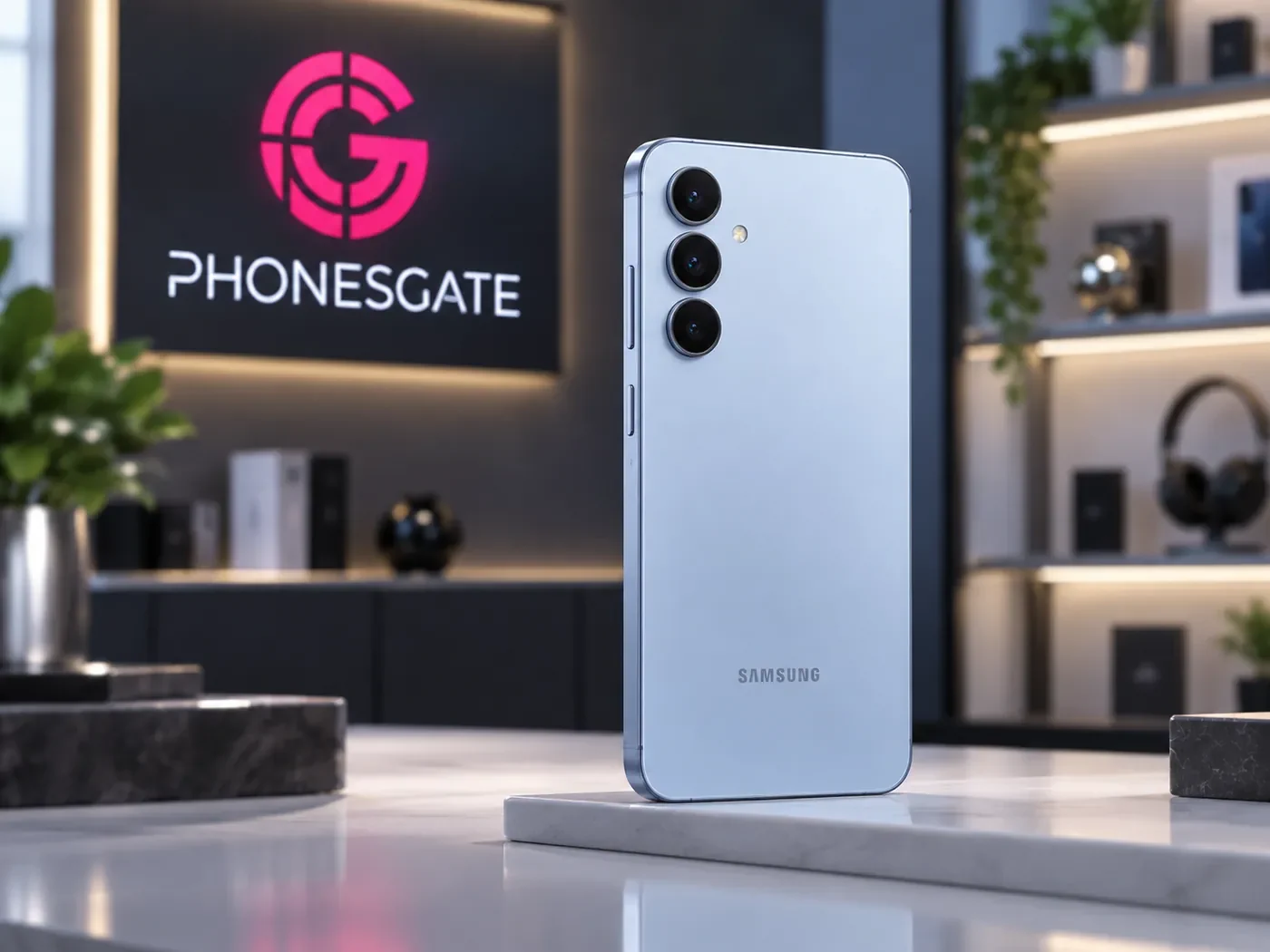
This is a research-based review, not a hands-on lab review. PhonesGate has not physically tested this unit. Instead, this article focuses on the Galaxy A57 as a product: what stands out, where it looks strong on paper, and why it matters for buyers choosing between premium mid-range phones. For technical details, readers can also visit the PhonesGate Samsung Galaxy A57 device page.
Design: this is one of Samsung’s most polished A-series phones
The first strength of the Galaxy A57 is simple: it looks expensive. Samsung has clearly pushed the A-series closer to the company’s higher-end visual language. The phone has a slim, modern silhouette, clean rear-camera styling and a finish that feels more refined than older Galaxy A models.
Key takeaway
Samsung Galaxy A57 stands out with a premium design, a strong AMOLED display and the long-term software experience many buyers expect from Samsung. Its biggest question is value: the phone looks polished and dependable, but buyers focused on pure hardware may find tougher competition in the same price bracket.
That matters because design quality often shapes the first impression more than raw benchmarks do. For buyers who keep a phone for years, a device that still feels premium in hand after six months can be more important than a few extra points in a performance chart.

Samsung also benefits from familiarity. The Galaxy A57 does not try too hard to be flashy. Instead, it feels like the safe choice for someone who wants a modern Samsung look without moving into Galaxy S pricing.
7 min read
Samsung coverage from PhonesGate. Published Sep 17, 2026.
Display: one of the easiest reasons to recommend it
Samsung almost never misses the display part of the smartphone equation, and the Galaxy A57 continues that pattern. A large 120Hz AMOLED screen instantly gives the phone a more premium feel in daily use. Scrolling looks smooth, colors are vivid, and the screen should be easy to enjoy for video, browsing and social media.
This is also one of the most important advantages in the wider mid-range market. Buyers notice a good display every single day. A smoother panel and strong brightness levels can improve the experience far more obviously than benchmark gains that are only visible in a comparison table.
Even without treating it like a flagship panel, the A57’s screen is the kind of feature that makes the phone easy to recommend to mainstream users.
Performance: good enough for most people, but not the reason to buy it
Where the Galaxy A57 becomes more nuanced is performance. For normal use, it should feel more than capable. Messaging, multitasking, streaming, navigation and casual photography are all comfortably within the kind of workload Samsung expects this phone to handle.
But the A57 is not the phone you buy because you want the most raw speed for your money. In this category, Samsung is usually selling polish, optimization and long-term support rather than pure spec aggression.
That is not necessarily a bad thing. Most buyers do not need extreme power. Still, it is worth understanding that the Galaxy A57’s strongest case is balance, not performance leadership.
Software: this is where Samsung keeps winning
Software remains one of Samsung’s biggest advantages in the mid-range segment. One UI continues to be familiar, polished and easy for mainstream users to live with. The broader Samsung ecosystem also helps, especially for people already using Galaxy Buds, Galaxy Watch devices or other Samsung hardware.
Long-term software support matters even more. When buyers spend serious money on a non-flagship phone, update longevity becomes a major part of the value story. A phone that stays secure and feels current for years is easier to justify than a faster phone that ages out too quickly.
This is one of the main reasons the Galaxy A57 remains attractive even in a crowded market. Samsung has built a reputation for consistency, and that matters.

Camera: reliable, but not obviously class-leading
The Galaxy A57’s camera system should be viewed in the right way. This is not a camera monster designed to destroy every rival. It is a Samsung mid-range camera setup aimed at dependable, everyday results.
That means buyers can reasonably expect the phone to perform best in the situations that matter most to normal users: quick daylight photos, social sharing, portraits, casual indoor scenes and general point-and-shoot convenience.
The likely trade-off is that Samsung still protects its higher-end models by keeping certain camera experiences out of reach. If optical zoom or class-leading low-light photography is your main priority, there are stronger specialist options elsewhere. But if you want predictability and ease of use, the A57 remains appealing.
Battery life and charging: solid, practical and easy to live with
Battery life is another area where Samsung generally focuses on reliability over headline exaggeration. For most users, the Galaxy A57 should comfortably cover a normal day of mixed use. That matters because the A57 is clearly designed as a safe daily driver rather than a niche enthusiast device.
The more important question is not whether the battery is revolutionary, but whether it fits the phone’s personality. In this case, it does. A polished daily-use phone needs dependable endurance, and the A57 looks like the kind of phone built around that idea.
Charging is also part of the equation. Faster top-ups make a mid-range device easier to recommend, especially for people who are out all day and do not want battery management to become part of their routine.
Where the value debate begins
The Galaxy A57 starts to become more complicated when price enters the conversation. Samsung is selling refinement, but the mid-range market is increasingly full of aggressive alternatives that offer more battery, more raw performance or a more adventurous camera story for similar money.
That means the A57 has to justify itself differently. It does so through trust, software support, design quality and the feeling of a product that is unlikely to frustrate mainstream users.
For some buyers, that is absolutely enough. For others, especially people who compare specifications closely, the phone may feel a little too safe for its price bracket.

Who should buy the Galaxy A57?
The clearest buyer is someone who wants a polished phone from a familiar brand and does not want to gamble on a more experimental competitor. It is also a strong fit for users who care about display quality, update support and a premium look more than absolute benchmark numbers.
If you are already invested in the Samsung ecosystem, the A57 becomes even easier to understand. It slots naturally into the larger Galaxy experience.
Who should skip it?
Buyers who want maximum raw performance per dollar, the boldest camera hardware or the biggest possible battery advantage may want to compare more aggressively before deciding. The A57 is a balanced phone, but balance sometimes means giving up the eye-catching extremes that spec-focused buyers look for.
PhonesGate verdict
The Samsung Galaxy A57 looks like a very good phone, but its biggest challenge is not quality — it is value positioning.
Samsung has once again built a device that should be easy to live with: a strong display, polished design, trusted software, familiar ecosystem benefits and a mainstream-friendly camera experience. For many buyers, those strengths are more important than chasing the most aggressive hardware on paper.
At the same time, the market is no longer short on capable rivals. That is why the Galaxy A57 feels less like a pure spec winner and more like a comfort-choice premium mid-ranger. If you want the Samsung experience and you care about long-term usability, it makes sense. If you want the maximum amount of hardware for the money, you may find stronger value elsewhere.