

Mid-range phones used to be defined by compromise. Smaller batteries, slower charging, weaker displays and simplified durability features were accepted because the price was lower. The REDMI Note 17 Pro Max 5G turns that formula upside down. Its headline specification is a huge 10,000mAh silicon-carbon battery, but the battery is only part of the story.
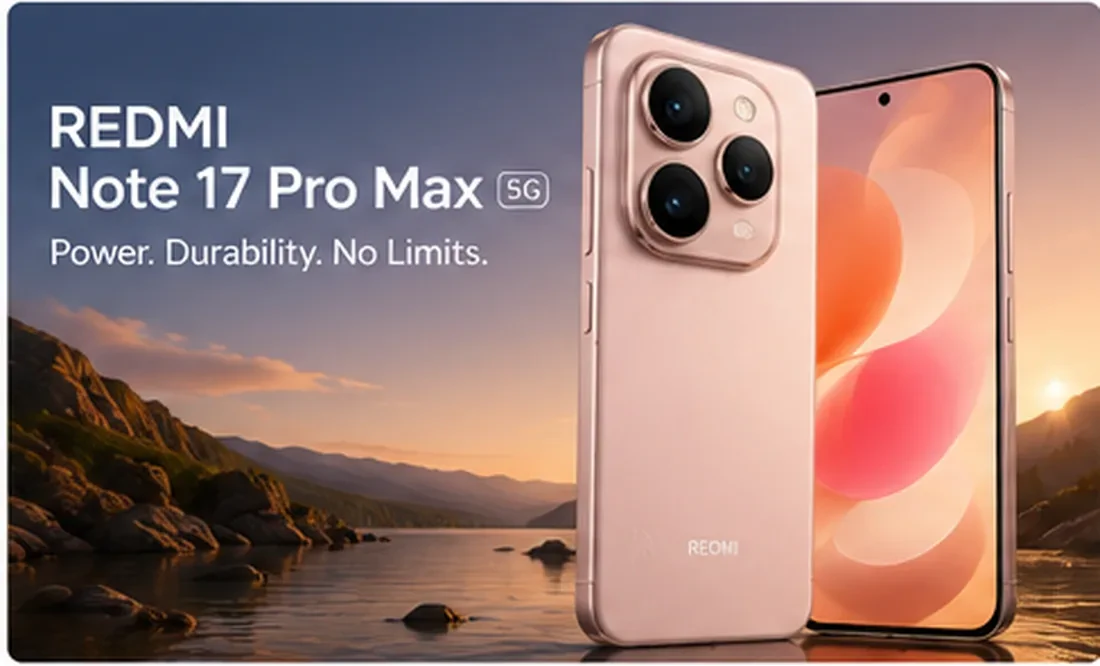
Xiaomi has also given the phone 100W HyperCharge, up to 27W wired reverse charging, IP66/IP68/IP69/IP69K protection, a certified 2-meter water-resistance test lasting 72 hours, SGS-certified 3-meter drop resistance, Gorilla Glass Victus 2 and a dedicated Underwater Mode for the camera.
That combination is unusual because it attacks several everyday smartphone problems at once: battery anxiety, charging downtime, accidental drops and water exposure. The interesting question is no longer whether this phone has impressive specifications. It is whether this type of hardware package is about to change what buyers expect from the entire mid-range segment.
Key takeaway
REDMI Note 17 Pro Max 5G pairs Xiaomi’s biggest-ever 10,000mAh smartphone battery with 100W charging, IP69K protection, 2-meter/72-hour water certification and SGS-certified 3-meter drop resistance.
10,000mAh changes the battery conversation completely
The REDMI Note 17 Pro Max uses a 10,000mAh silicon-carbon battery with 16% silicon content, according to Xiaomi. Silicon-carbon chemistry is important because it allows manufacturers to increase energy density without simply making the battery physically enormous.
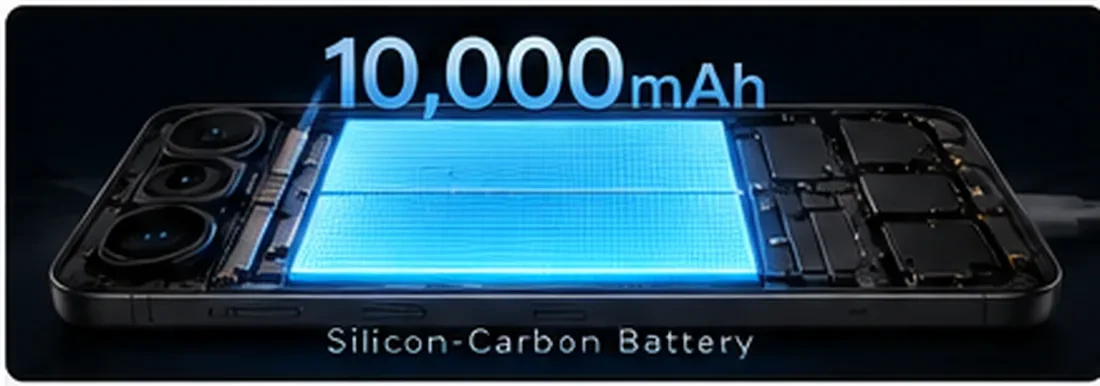
Xiaomi claims up to three days of typical use, 40 hours of video playback, 24 hours of navigation, 21 hours of gaming and 15 hours of video recording. These are Xiaomi Internal Labs figures, not PhonesGate battery-test results. Real endurance will vary with brightness, network conditions, software version, temperature and usage pattern.
7 min read
Xiaomi coverage from PhonesGate. Published Sep 3, 2026.
Even with that qualification, the sheer capacity matters. It gives the phone enormous headroom for navigation, hotspot use, travel, gaming or long periods away from a charger. It also changes the way battery-saving behavior feels: users can spend less time protecting the last 20% and more time simply using the device.
100W charging makes the giant battery practical
A 10,000mAh battery would be much less attractive if it needed several hours to recharge. Xiaomi therefore pairs it with 100W HyperCharge. The company says a 20-minute charge can provide enough energy for a full day of use under its internal scenario, while 10 minutes can provide up to seven hours of video playback.
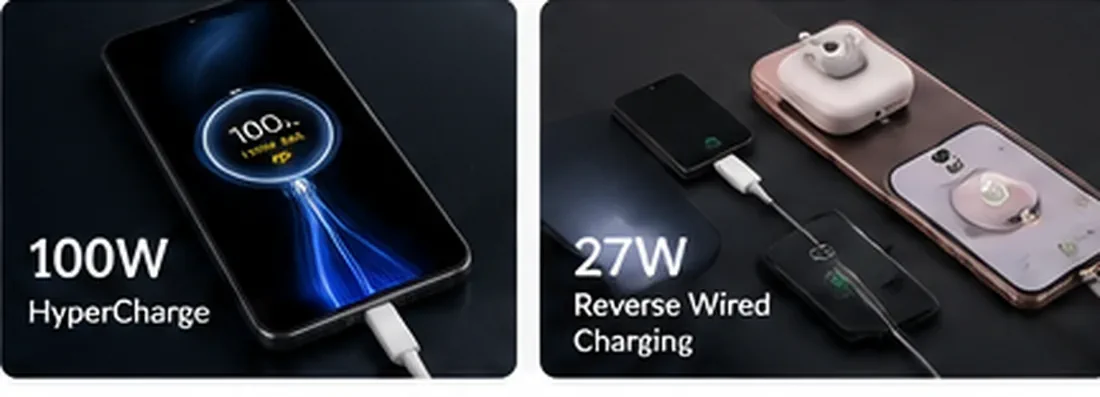
The phone can also act as a small power bank through 27W wired reverse charging. With 10,000mAh available, that feature becomes far more useful than it is on a conventional 5,000mAh device.
Battery longevity may matter as much as battery size
Xiaomi says the battery is managed by its Surge G2 battery-management chipset. The company lists TÜV SÜD 5-star battery certification and says the cell can retain at least 80% capacity after 1,600 full cycles under the relevant methodology. Xiaomi translates this into more than six years of theoretical use based on a simulated charging pattern.
That is not a guarantee that every battery will behave identically for six years, but it is the right metric to watch. A huge battery is less impressive if rapid charging causes it to age too quickly.
IP69K is not normal mid-range durability
The most surprising feature may be the durability package. Xiaomi lists IP66, IP68, IP69 and IP69K protection. The Note 17 Pro Max has also passed a TÜV SÜD test involving static freshwater at a depth of up to 2 meters for as long as 72 hours.
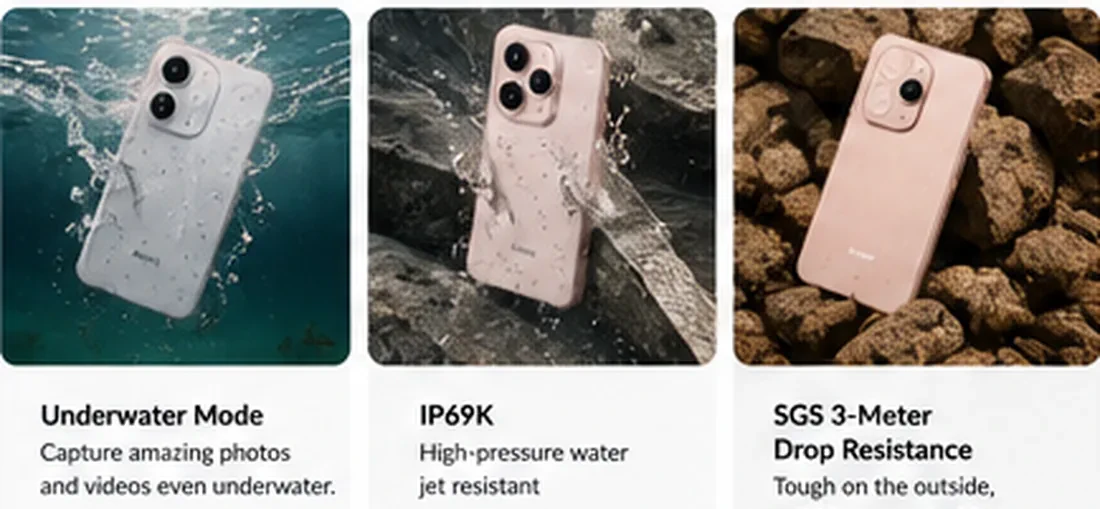
Water resistance is still tested under controlled laboratory conditions and can deteriorate through wear, physical damage or repair. Xiaomi explicitly warns users not to treat the phone as a professional waterproof device, and damage outside the stated conditions may not be covered by warranty.
The 3-meter drop certification is just as impressive
SGS has certified the phone to withstand drops from heights of up to 3 meters onto smooth granite under standardized test conditions. Xiaomi also uses Corning Gorilla Glass Victus 2 and says the internal structure is engineered to absorb impact.
No smartphone becomes indestructible because of one laboratory result. Impact angle and surface shape matter enormously. But it is significant that Xiaomi is treating structural durability as a core product feature instead of a footnote.
Underwater Mode is useful — within strict limits
The Note 17 Pro Max includes a dedicated Underwater Mode for photos and video in static freshwater. When the mode is exited, the speaker can use vibration to help remove water from its cavity.
Xiaomi limits underwater use to static freshwater, a maximum depth of 2 meters and up to 30 minutes. It advises against seawater, pool water, hot water, professional diving or high-pressure aquatic use without a suitable case. Underwater Mode does not increase the device’s formal water-resistance rating.
The display does not look like a battery-first compromise
The phone has a 6.83-inch 1.5K CrystalRes AMOLED panel with a maximum 120Hz refresh rate, 12-bit color depth and DCI-P3 wide color gamut.

Xiaomi lists up to 3,500 nits peak brightness, 2,000 nits HBM, 3840Hz PWM dimming plus DC dimming, and up to 3200Hz instantaneous touch sampling in Game Turbo Mode. Those numbers suggest Xiaomi did not sacrifice the screen to make room in the budget for the battery and ruggedization.
Snapdragon 6 Gen 5 shows where Xiaomi made the compromise
The processor is Qualcomm’s Snapdragon 6 Gen 5, built on a 4nm process. This is where the positioning becomes clear: Xiaomi has spent heavily on battery, charging, durability and display, while using a mid-range chipset rather than a flagship SoC.
For social apps, streaming, navigation and normal gaming, that trade-off should make sense. Buyers chasing top-end emulation, maximum graphics settings or flagship video-processing performance may want something faster.
The camera system is practical rather than extravagant
The Malaysian launch specification lists a 50MP f/1.5 main camera with OIS, an 8MP ultra-wide and a 32MP front camera. The main camera supports up to 4K video at 30fps. There is no dedicated telephoto, which is another clear sign that the phone prioritizes endurance and durability over flagship-style camera complexity.
Cloud Blush gives the phone some personality
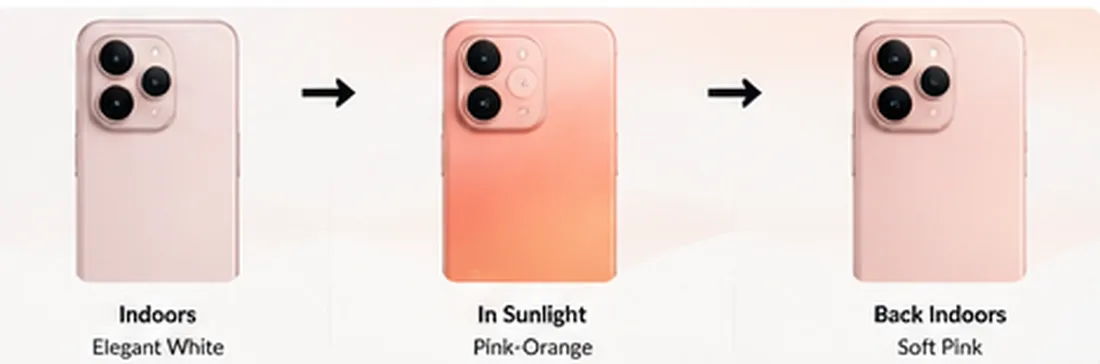
The Cloud Blush edition uses a photochromic rear panel. Indoors it appears closer to cloud white, while direct sunlight shifts the finish toward a warm pink-orange tone.
Malaysia pricing gives an early idea of positioning
In Malaysia, pricing is RM1,999 for 8GB + 256GB and RM2,299 for 8GB + 512GB, with lower early-bird launch prices. Regional pricing and configurations can vary, so those figures should not be treated as universal global MSRP.
PhonesGate take
The 10,000mAh battery gets the headline, but durability may be the reason the REDMI Note 17 Pro Max matters. Xiaomi has created a phone that targets the things users often complain about after six months of ownership: battery degradation, accidental drops, water exposure and charging inconvenience.
There are obvious compromises. Snapdragon 6 Gen 5 is not a flagship processor and the camera system is relatively simple. But those choices may be exactly why Xiaomi can offer 10,000mAh, 100W charging, IP69K and 3-meter drop certification in this segment.
If silicon-carbon batteries continue spreading through mainstream phones, 7,000mAh may soon stop looking large. More importantly, the Note 17 Pro Max raises a new question for every competing mid-range phone: if Xiaomi can offer this much battery and this much protection, how long can 5,000mAh and basic IP ratings continue to look acceptable?
Sources
Image note: visuals are original PhonesGate editorial illustrations inspired by officially published REDMI Note 17 Pro Max design and features. They are not official Xiaomi press photographs or PhonesGate laboratory-test images.