

The POCO F8 Pro is the kind of phone that forces an uncomfortable question onto the premium smartphone market: how much flagship do you actually need? On paper, this device brings together many of the things buyers usually associate with much more expensive phones. It has Qualcomm’s Snapdragon 8 Elite platform, a 6.59-inch 120Hz AMOLED display, a 6,210mAh battery, 100W charging, a 50MP main camera with OIS, a 50MP telephoto lens and IP68 protection.
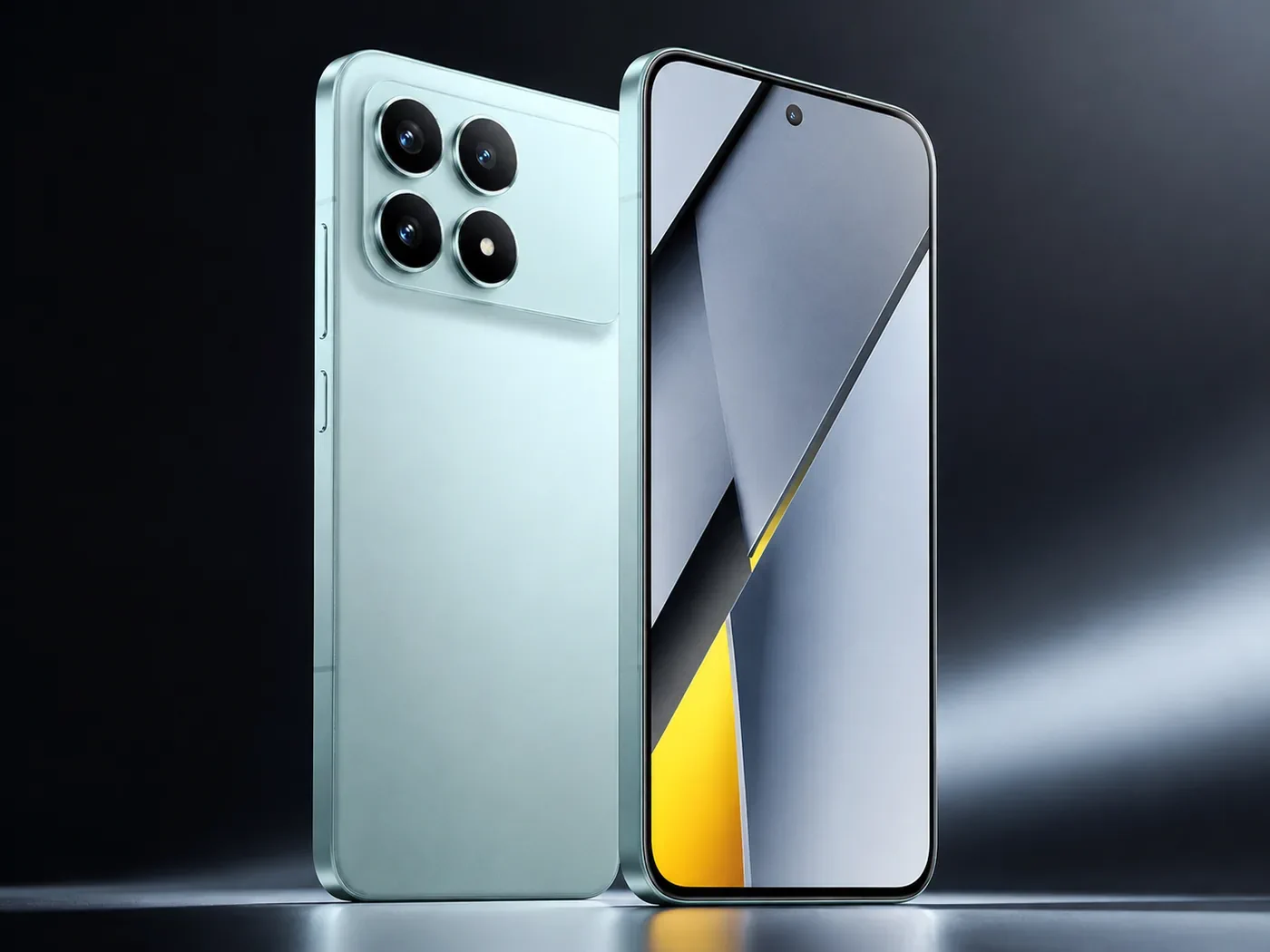
That hardware combination is exactly why the F-series remains important. POCO has built its reputation on performance-heavy phones that undercut mainstream flagships, and the F8 Pro continues that philosophy with unusually strong value. The more interesting question is whether the phone merely looks good on a specification sheet or actually makes expensive alternatives harder to recommend.
Important note: this is a PhonesGate editorial review based on the official POCO product specifications, publicly available feature information and the device’s competitive position in the market. It is not presented as a long-term in-house hands-on test, and real-world camera tuning, thermal behavior and software polish may vary by region and updates.
Key takeaway
POCO F8 Pro combines Snapdragon 8 Elite power, a bright 120Hz AMOLED display, a 6,210mAh battery and 100W charging at a much lower price than many flagships. The catch is that some premium extras are still missing.
Design: clean, mature and more premium than people expect
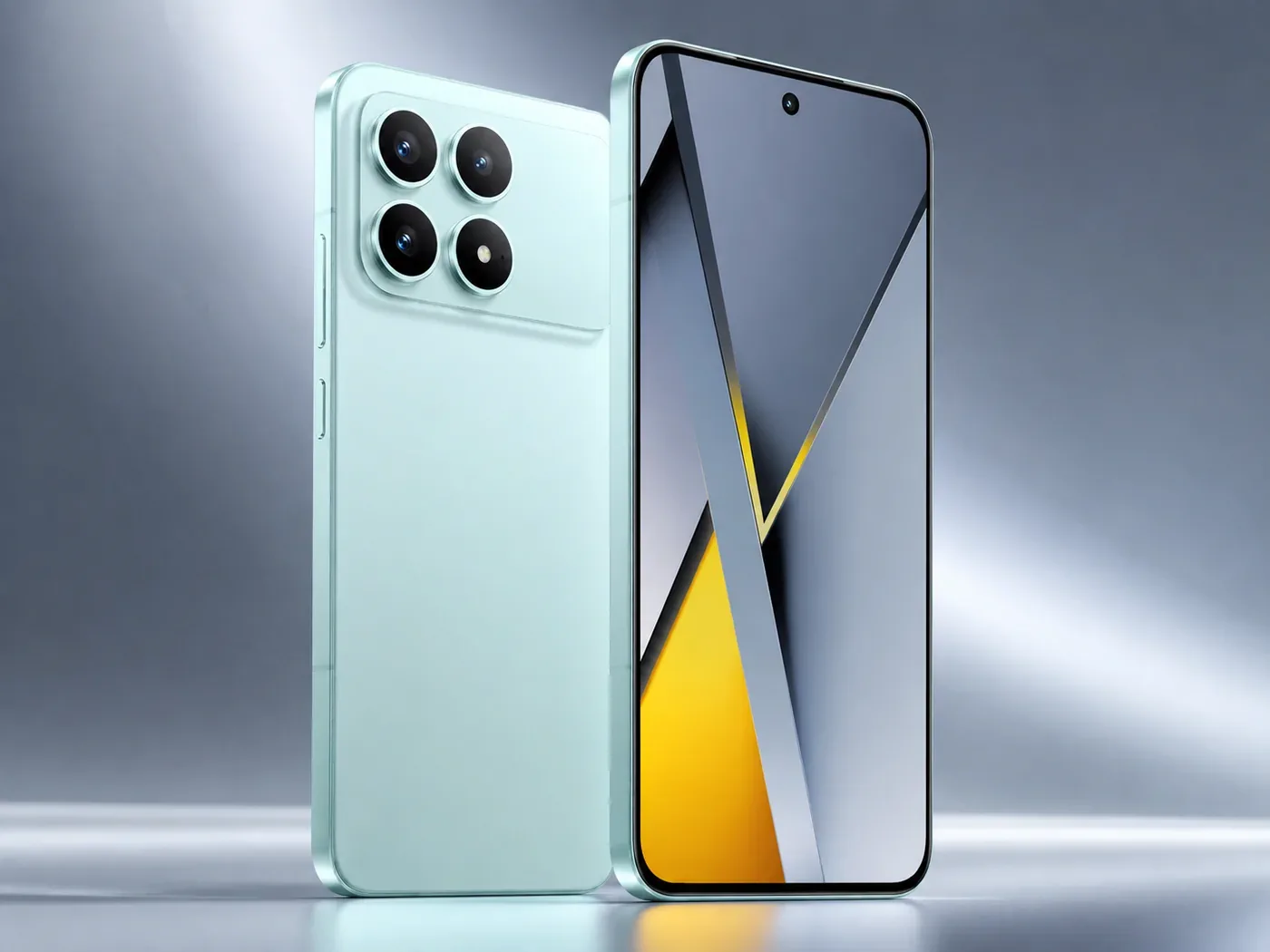
POCO phones have not always been subtle. Some past models leaned heavily into gamer styling or aggressive branding, but the F8 Pro takes a more mature direction. The official design language emphasizes a sleek body, flat sides and a rectangular camera island with a symmetrical lens layout. Visually, it feels closer to a modern upper-midrange flagship than to a budget performance phone trying too hard to stand out.
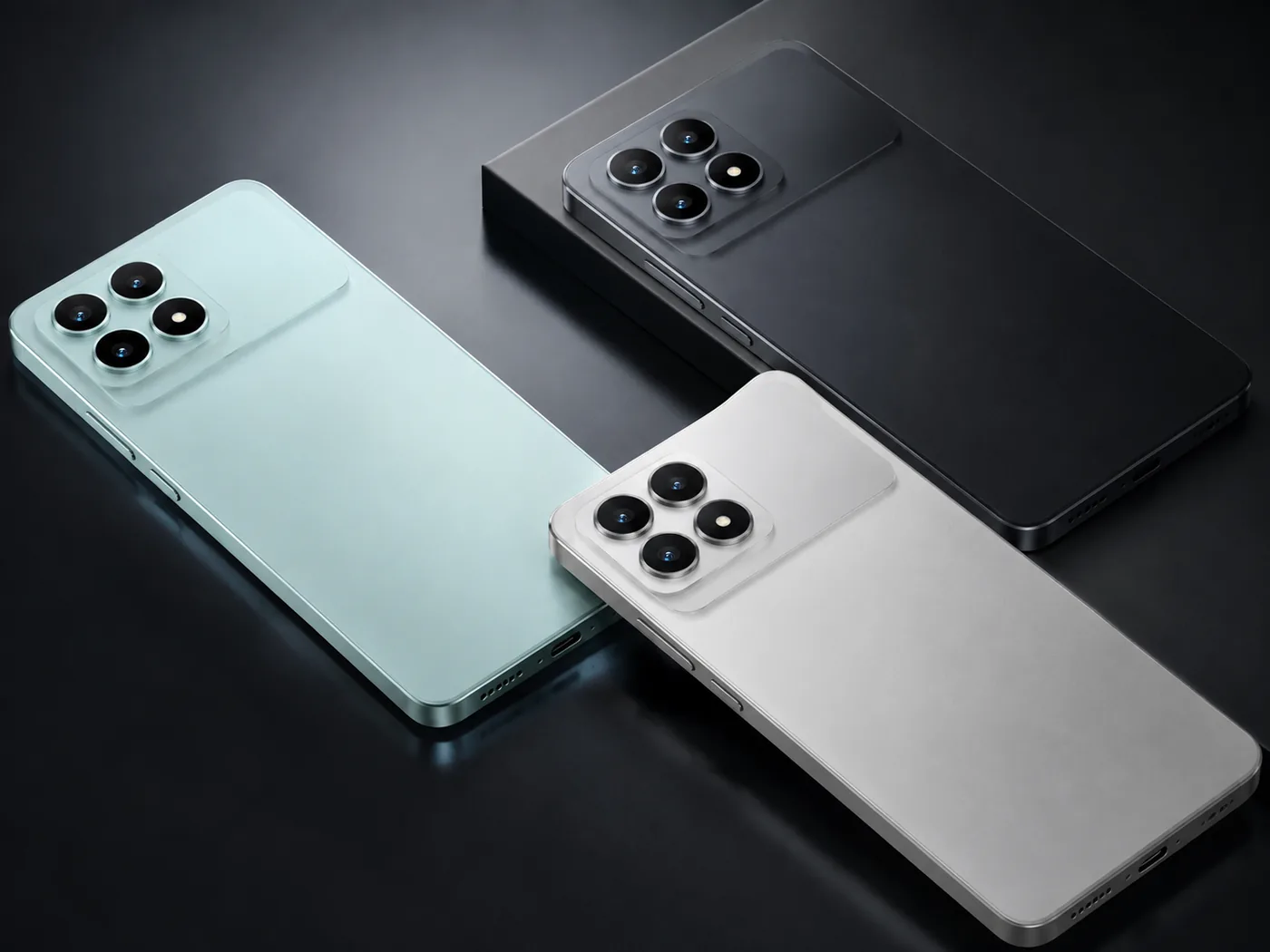
That matters because price is not the only reason people buy a phone. When you hold a device every day, the feel of the frame, the finish of the back panel and the simplicity of the design all affect perceived quality. The F8 Pro appears to understand that. It also adds IP68 dust and water resistance, which helps close the gap between value devices and true premium models.
8 min read
PhonesGate coverage from PhonesGate. Published Aug 31, 2026.
Display: one of the strongest reasons to buy it
The display is one of the F8 Pro’s headline features. POCO officially lists a 6.59-inch POCO HyperRGB AMOLED panel with a 120Hz refresh rate. The company also claims 3,500 nits peak brightness, a full RGB subpixel structure, 100% DCI-P3 coverage and several eye-care features including TÜV Rheinland certifications and all-day DC dimming.
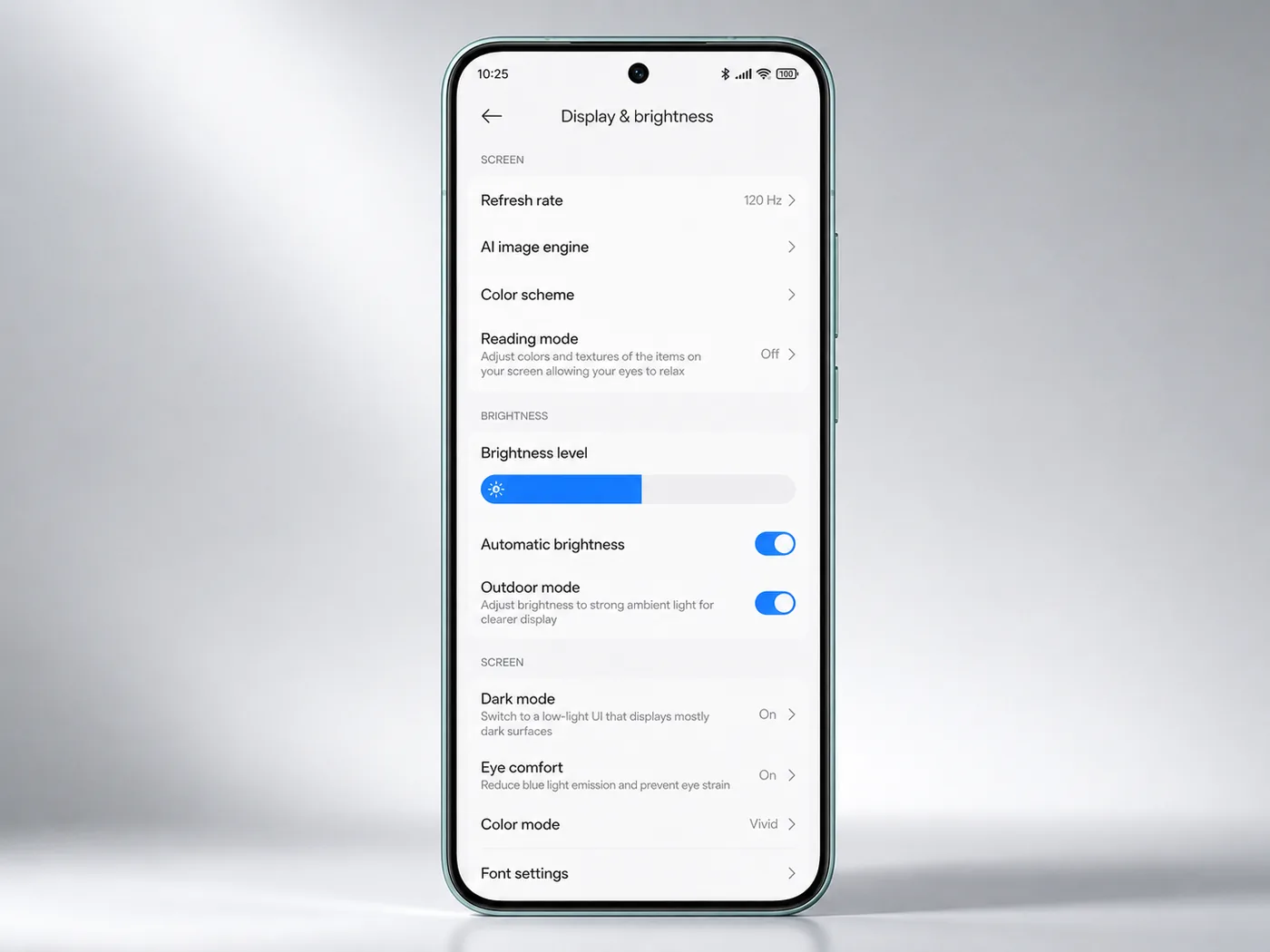
Even after allowing for the usual difference between peak claims and normal brightness, the combination still looks impressive. This is the kind of panel that should feel sharp, vibrant and highly usable outdoors. POCO also claims near-quad-equal bezels and a very narrow bottom bezel, which suggests a more immersive front design than many phones in the same price range.
For many buyers, this alone will be enough to justify strong interest. Flagship performance is nice, but a smartphone is still first and foremost a screen you interact with for hours every day. If the display quality matches the specification sheet, the F8 Pro will feel premium every single time the user unlocks it.
Performance: this is why the F-series exists
The POCO F8 Pro is powered by the Snapdragon 8 Elite Mobile Platform, built on a 3nm process. On paper, it is paired with LPDDR5X memory and UFS 4.1 storage, which should help with app loading, file handling and overall system responsiveness.
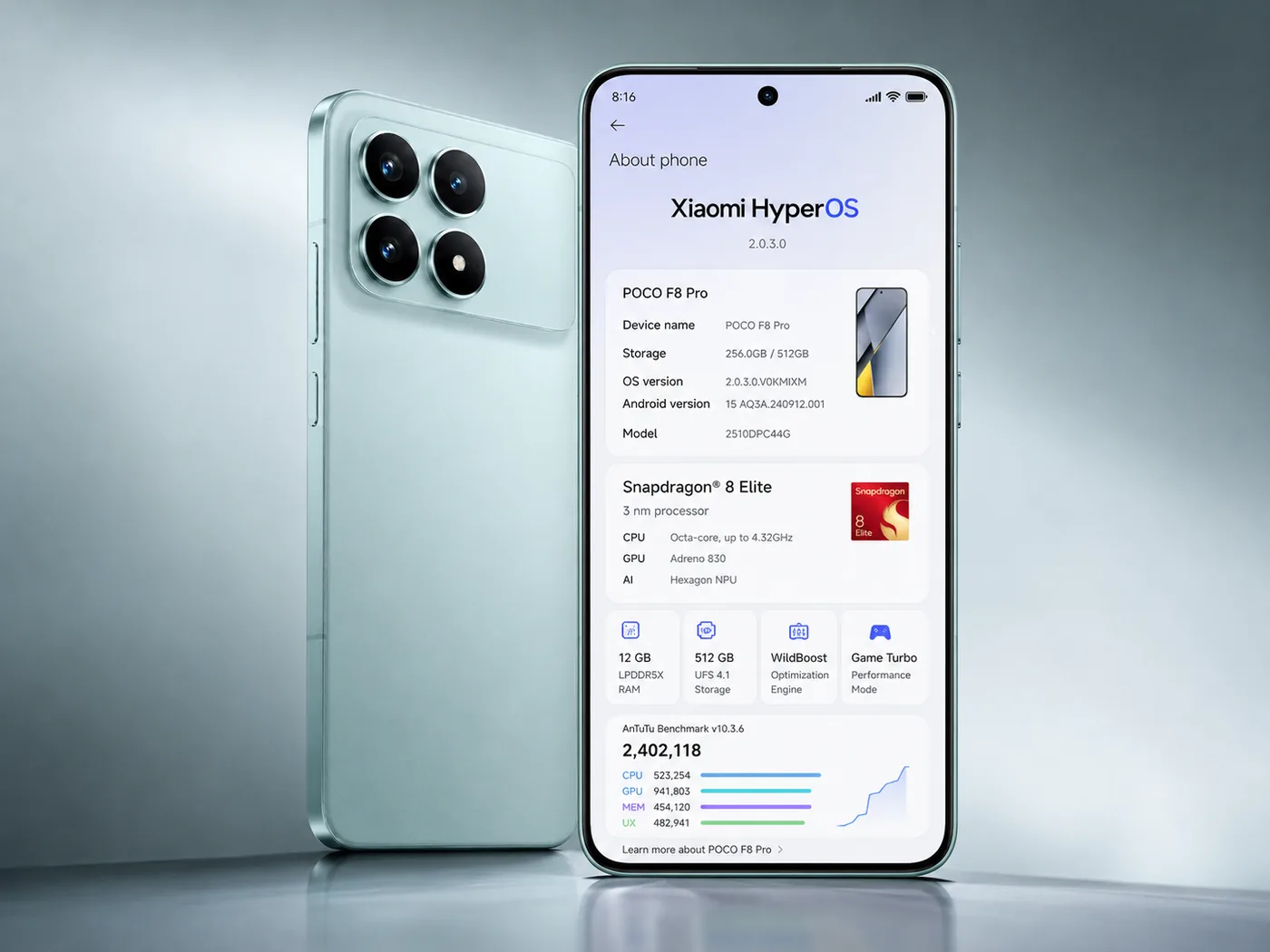
POCO’s official material leans heavily into performance, and for good reason. It claims an AnTuTu score of 3,284,129, WildBoost Optimization for gaming, plus internal metrics aimed at frame stability and power efficiency. The phone also includes a 3D Triple-layer IceLoop cooling system, which POCO says improves thermal conductivity and directs heat away from the grip area.
All of that suggests the F8 Pro is being positioned as a real performance phone, not just a “good enough” daily device. Whether you care about demanding games, emulation, heavy multitasking or simply keeping a phone fast over several years, the hardware stack looks more flagship than upper-midrange.
Battery and charging: probably the easiest sell here
The battery setup may be the easiest feature to recommend without hesitation. POCO officially lists a 6,210mAh battery, which is unusually large for a phone with this performance level and display class. The company also says the battery retains at least 80% capacity after 1,600 charge cycles, which is a reassuring long-term durability claim.
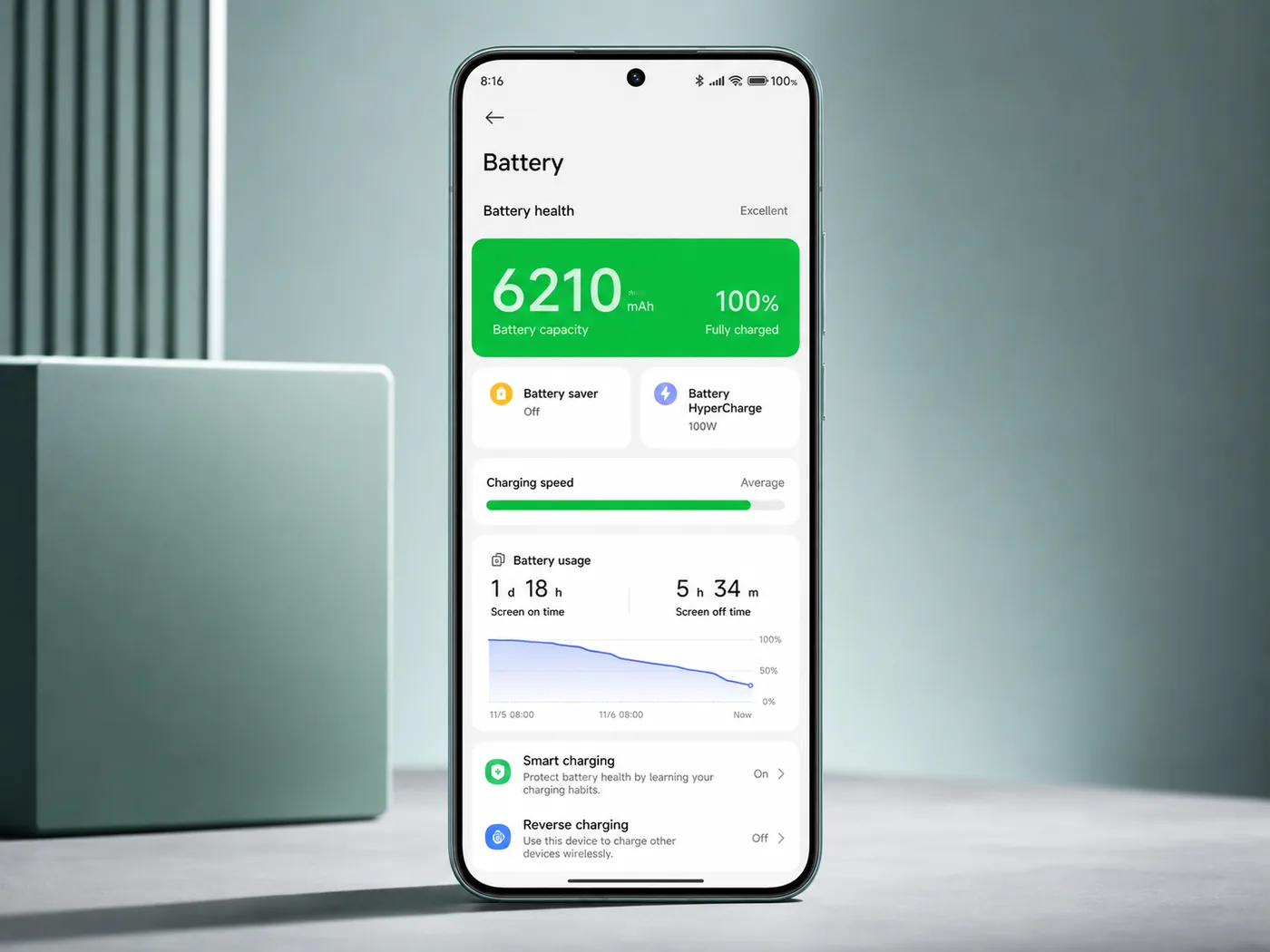
Charging is equally strong. The F8 Pro supports 100W HyperCharge, and POCO claims a full charge in about 37 minutes under its test conditions. It also supports 100W PPS compatibility and up to 22.5W wired reverse charging.
In practical terms, this is the sort of setup that makes daily ownership easy. A big battery reduces anxiety; very fast charging reduces planning. The combination is particularly attractive to power users, travelers and gamers — exactly the people who often gravitate toward the POCO brand.
Cameras: surprisingly flexible, but not a total flagship killer
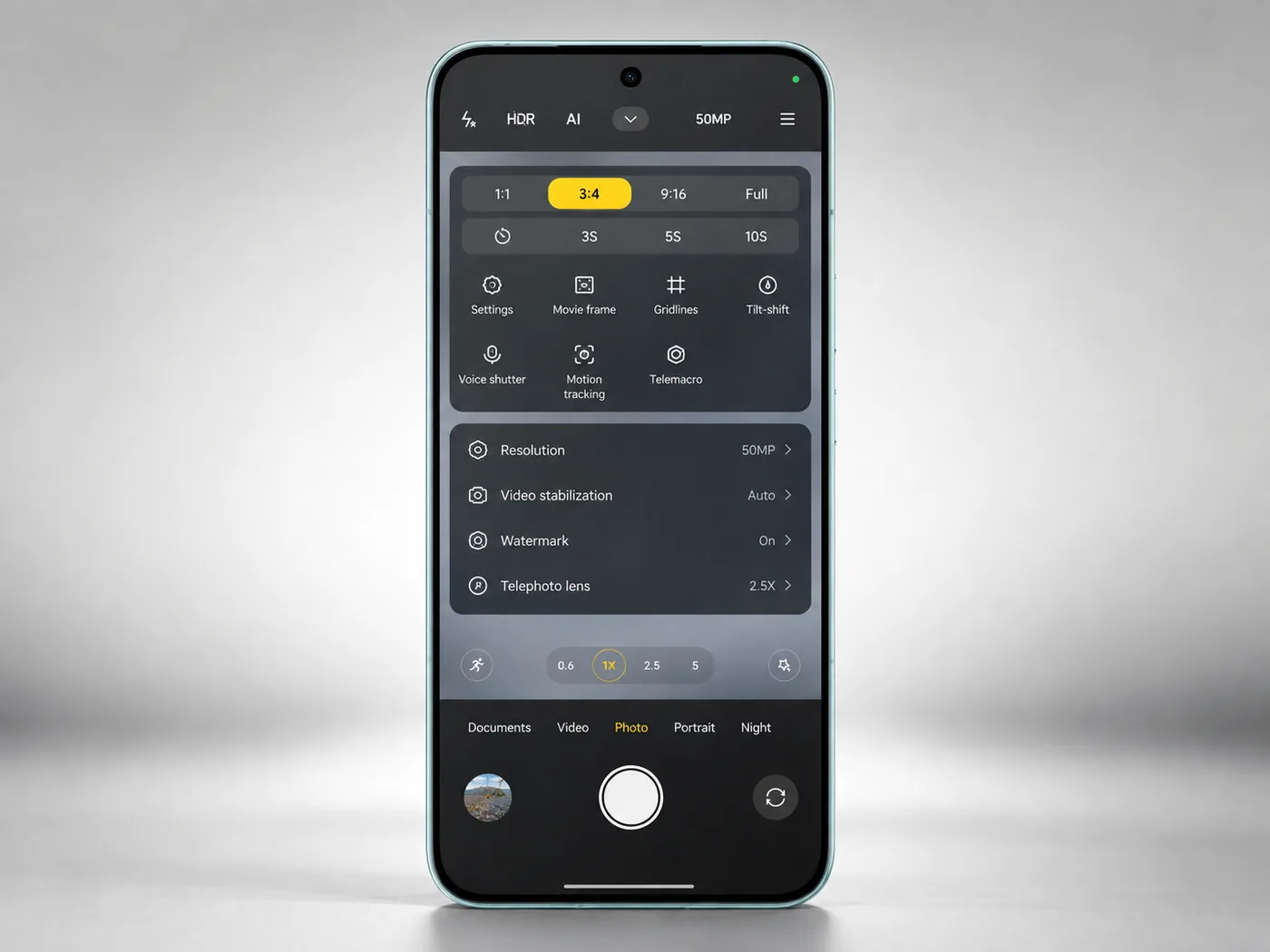
Camera hardware is where POCO has often made smarter compromises instead of trying to win a pure spec war. The F8 Pro officially includes a 50MP main camera using the Light Fusion 800 sensor, with OIS, a 1/1.55-inch sensor size and an f/1.88 aperture. There is also a 50MP telephoto camera with a 60mm equivalent focal length and an 8MP ultra-wide.
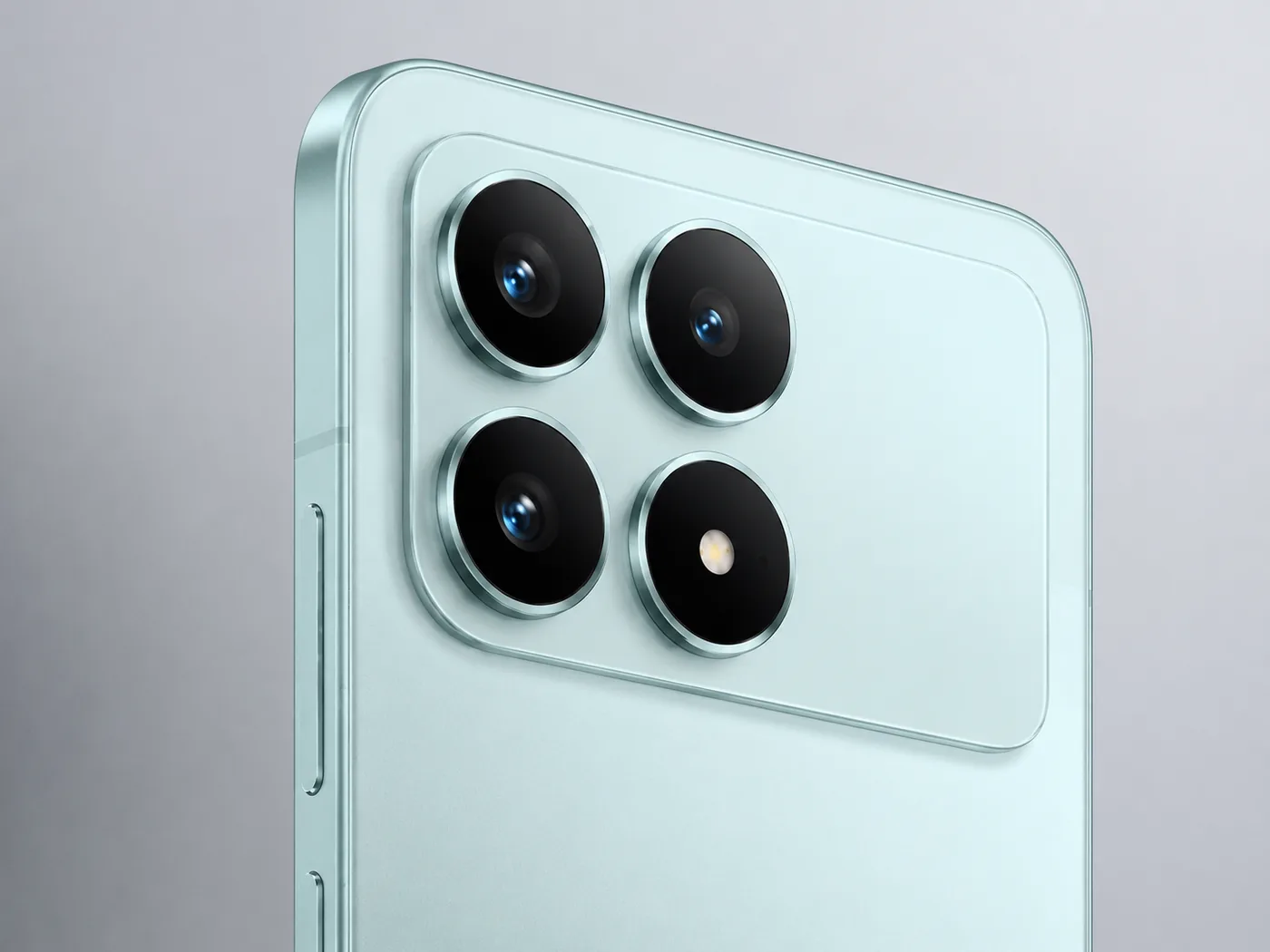
That is a more interesting camera setup than many “performance-first” phones offer. The telephoto lens is especially valuable because it adds flexibility that spec sheets often ignore. A proper portrait-friendly focal length tends to be much more useful than another throwaway macro or decorative depth sensor.
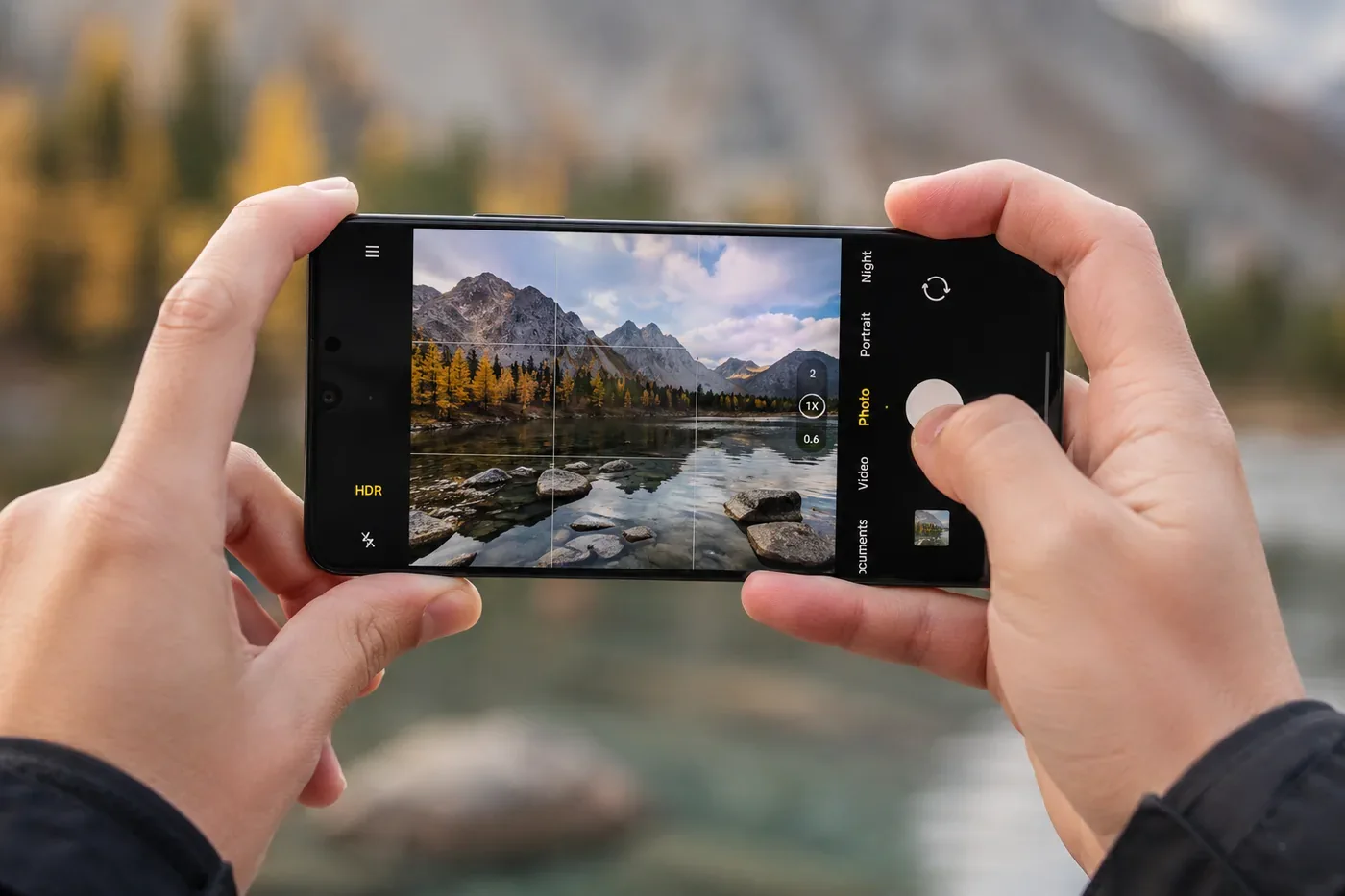
The image above illustrates a realistic shooting scenario, but it is not a photograph captured by the POCO F8 Pro. Camera-quality conclusions here are based on the official hardware specifications and independently published testing.
Still, the F8 Pro is not trying to be the best camera phone in its class at any price. The 8MP ultra-wide is the obvious reminder that POCO is still choosing value over perfection. Buyers who care most about computational photography consistency, top-tier night processing or truly premium ultra-wide quality will still find reasons to spend more on a different flagship. For everyone else, the camera system looks practical, capable and more balanced than many rivals at this price.
Software, extras and the compromises you should know
The F8 Pro includes some genuinely strong extras. POCO highlights Sound by Bose, symmetrical stereo speakers, an ultrasonic fingerprint sensor, AI creativity tools and several display comfort features. These all help the phone feel better equipped than a typical spec-driven value device.
But this is also where value-flagship compromises usually appear. The most obvious missing premium extra is wireless charging. For many buyers that will not matter at all, especially when 100W wired charging is available. For users already invested in wireless chargers at home, on a desk or in the car, it is still a notable omission.
Another potential compromise is software polish. POCO and Xiaomi software has improved significantly, but enthusiasts often remain sensitive to preinstalled apps, occasional ads in certain markets and the need for aggressive cleanup during initial setup. Software experience can vary depending on region, and this remains one area where mainstream premium brands often feel more refined.
Who should buy the POCO F8 Pro?
- Buy it if you want flagship-level performance without paying flagship-level money.
- Buy it if battery life and charging speed matter more to you than having the absolute best camera system.
- Buy it if you play games, multitask heavily or simply keep your phone for several years and want strong hardware headroom.
- Skip it if wireless charging is a must-have feature.
- Skip it if you care more about camera refinement and software polish than about raw value.
PhonesGate verdict
The POCO F8 Pro looks like exactly what a value flagship should be. It does not try to do everything, but it appears to get the most important things right: display quality, chipset, battery size, charging speed, water resistance and overall day-to-day usability.
The camera system is better than expected for this kind of phone, especially with the addition of a real telephoto lens, but it is also where the brand still stops short of the most expensive flagships. The same is true for premium extras like wireless charging or the more polished software ecosystems offered by some rivals.
Even so, the central story remains hard to ignore. If you can get Snapdragon 8 Elite power, a bright 120Hz AMOLED display, a 6,210mAh battery and 100W charging at around the €500 class, then spending nearly double for a mainstream flagship becomes much harder to justify. That is the POCO F8 Pro’s biggest achievement — not that it beats every flagship, but that it makes many of them look overpriced.
Sources
This review is based primarily on the official global POCO F8 Pro product page and manufacturer-published specifications, including chipset, display, battery, charging, camera and durability claims. Editorial judgments in this article reflect PhonesGate’s analysis of the device’s positioning and value proposition relative to the wider smartphone market.
Image note: the visuals used in this article are original PhonesGate editorial illustrations inspired by the POCO F8 Pro design language. They are included for article presentation and are not official POCO press images.