

The Nothing Phone 4b is the company’s clearest attempt yet to bring its distinctive software, transparent styling and Glyph identity into a lower price bracket. It does not try to compete with premium flagships on raw hardware. Instead, it focuses on the parts buyers are most likely to notice every day: a large OLED display, smooth software, strong battery life, stereo speakers and a design that still looks different from most budget phones.
That approach makes the Phone 4b interesting. It is not a specification monster, and several compromises are obvious once you look closely. The body is plastic, the cameras are limited, storage is slower than what you find on more expensive devices, and the Snapdragon 6 Gen 4 is not built for long-term flagship performance. But the overall experience is more polished than the component list initially suggests.
PhonesGate examines where the Phone 4b succeeds, where it cuts costs and whether it deserves a place near the top of the affordable Android shortlist.
Key takeaway
The Nothing Phone 4b combines a 120Hz AMOLED display, long battery life, smooth Nothing OS and Glyph lighting with a plastic build, modest cameras and mid-range performance.
Where the Nothing Phone 4b fits
Nothing’s product naming can be confusing, but the Phone 4b is easiest to understand as the company’s budget-oriented model. It sits below the A-series and well below the company’s top phone, while still preserving the core Nothing experience.
At around €330 or £300 in launch markets, it enters a crowded part of the Android market. Buyers at this price usually have to choose between better cameras, stronger processors, longer software support or a more distinctive design. The Phone 4b prioritizes design, display quality, battery life and software responsiveness.
9 min read
PhonesGATE coverage from PhonesGATE. Published Jul 22, 2026.
Design: unmistakably Nothing, but clearly built to a budget
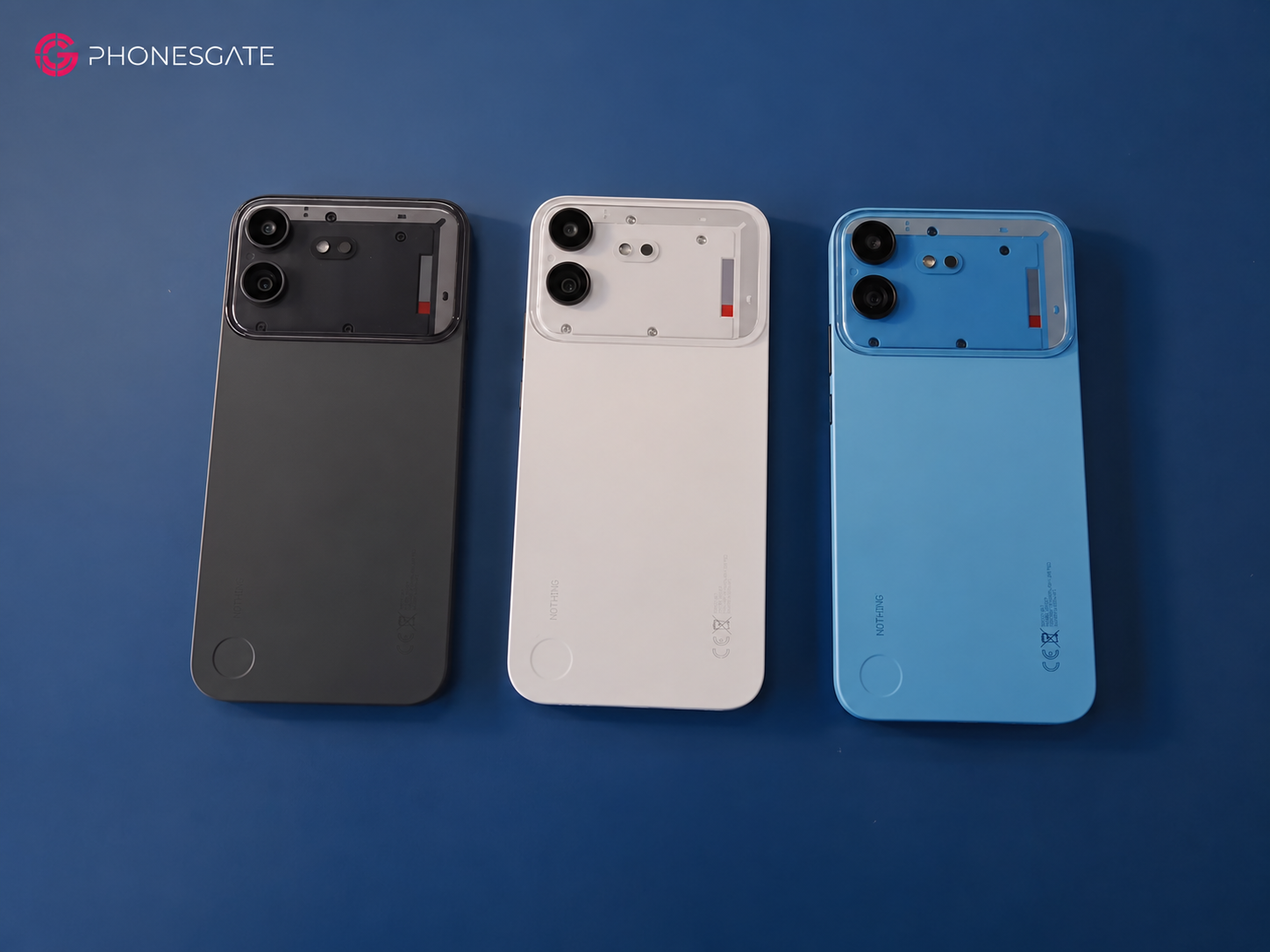
The rear design is the phone’s most recognizable feature. Only the upper section uses the transparent-style treatment, with visible screws, layered details and the company’s familiar industrial aesthetic. The rest of the body is simpler and more conventional.
The phone is available in blue, black and white. Flat sides and contrasting dark buttons give it a cleaner look than many similarly priced devices. However, the entire body is plastic, and it feels like plastic in the hand. The blue finish in particular may show scuffs and wear more easily over time.
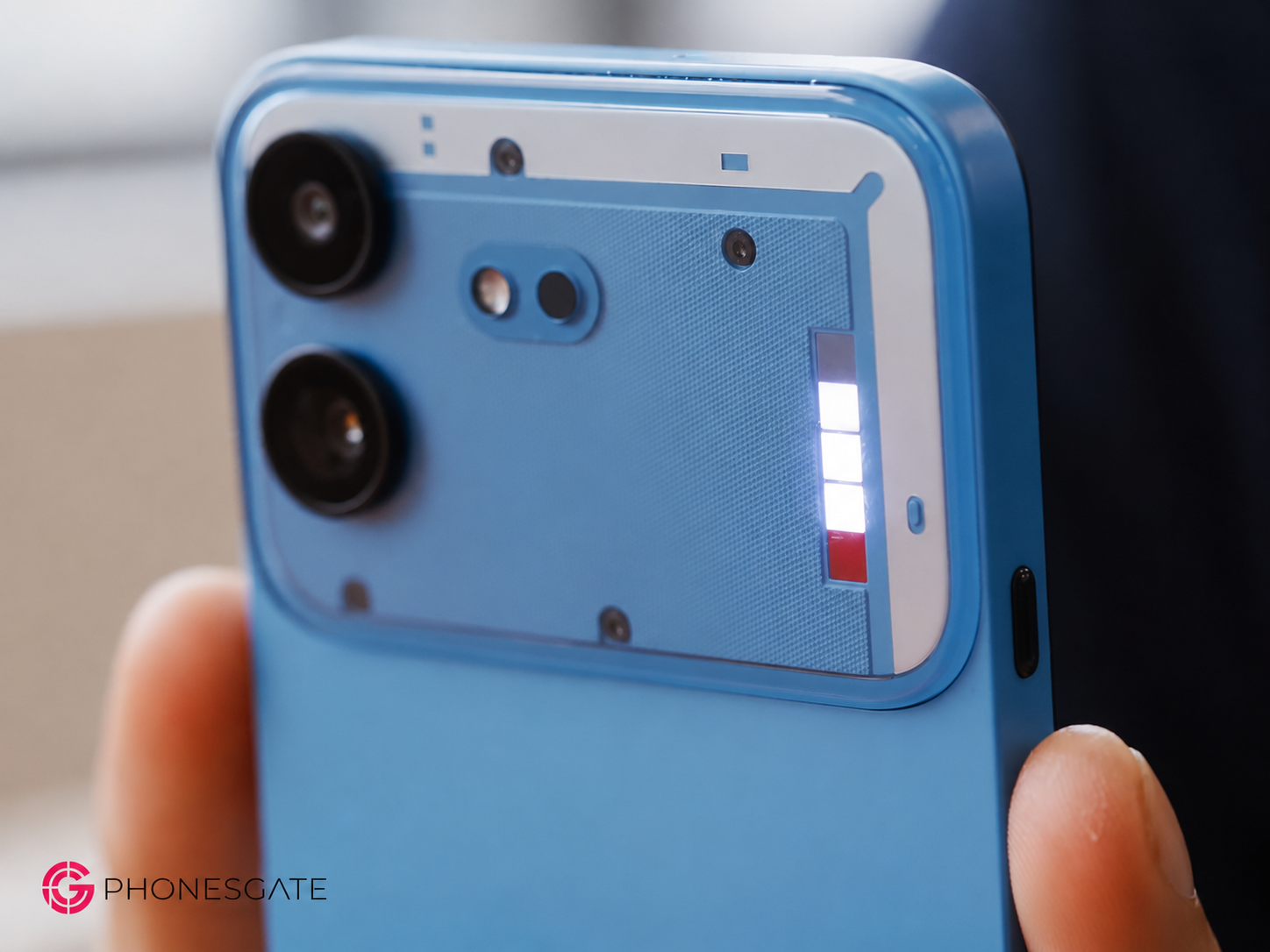
Glyph lights still provide the brand character
The Glyph lighting system remains part of the experience. The lights can act as notification indicators and can also serve as a blinking recording light during video capture.
They are not essential to using the phone, but they help the Phone 4b feel like a real Nothing device rather than a generic budget model with a logo added to the back. For buyers who like the brand’s visual language, this is one of the strongest reasons to choose it over a more conventional competitor.
Display: strong fundamentals with visible cost-saving
The Phone 4b uses a large 6.77-inch AMOLED display with a 120Hz refresh rate. Resolution sits above standard Full HD while remaining below QHD. In everyday use, the panel looks sharp, colorful and responsive.
The display represents the overall philosophy of the phone: keep the fundamentals strong, then save money in less critical areas. The panel still offers OLED contrast and high refresh rate, but the bezels are not perfectly even, the lower chin is more noticeable and the anti-glare treatment is weaker than on more expensive devices.
The optical fingerprint reader is also positioned relatively low on the screen and is slower than a premium ultrasonic sensor. None of these issues ruins the experience, but they remind you that this is still an affordable phone.
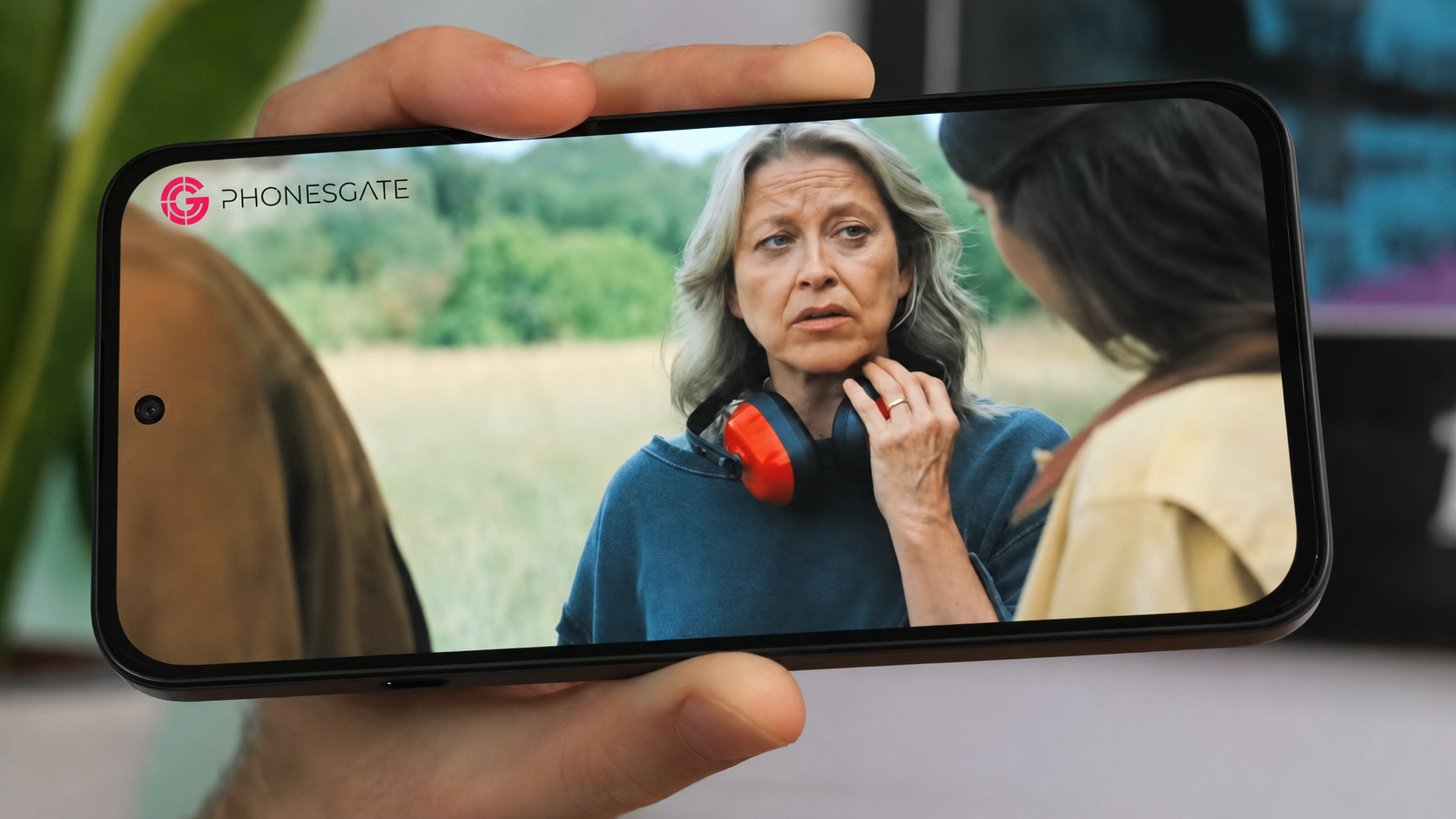
PhonesGate take: the display is where the Phone 4b earns its price
At this price level, display quality has a major impact on how premium a phone feels. The Phone 4b makes the correct compromise by preserving OLED contrast and 120Hz smoothness instead of prioritizing a thinner chin or more expensive fingerprint hardware.
Most users will notice the fluid scrolling and strong contrast every day. Fewer buyers will care that the panel is LTPS rather than LTPO or that the bezels are not perfectly symmetrical.
Performance: modest hardware, better-than-expected software feel
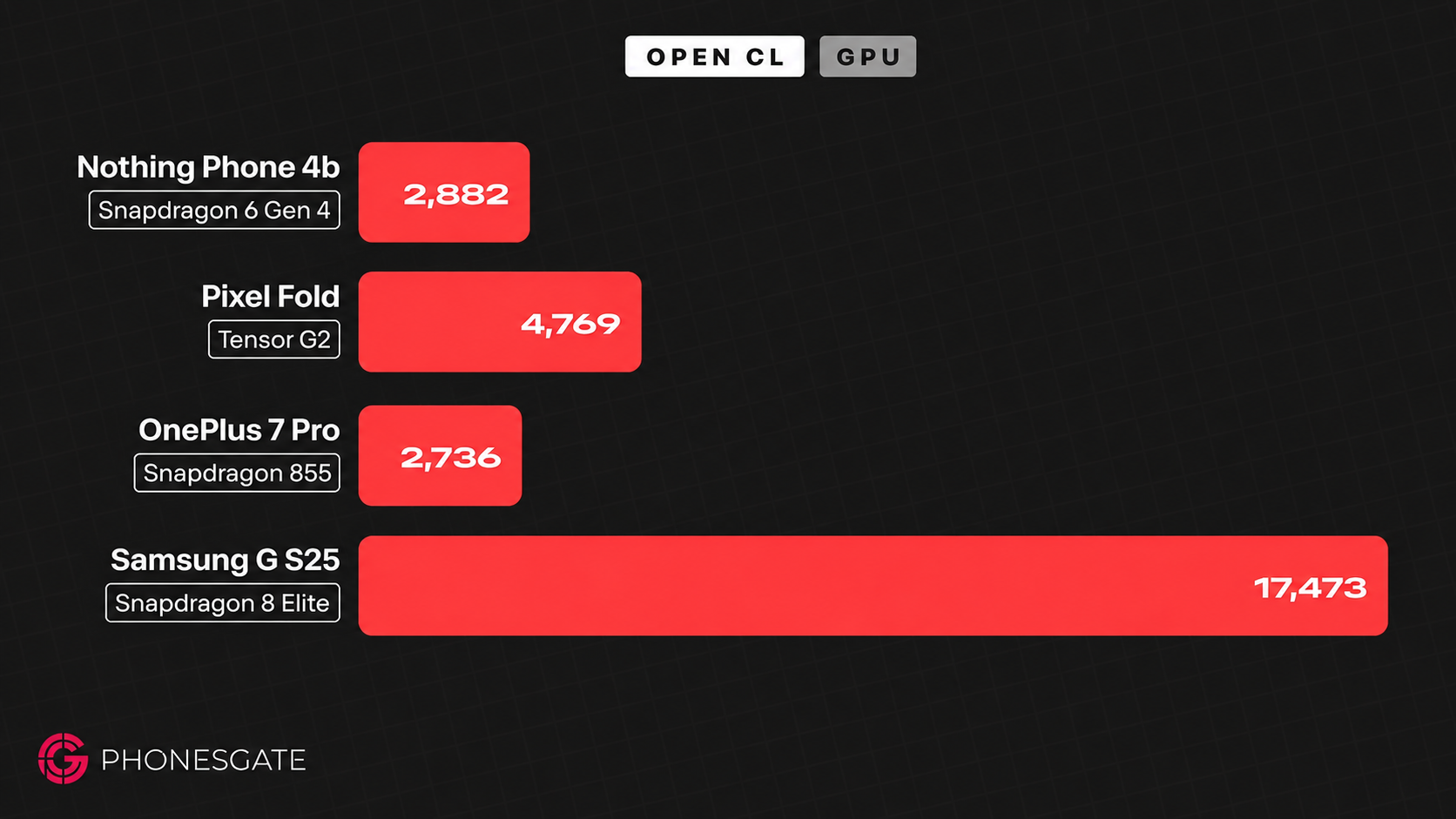
The Phone 4b uses the Snapdragon 6 Gen 4. This is a lower mid-range chipset rather than a performance-focused platform. Benchmark results place it closer to much older flagship processors than to current premium chips.
That does not tell the whole story. Nothing’s software optimization helps the phone feel faster than the processor specification suggests. App launches are generally quick, scrolling is smooth and the 120Hz display combines well with a high touch-sampling rate.
There are occasional stutters, especially under heavier workloads, but normal daily use remains responsive. A larger vapor chamber also helps the phone maintain performance for longer gaming sessions.
Gaming is possible, but expectations should stay realistic
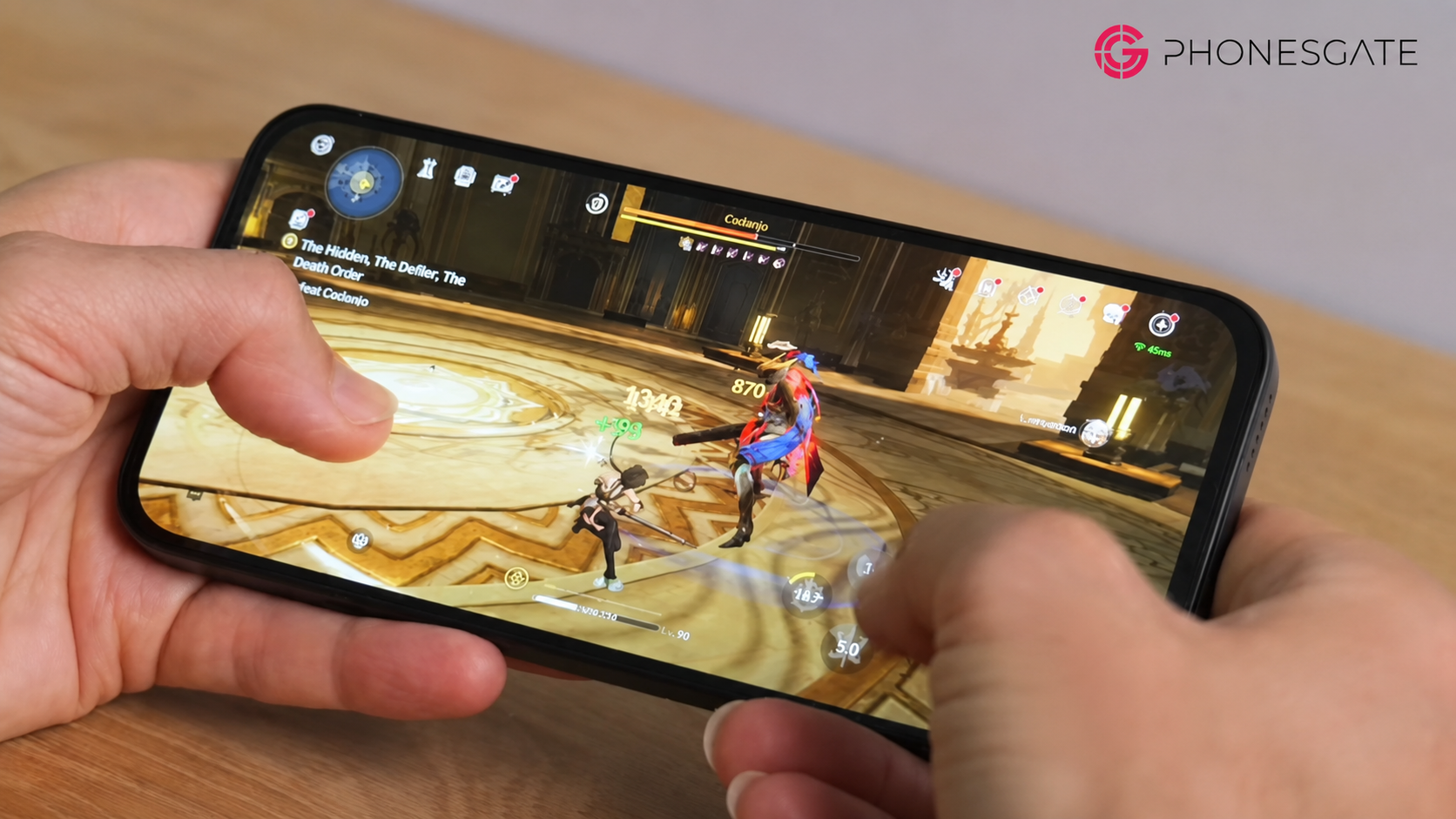
The Phone 4b can handle modern mobile games, especially at sensible graphics settings. The GPU is capable enough for casual and moderate gaming, and thermal management appears better than the chipset tier might suggest.
However, this is not the right phone for buyers who want maximum frame rates, console-level graphics settings or several years of demanding gaming performance. The slower storage and mid-range processor will become more noticeable as games and applications grow heavier.
Nothing OS is the phone’s biggest advantage
Nothing OS remains one of the cleanest and most distinctive Android interfaces. The software is close to stock Android but adds custom widgets, monochrome icon options, dot-matrix styling and useful personalization without becoming visually heavy.
The Phone 4b appears to retain the same major software features available on more expensive Nothing devices. That includes the brand’s widgets, interface customization and its growing AI-related tools.
This matters because budget phones often lose the features that make a brand’s flagship products interesting. The Phone 4b does the opposite: it keeps most of the software identity while reducing hardware cost.
Cameras: acceptable in good light, limited after dark
The rear camera system is straightforward: a 50MP primary camera with optical image stabilization and an 8MP ultrawide. Avoiding a low-value third sensor is the right choice.
The main camera can produce acceptable images in strong daylight. Colors and detail are generally good enough for social media and everyday memories. However, the small sensor limits low-light performance. Shutter speeds become slower, noise increases and colors lose some impact as lighting conditions worsen.
The ultrawide is useful for landscapes, buildings and group shots, but corner sharpness is limited. It is better to have a usable ultrawide than a decorative macro sensor, though buyers focused heavily on camera quality should consider alternatives.
Battery life is a major strength
Battery capacity is one of the Phone 4b’s standout features. The global version uses a 5,200mAh battery, while the Indian version reportedly increases capacity to 6,000mAh.
That should translate into a full day and a half for many users, with two days possible under lighter use. Charging is limited to 33W, so it is not among the fastest-charging phones in its class, but endurance is more important than peak charging speed for many buyers.
Stereo speakers and IP64 add practical value
The Phone 4b includes true stereo speakers and an IP64 rating. The rating means the phone is protected against dust ingress and can handle splashes, though it should not be treated as fully waterproof.
These features may not dominate marketing materials, but they improve everyday usability. Stereo separation helps with games and video, while basic water resistance gives owners more confidence during rain or accidental splashes.
The compromises you should know about
- No wireless charging: expected at this price, but still worth noting.
- No NFC in some regional versions: a major issue for users who rely on contactless payments.
- Weak vibration motor: haptics feel soft and imprecise compared with better mid-range phones.
- Plastic wear: the body may show scuffs, particularly in darker or brighter finishes.
- UFS 2.2 storage: slower storage may affect long-term responsiveness and large app installations.
- Limited long-term performance: the chipset may not age as well over five or six years.
Nothing Phone 4b strengths and weaknesses
Area What works well Main compromise Design Distinctive transparent styling and Glyph lights Plastic body may scratch and scuff Display Large AMOLED panel with 120Hz refresh rate Uneven bezels and weaker anti-glare coating Performance Smooth software and good responsiveness Mid-range chipset and slower UFS 2.2 storage Cameras Useful main and ultrawide combination Limited low-light and ultrawide sharpness Battery Excellent capacity and long endurance Only 33W wired charging Software Clean Nothing OS with full brand features Long-term hardware headroom is limited
Who should buy the Nothing Phone 4b?
The Phone 4b makes sense for buyers who want a visually distinctive Android phone, a strong OLED display, long battery life and clean software without paying flagship prices.
It is especially suitable for users who prioritize daily smoothness over benchmark scores and who do not need advanced cameras or premium materials.
Who should look elsewhere?
Camera-focused buyers should consider phones with stronger computational photography. Heavy gamers may prefer a device with a more powerful chipset and faster storage. Users who depend on NFC should also verify regional specifications carefully before buying.
Anyone planning to keep the same phone for five or six years should consider whether the Snapdragon 6 Gen 4 and UFS 2.2 storage provide enough long-term headroom.
Explore more on PhonesGate
PhonesGate verdict
The Nothing Phone 4b succeeds because it understands which compromises affordable-phone buyers can accept. It gives up premium materials, flagship camera hardware and long-term performance headroom, but it preserves the features that define the Nothing experience.
The OLED display, smooth software, strong battery life, stereo speakers and Glyph design make it feel more complete than many phones built around a stronger processor but weaker overall experience.
For buyers who value design and software more than camera performance, the Phone 4b is a compelling affordable Android option. It is not the fastest or most durable phone in its class, but it may be one of the most distinctive.