

Source and context
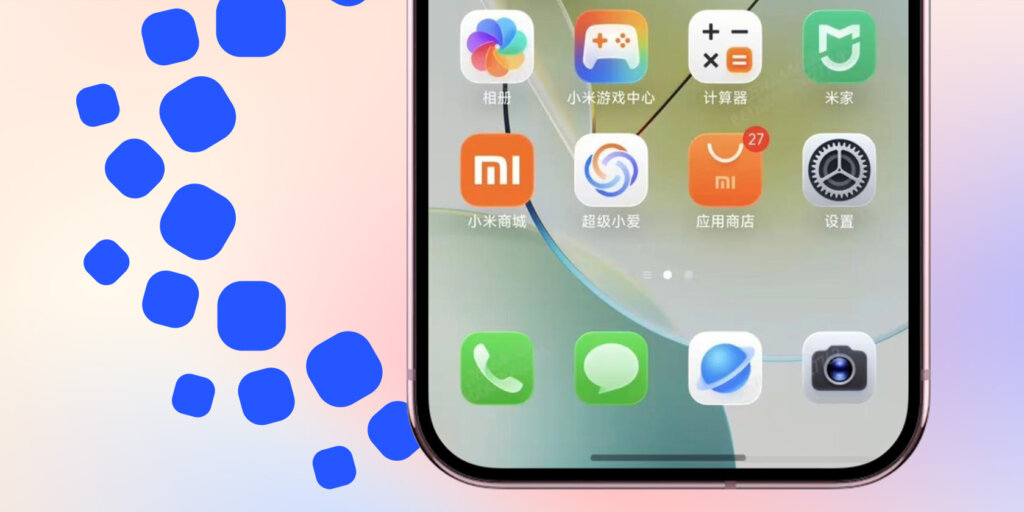
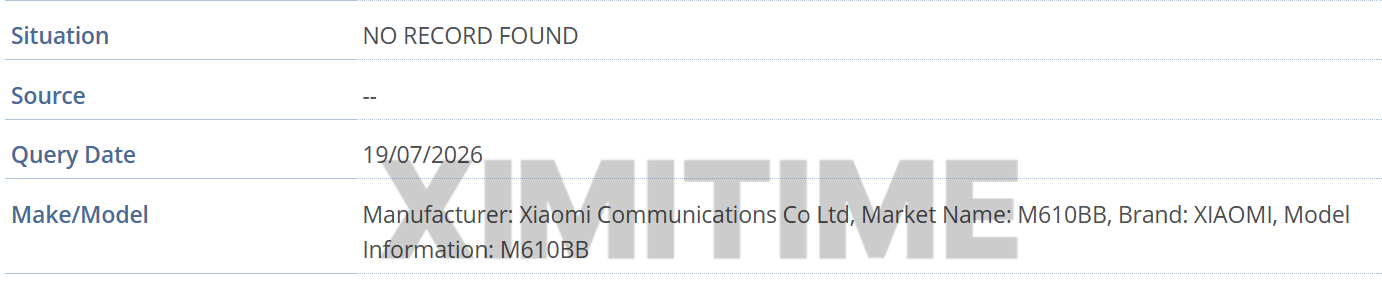
A purported home-screen screenshot of HyperOS 4 has appeared on social media, and the image reportedly contains device identification strings linked to a prototype internally called HONGKONG. That codename is associated with the highest-positioned model in the Xiaomi 18 family, which suggests the build may be running on a top-tier Xiaomi 18-series device rather than a generic development unit. The leak also aligns HyperOS 4 with Android 17 as its underlying platform.
What the screenshot shows
The comparison presented in the image contrasts elements of HyperOS 3 with the alleged HyperOS 4 home screen. Overall layout elements remain familiar: a large clock near the top, two main widget areas, a four-column app grid, a four-icon bottom dock, rounded-square icons, and a centered home-screen page indicator. The visible differences are mainly graphical and interaction-focused.
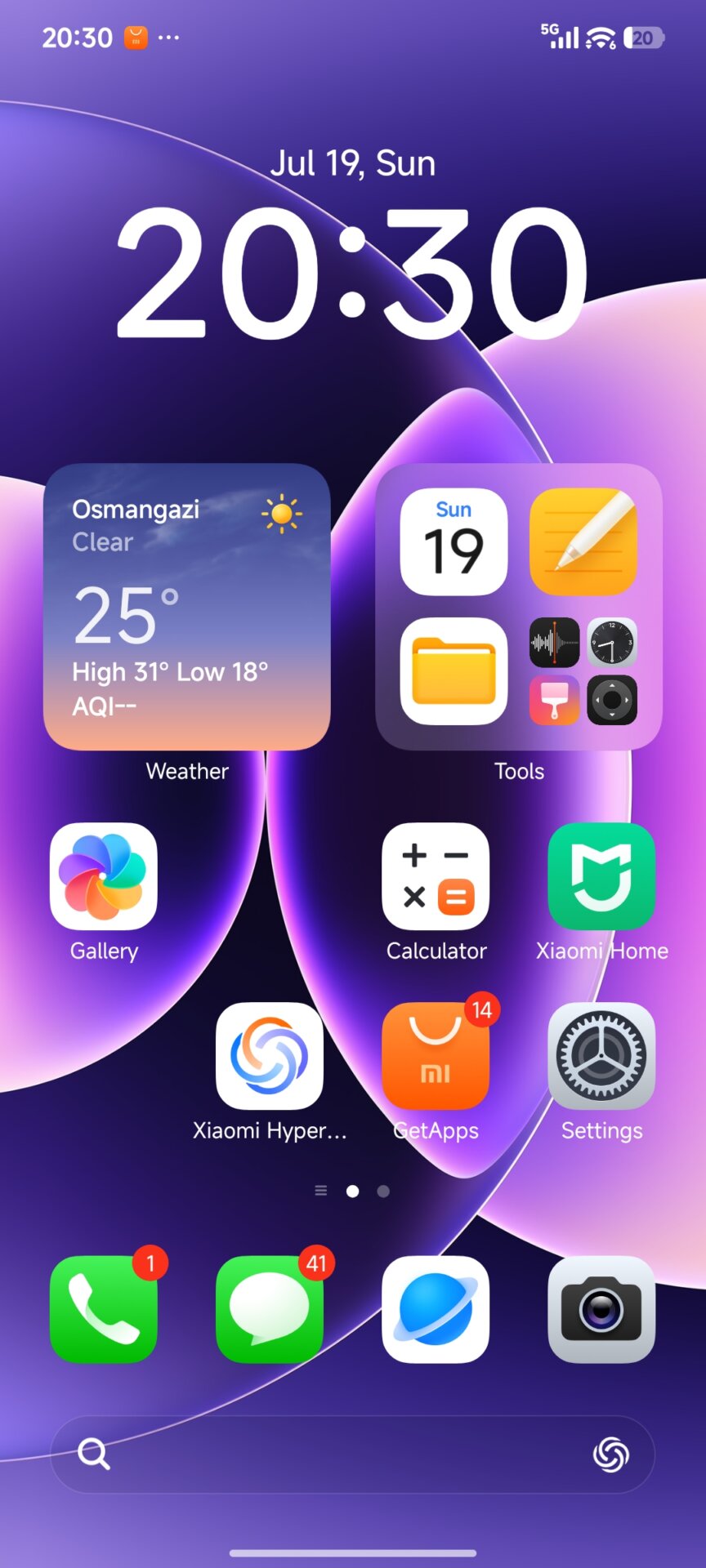
Notable changes include a vertical widget slider positioned between the weather widget and a system tools folder. The presence of stacked dots implies a vertical swipe gesture to navigate widget cards without adding larger widgets to the page—an interface tweak not present in the HyperOS 3 screenshot.
Key takeaway
An alleged HyperOS 4 home-screen screenshot has surfaced, reportedly captured on a Xiaomi 18-series prototype codenamed HONGKONG.
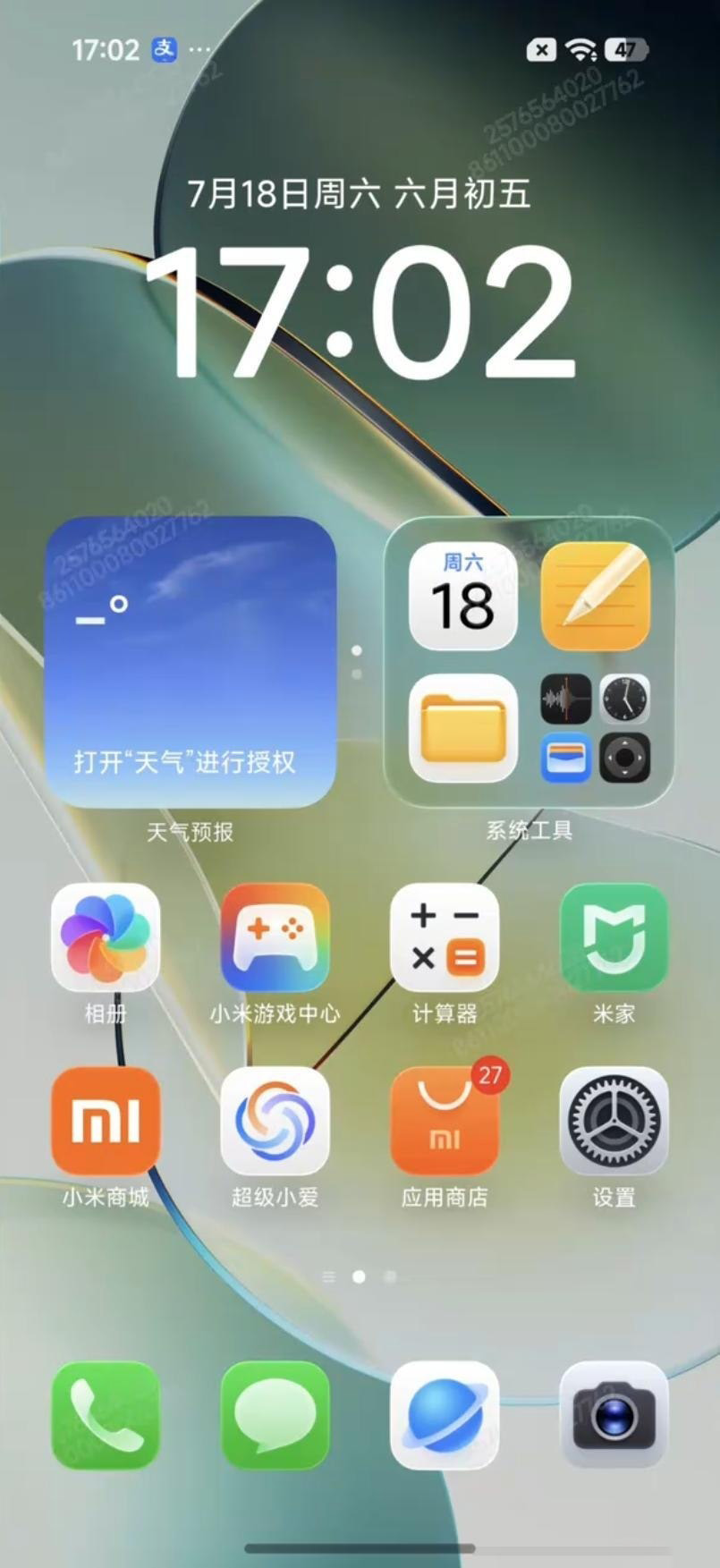
Icons across the home screen appear to cast stronger shadows and show increased depth, creating a more layered, three-dimensional impression. Specific icons called out in the leak include Gallery, Game Center, Calculator, Mi Home, Mi Store, GetApps, Settings, Phone, Messages, Browser, and Camera.
Several icons display distinct redesigns: the Settings icon adopts a darker, more mechanical look with deeper internal shadows; the Camera icon shows stronger shading and a brighter blue-purple reflection in the lens; the Game Center icon uses a glossy gradient and a white controller silhouette; the Calculator retains its familiar layout but with larger elements and pronounced shadowing. The Gallery and Mi Home icons are described as retaining familiar motifs with softer gradients and subtler depth.
3 min read
Xiaomi coverage from PhonesGATE. Published Jul 20, 2026.
The system tools folder uses a more translucent, glass-like background that lets more wallpaper show through, and folder-internal icons have clearer shadows and separation compared with the existing build.
Why this matters
If authentic, the leak ties together three developments: visible HyperOS 4 UI changes, Xiaomi testing an Android 17-based OS build, and deployment of that build on a high-end Xiaomi 18-series prototype. That would indicate Xiaomi is already iterating on visual language and widget navigation for its next major OS release on flagship hardware.
PhonesGATE quick analysis
The changes visible here are evolutionary rather than revolutionary. The new vertical widget slider and heavier icon shadows suggest Xiaomi is refining interaction and depth to make the interface feel more tactile, while preserving the overall home-screen structure users already know. Because this appears to be an early build on prototype hardware, many of these graphical and spacing choices could change before public release.
What this means for buyers
Buyers should treat this as an early preview rather than final software. Expect HyperOS 4 to retain familiar home-screen workflows while offering updated visuals and potentially smoother widget navigation. If Xiaomi does indeed ship HyperOS 4 on the Xiaomi 18-series flagship, early adopters of that family may see the new UI at launch.
Related device context
Relevant models to track: Xiaomi 18 series flagship prototypes (HONGKONG), and other recent Xiaomi high-end devices for comparison.
Sources and methodology
This article is based on reporting from XiaomiTime, with PhonesGATE editorial context and buyer-focused analysis.