
Source and context
Apple's Apple Intelligence rollout for iOS 27 expands Siri's on-device capabilities, but the company has added a new hardware threshold in small print: some of the most advanced Siri features will only run on devices with at least 12GB of unified memory. The broad Apple Intelligence compatibility list covers many iPhones, iPads, Macs, Apple Vision Pro, and supported Apple Watch models, but an Apple footnote narrows access to the most powerful on-device model to hardware that meets the 12GB requirement.
What Apple is including and what is restricted
Under iOS 27, Apple distinguishes between standard on-device Siri AI and a more powerful local model. The advanced model — and the features it enables — is explicitly limited to iPhone Air, iPhone 17 Pro, iPhone 17 Pro Max, iPads with M4 or later that carry at least 12GB of unified memory, and Macs with M3 or later that carry at least 12GB. Apple Vision Pro with M5 also qualifies for the advanced model and for expressive voices, though advanced dictation is not listed for that device in the footnote. Devices that meet Apple Intelligence's general support list but lack 12GB will still run the standard on-device model and retain the bulk of Siri's capabilities.
Which iPhones are affected
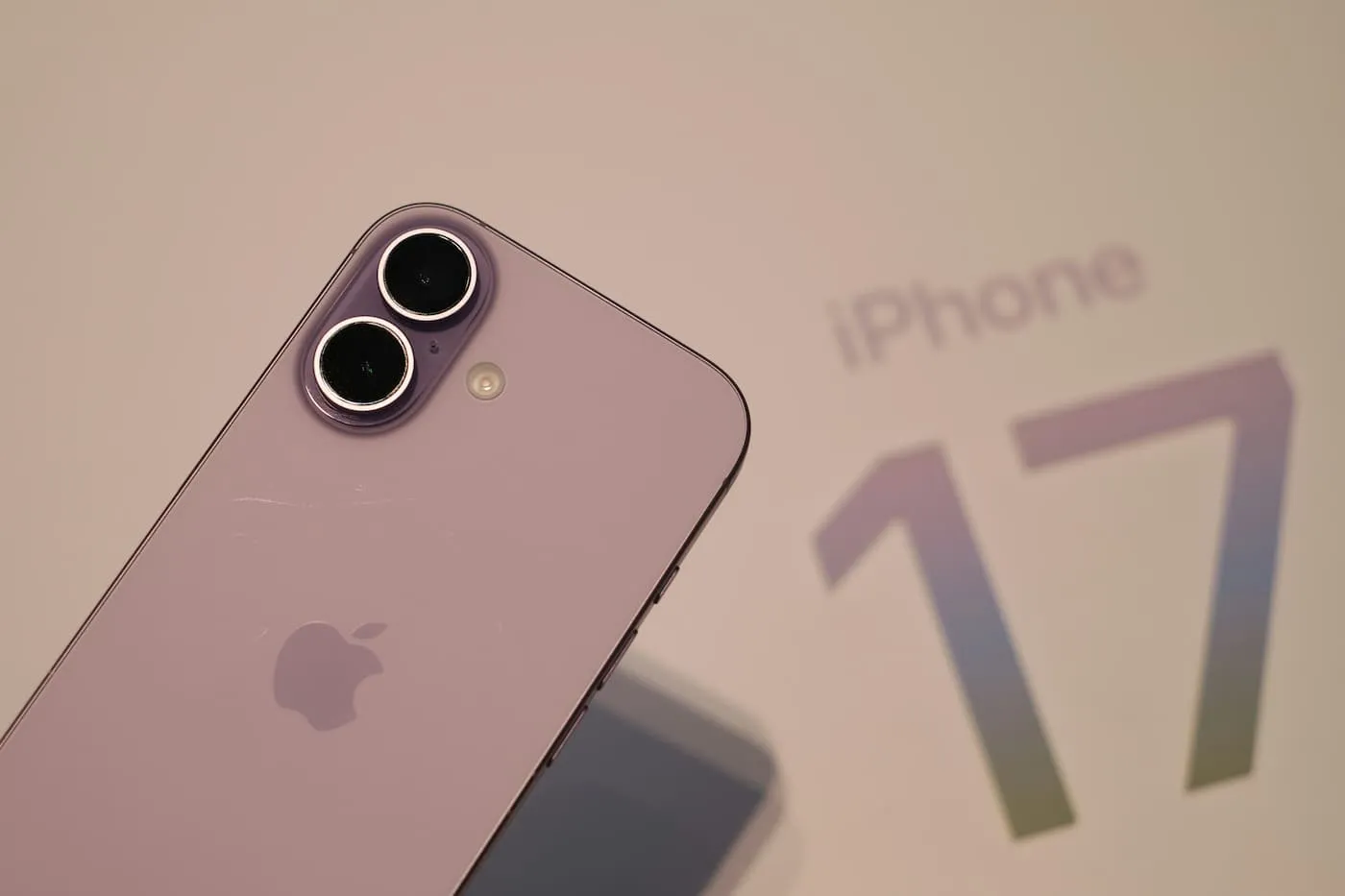
The base iPhone 17 ships with 8GB of unified memory and therefore does not qualify for the advanced on-device model. As a result, it will not support the two Siri features Apple has tied exclusively to that model: "even more expressive voices" and more advanced dictation that formats text (capitalization, punctuation, and layout) automatically as the user speaks. The iPhone 16 Pro likewise falls below the 12GB threshold and will not receive the advanced model or those two specific features despite having been marketed around Apple Intelligence capabilities when it launched.
Key takeaway
Apple's iOS 27 introduces a higher-tier on-device AI that requires 12GB of unified memory, excluding the base iPhone 17 (8GB) from two Siri features: expressive voices and advanced dictation.
What the advanced model actually delivers
Apple has named two capabilities powered only by the advanced on-device model. The first, expressive voices, promises more natural and varied speech output from Siri AI for qualifying devices — closer to conversational reply than synthetic read‑back. The second, more advanced dictation, converts spoken input into polished, formatted text in real time, removing the need for a separate editing pass for capitalization, punctuation, and formatting. Devices that do not meet the 12GB requirement will still receive Apple Intelligence's broader conversational skills, onscreen awareness, and access to world knowledge, but not these two outputs of the advanced model.
Why Apple chose memory as the dividing line
Apple explains the threshold as a practical constraint: the advanced model runs entirely on-device and must fit in memory alongside the operating system and active apps. A larger local model needs more headroom, and Apple has set 12GB as the minimum for its most powerful on-device model to operate. The company has not publicly clarified whether 12GB is an immutable technical floor or a conservative engineering threshold, and there is no public indication the requirement will change before iOS 27's public release.
5 min read
Apple coverage from PhonesGATE. Published Jun 13, 2026.
Why this matters
The split changes how Apple defines feature support within its own software. Previously, feature gating leaned primarily on chip generation; with iOS 27 Apple has introduced memory as a separate variable that can exclude otherwise supported, current‑generation devices. For buyers and users this creates a new axis to consider beyond chip and model name: unified memory size now directly affects access to specific user-facing AI features.
PhonesGATE quick analysis
Apple's decision to tie the most advanced on-device Siri features to a 12GB memory minimum is technically understandable given the local model's footprint, but it also alters upgrade calculus. The base iPhone 17 still delivers the core Apple Intelligence experience, so most casual Siri users will notice little day‑to‑day difference. However, people who rely heavily on dictation or who prioritize the most natural‑sounding voice interactions will find concrete functional reasons to prefer models that meet the 12GB bar. The change is notable for being the first time memory — not just silicone generation — has been used as a binary gate inside Apple Intelligence, which could have implications if Apple reserves additional capabilities for the advanced model in future updates.
What this means for buyers this fall
When choosing between the base iPhone 17 and the higher‑memory iPhone Air, 17 Pro, or 17 Pro Max, buyers should treat the 12GB split as producing two named differences so far: Siri's expressive voice quality and the more advanced, formatting‑aware dictation. If voice composition is an important part of your workflow, the 12GB‑qualified models offer a tangible advantage. If you rarely use Siri or are satisfied with the standard on-device model's conversational and contextual features, the base iPhone 17 still delivers Apple Intelligence's main capabilities.
A longer‑term consideration is uncertainty about what else Apple might place behind the 12GB gate in future software releases. Apple has publicly tied only two features to the advanced model so far; whether that list grows remains an open question. Buyers intending to keep a device for several years should weigh that uncertainty alongside other factors like display, camera, and battery considerations.
Related device context
Devices explicitly named as qualifying for the advanced model are iPhone Air, iPhone 17 Pro, iPhone 17 Pro Max, iPads with M4 or later and at least 12GB of unified memory, Macs with M3 or later and at least 12GB, and Apple Vision Pro with M5 for expressive voices. Devices on the general Apple Intelligence list but under 12GB — including the base iPhone 17 and iPhone 16 Pro — will run the standard on‑device model only and miss the two named features.
Sources and methodology
This article is based on reporting from Apple Gadget Hacks, with PhonesGATE editorial context and buyer-focused analysis.