

Huawei Mate 90 Pro may be about to introduce one of the most interesting smartphone chips of 2026 — and the biggest story is not necessarily the model number. A fresh leak claims the phone could debut a newly named Kirin 9035, positioning it above Huawei's 2025 Kirin generation while leaving an even faster Kirin 9050 Pro for the highest-end Mate 90 model.
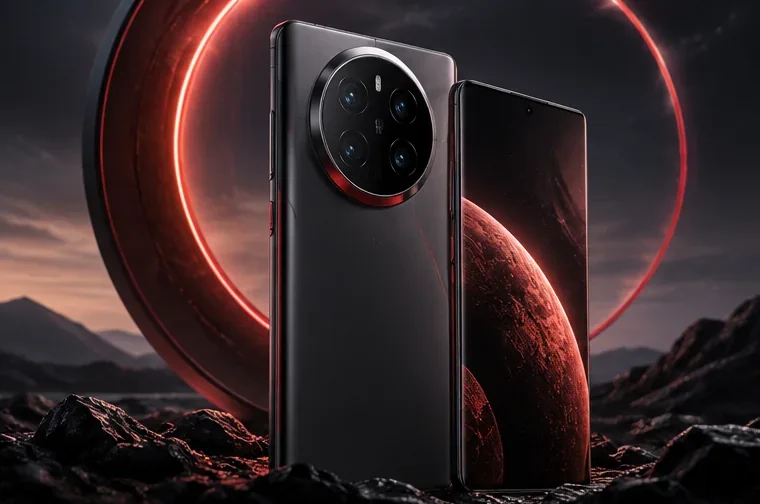
On the surface, this sounds like another chipset rumor. In reality, it could tell us much more about Huawei's 2026 flagship strategy: how the company plans to separate the Mate 90 lineup, how aggressively it wants to push its in-house silicon, and whether its new chip architecture can narrow the efficiency gap with leading mobile processors built on more advanced manufacturing nodes.
The important caveat is that Huawei has not officially confirmed the Kirin 9035 name. What is more concrete is the company's broader semiconductor direction. Huawei has already discussed a new Kirin platform for this autumn built around its Logic Folding and τ-scaling concepts. The specific product names appearing in leaks are still moving around.
Key takeaway
Huawei Mate 90 Pro could debut a newly named Kirin 9035 chip, while the top Mate 90 model may reserve Kirin 9050 Pro. Here is why the rumor matters and how Huawei's Logic Folding strategy could reshape its next flagship.
Kirin 9035: what the newest rumor actually says
The latest rumor suggests Huawei could abandon the previously expected standard Kirin 9050 for at least part of the Mate 90 range. Instead, the Mate 90 Pro could use Kirin 9035, while the more powerful Kirin 9050 Pro may remain reserved for the Mate 90 Pro Max or another top-tier model.
If that happens, the Mate 90 family would have a clearer silicon hierarchy. Rather than using nearly identical chips across every premium model, Huawei could separate performance, thermals and pricing more deliberately.
8 min read
PhonesGate coverage from PhonesGate. Published Sep 21, 2026.
That kind of segmentation is not unusual in the smartphone industry, but it would be particularly significant for Huawei because its Kirin platform has become one of the most closely watched parts of the Chinese semiconductor ecosystem.
The bigger story is Huawei's Logic Folding architecture
The Mate 90 discussion becomes much more interesting when you separate the rumored chip name from the confirmed technical direction.
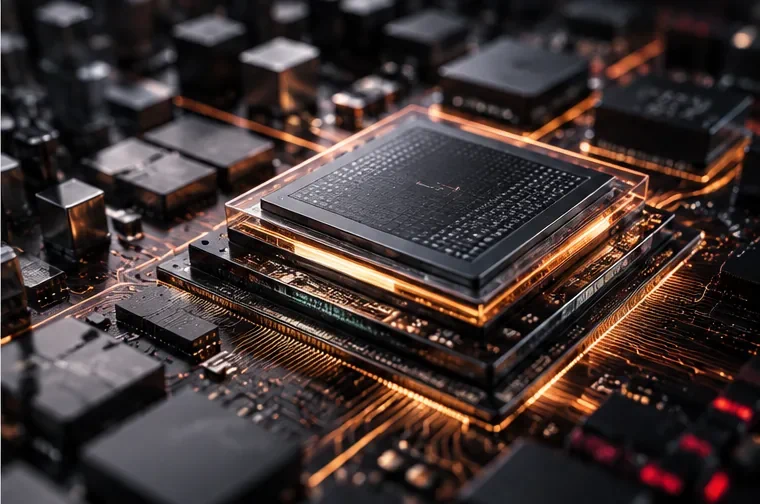
Huawei has already outlined a new semiconductor approach based on what it calls Logic Folding and τ-scaling. Instead of depending entirely on smaller transistor geometries, the idea is to improve how logic is arranged and how signals move through the chip.
Reported figures around the technology point to a substantial increase in transistor density compared with Huawei's previous-generation implementation, along with better performance-core energy efficiency and a higher peak operating frequency.
Those claims do not automatically mean the finished Mate 90 Pro will match every modern 3nm flagship in every workload. But they do explain why the next Kirin generation matters so much. Huawei is trying to extract more performance from architectural and packaging improvements rather than relying only on a straightforward process-node shrink.
What is confirmed and what is still rumor?
What we know Status Why it matters Huawei has confirmed a new Kirin generation using Logic Folding / τ-scaling principles for this autumn Confirmed direction Huawei is trying to improve density and efficiency without relying only on smaller process nodes. Mate 90 Pro may use a chip called Kirin 9035 Rumor This could create a clearer performance tier between Pro and the highest-end Mate 90 model.
Mate 90 Pro Max may keep the faster Kirin 9050 Pro Rumor Huawei could segment silicon more aggressively across the Mate 90 family. Logic Folding is claimed to improve transistor density and energy efficiency Technology claim Better efficiency could help sustained performance, AI workloads and camera processing.
This distinction matters because Mate 90 leaks have changed several times over the past few months. Earlier reports referred broadly to a “Kirin 2026” platform or a Kirin 9050 family. The appearance of the Kirin 9035 name is much newer.
For now, the safest interpretation is simple: Huawei's next Mate flagship generation is expected to bring a major Kirin update, but the exact chip naming and model split are not final until Huawei announces them.
Why better efficiency may matter more than benchmark scores
When a new mobile processor launches, the conversation usually jumps immediately to benchmark numbers. For the Mate 90 Pro, efficiency may be the more important metric.
A more efficient processor affects nearly every part of a flagship phone. It can reduce heat during camera use, help the device sustain performance for longer periods, lower battery drain during AI workloads and improve responsiveness without forcing the chip to run at maximum power.
That is especially relevant to Huawei because the Mate series has traditionally emphasized photography, computational imaging, satellite connectivity and advanced system-level features. Those workloads benefit heavily from better efficiency.
If Kirin 9035 is genuinely a more efficient evolution of the 2025 Kirin platform, users may notice the improvement through smoother sustained performance and better battery behavior rather than through one dramatic benchmark score.
The camera pipeline could be one of the biggest beneficiaries

Huawei's Mate flagships are rarely just processor showcases. Camera processing is one of the areas where a more capable Kirin chip could have a very visible impact.
Modern flagship photography increasingly depends on real-time processing: multi-frame HDR, subject detection, motion prediction, low-light noise reduction, portrait segmentation and computational zoom all require significant processing power.
A chip with better CPU, GPU, NPU and memory efficiency could allow Huawei to run more complex imaging pipelines without producing excessive heat or battery drain. That becomes even more important if the Mate 90 Pro introduces larger sensors, more advanced telephoto hardware or higher-resolution video processing.
None of those camera details should be treated as final yet, but the silicon platform will determine how far Huawei can push the rest of the hardware.
Why Huawei's chip progress is being watched so closely
The Kirin story is unusual because it is not just a normal annual smartphone upgrade cycle. Huawei has had to rebuild much of its advanced mobile-chip strategy under major supply-chain restrictions.
That makes every new Kirin generation a test of how effectively Huawei can improve performance, transistor density and efficiency with the manufacturing options available to it.
The proposed Logic Folding approach is important precisely because it tries to find another path forward. If a company cannot simply move to the same leading-edge manufacturing process as its rivals, it has to improve architecture, packaging, density and system design more aggressively.
This is why the Mate 90 Pro could matter even to people who never plan to buy one. The device may become one of the clearest public demonstrations of how competitive Huawei's newest domestic silicon strategy has become.
Could Kirin 9035 sit below Kirin 9050 Pro?
That is currently the most interesting possibility.
If the rumor is correct, Huawei could use Kirin 9035 for Mate 90 Pro while reserving Kirin 9050 Pro for the Pro Max. This would give Huawei a clear way to differentiate its flagship models without changing only cameras, displays or battery sizes.
It could also explain why earlier leaks seemed contradictory. Some reports referred to the entire family as using a new Kirin 9050 platform, while others described a broader Kirin 2026 architecture. Those names may have been referring to the same technological generation at different levels of specificity.
Until launch, the exact relationship between 9035 and 9050 Pro should be treated as unconfirmed.
The Mate 90 Pro could become Huawei's most important performance flagship in years
Huawei has already proven that it can keep the Mate line relevant even under difficult semiconductor constraints. The next challenge is different: showing that its in-house chips can make another meaningful jump in efficiency and performance.
That is what makes Mate 90 Pro potentially important. If Kirin 9035 arrives with a clear improvement over the 2025 Kirin lineup, it would demonstrate that Huawei's silicon roadmap is still progressing rapidly.
The timing also matters. The Mate 90 generation is expected to arrive during the busiest flagship period of the year, putting it directly into the same conversation as new iPhones and the next wave of high-end Android phones.
What should buyers wait for?
- The exact chip names: whether Kirin 9035 is real and which model gets Kirin 9050 Pro.
- Efficiency: not just peak speed, but sustained performance and battery behavior.
- Camera processing: whether the new silicon enables a noticeable jump in computational photography.
- Model segmentation: how much hardware Huawei reserves for the Pro Max compared with the regular Pro.
PhonesGate take
The Kirin 9035 rumor matters because it may reveal Huawei's entire Mate 90 strategy. The phone itself is still unannounced, and the processor name remains a leak, but the broader direction is clear: Huawei is preparing a major new Kirin generation built around a different approach to density and efficiency.
If the Mate 90 Pro really does launch with Kirin 9035 while the Pro Max gets Kirin 9050 Pro, Huawei will be creating a much sharper performance hierarchy than before. More importantly, it will give us the first real-world look at how far the company's Logic Folding strategy can push modern mobile silicon.
That makes the Mate 90 Pro one of the most technically interesting upcoming flagships to watch — even before we know the final camera system, battery capacity or global price.
Explore more Huawei smartphones and upcoming devices on the PhonesGate Huawei brand page.
Editorial note: Huawei has not officially announced the Mate 90 Pro or the Kirin 9035 name at the time of publication. Specifications and model positioning discussed as leaks may change before launch. Images in this article are original AI-generated editorial visualizations created for PhonesGate.