

Source and context
At MWC 2026, the company presented a cluster of devices and concepts that together underline a clear strategic push: embodied-interaction experiments, a new generation of foldable hardware and a wider AI device ecosystem intended to span phones, tablets and laptops. The launch lineup featured a Robot Phone and humanoid robot demonstrations alongside the HONOR Magic V6 foldable, MagicPad4 tablet and MagicBook Pro 14 laptop.
Why it matters
Multiple international outlets singled out the Robot Phone and the foldable Magic V6 as highlights, signaling industry interest in both new interaction paradigms and refinements to foldable hardware. The Robot Phone drew attention for combining motion-capable, embodied interaction with advanced imaging, and was repeatedly discussed as a high-visibility example of how hardware can be designed to move and respond in real-world settings. Meanwhile, the Magic V6 attracted praise for what reviewers described as breakthroughs in battery composition, display engineering and ruggedized foldable design.
Key takeaway
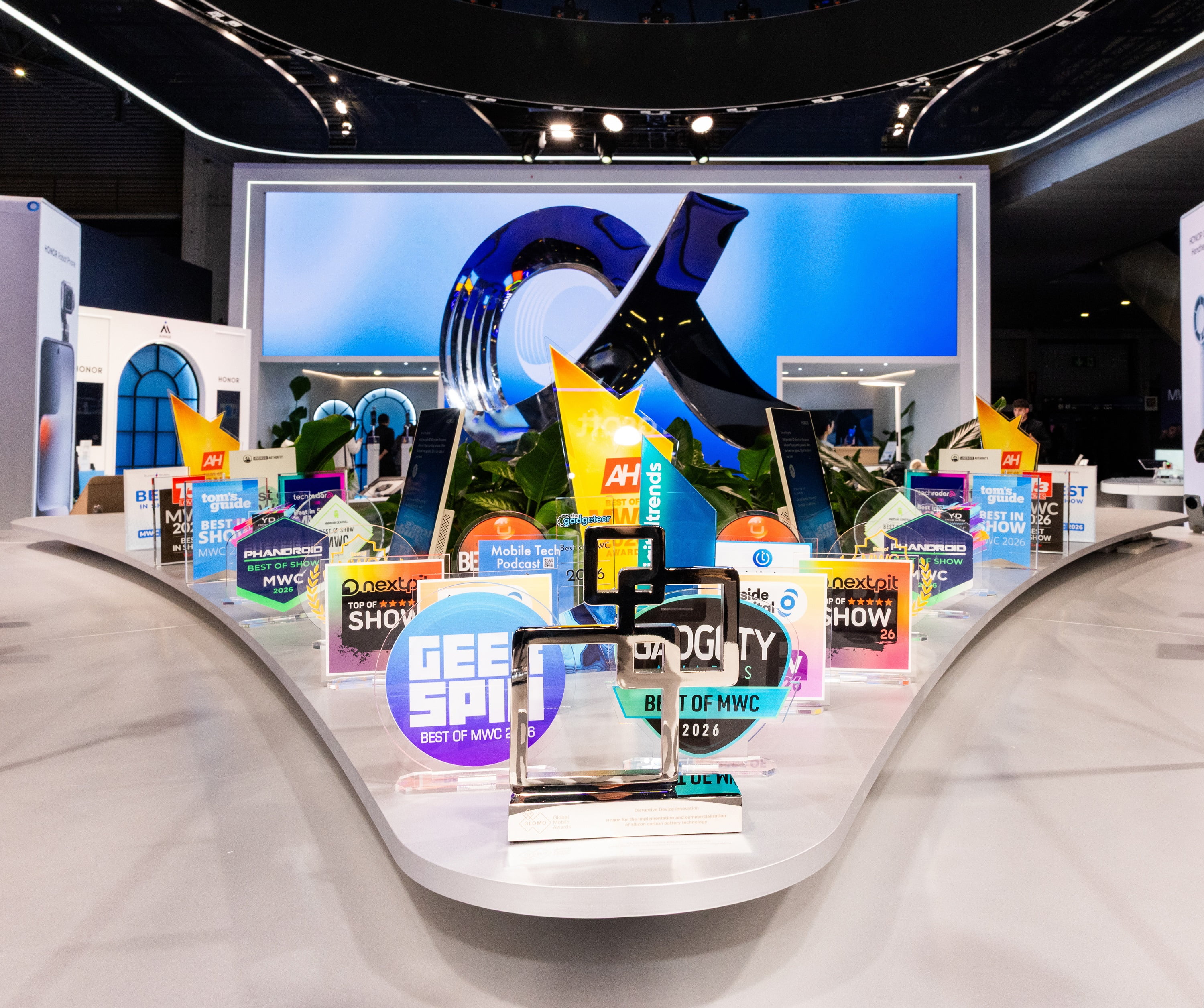
HONOR collected more than 70 media awards at MWC 2026, with its Robot Phone and Magic V6 foldable drawing the most attention from global outlets.
What the devices showed
Robot Phone and robotics demonstrations: The Robot Phone was presented as a device that pairs smartphone functions with robot-grade motion and embodied AI interaction. News outlets noted its emphasis on mobility and interactive behavior, with several reviewers framing it as an early look at a future where mobile devices act and respond more like companions than static tools. The public reaction highlighted both the technical curiosity of the prototype and its human appeal, with some coverage calling the device notably mobile and charismatic.
HONOR Magic V6 foldable: The Magic V6 was widely discussed as a pinnacle of the company’s foldable efforts at the event. Coverage emphasized a combination of ultra-thin construction, enhanced durability and a notably large battery for a foldable. Reviewers highlighted IP69 water and dust resistance, an ultra-thin build and what was characterized as a significant step forward for foldable endurance and design. The Magic V6 was also identified as the first foldable showcased with the flagship Snapdragon 8 Elite Gen 5 platform, according to media coverage.
4 min read
PhonesGATE coverage from PhonesGATE. Published Jun 11, 2026.
Silicon‑carbon battery technology: A recurring theme in the coverage was the company’s silicon-carbon battery advances. Media noted an industry-first silicon content figure cited for the Magic V6’s battery design and recognized the company with an award for disruptive device innovation at MWC, acknowledging the role of silicon‑carbon chemistry in delivering higher energy density within an ultra-thin foldable form factor. The company additionally showcased a next-generation silicon‑carbon blade battery with increased silicon content and a higher reported energy density, presented as a step toward even thinner, higher-energy cells.
AI device ecosystem: Beyond individual devices, the product presentations were framed as parts of a growing AI device ecosystem. The MagicPad4 tablet and MagicBook Pro 14 laptop were both highlighted for productivity-focused design and engineering. Coverage praised the tablet’s slim execution and productivity orientation, while the laptop line was noted for iterative improvements that reinforce the company’s ecosystem positioning.
PhonesGATE quick analysis
The reception described by global media suggests that the company succeeded in presenting a coherent narrative: experiments in embodied interaction plus tangible improvements in foldable hardware and battery chemistry. The Robot Phone functions primarily as a proof-of-concept that attracts attention for its novelty and the possibilities it represents for future interaction models. It is notable for sparking discussion about where mobility, motion and camera systems can converge in consumer devices.
The Magic V6 coverage, meanwhile, reads as a more conventional product success story — reviewers focused on measurable attributes such as build thinness, durability, battery endurance and platform performance. The emphasis on silicon‑carbon content and the award for disruptive innovation underline that the company is prioritizing materials and battery design as a competitive axis for foldables.
What this means for buyers
For buyers following emerging device categories, the Robot Phone is best understood as an early-stage, concept-driven showcase rather than an immediately mainstream product. It signals possible future directions—devices that behave more like embodied companions—but widespread consumer availability and practical trade-offs remain uncertain based on current coverage.
For people actively considering a high-end foldable, the Magic V6 appears aimed at those who want a refined, durable foldable with a focus on battery life and daily usability. Reports emphasize improvements in endurance and sealing (IP69), which could make the device more appealing to users who had previously hesitated because of durability concerns. The MagicPad4 and MagicBook Pro 14 draw attention for productivity-focused buyers who prefer an integrated ecosystem of devices.
Related device context: readers tracking foldable evolution may want to compare the Magic V6 with other recent foldables that emphasize durability and battery capacity. Buyers interested in tablet productivity or thin-and-light AI PCs should consider the MagicPad4 and MagicBook Pro 14 in the context of tablets and laptops that prioritize slim design and ecosystem continuity.
Sources and methodology
This article is based on reporting from HONOR Global, with PhonesGATE editorial context and buyer-focused analysis.