

Samsung’s latest book-style foldable makes an immediate first impression, but the real question is whether that excitement survives everyday use. After spending time with the Galaxy Z Fold 8, the answer from a PhonesGate perspective is surprisingly clear: yes, mostly. This is one of those devices that feels fresh the moment you open it, and even after the novelty wears off, it still has enough personality and practicality to stay interesting.
The Galaxy Z Fold 8 is not trying to be the safest smartphone you can buy. It is trying to be a better kind of foldable — thinner, more comfortable in one hand, more natural to open and close, and more useful once the inner display is in front of you. In several important ways, it succeeds.
That does not mean it is perfect. This form factor still comes with real compromises, especially around app optimization, camera ambition and accessory compatibility. But if you want a foldable that feels genuinely different instead of just technically impressive, the Galaxy Z Fold 8 is one of the most convincing examples we have seen so far.
Key takeaway
The Galaxy Z Fold 8 makes a strong case for foldables as real daily drivers, combining a practical cover display, a roomy inner screen and a slimmer, more approachable design — even if some compromises remain.
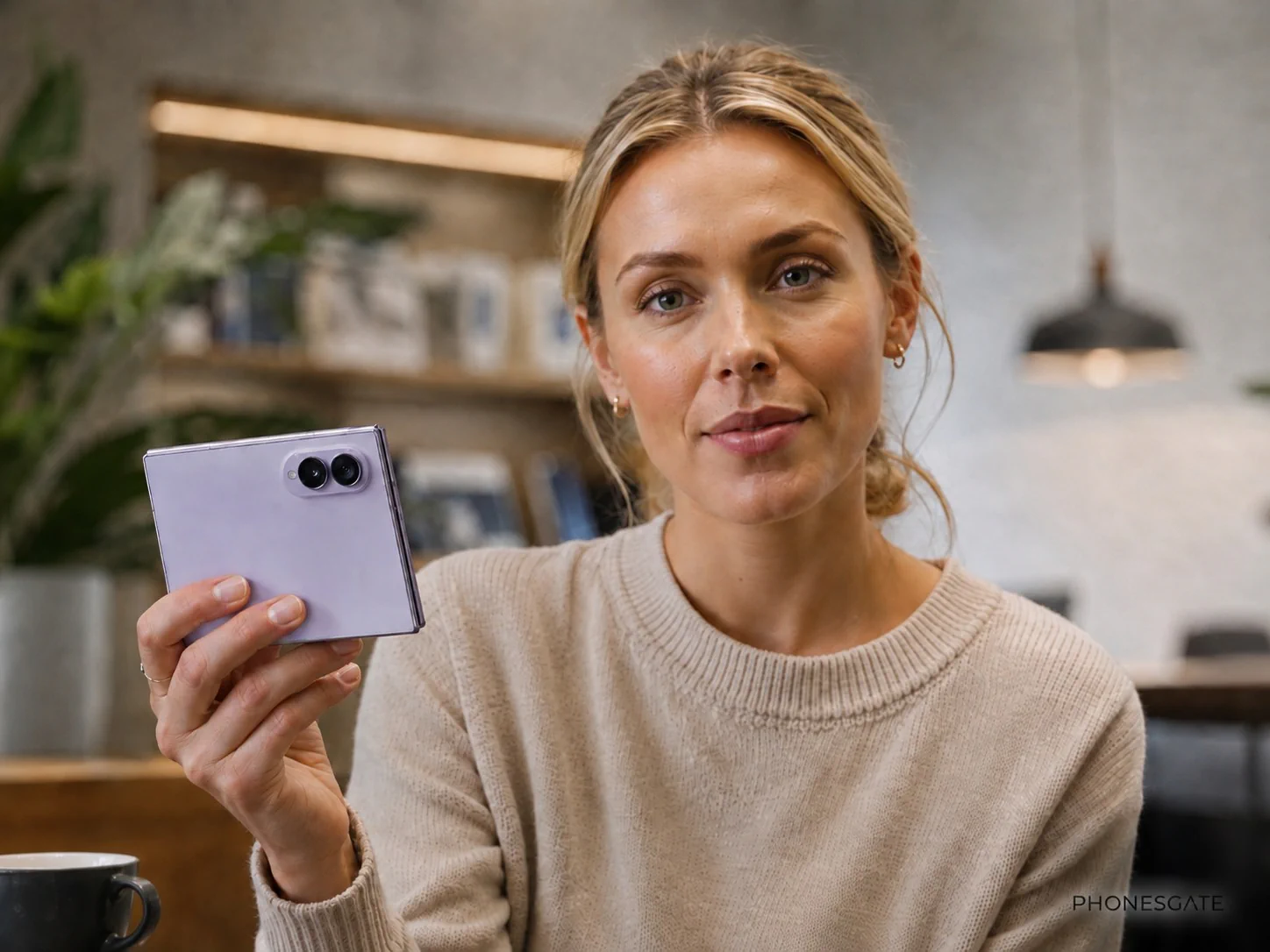
Design: finally a foldable that feels easy to live with
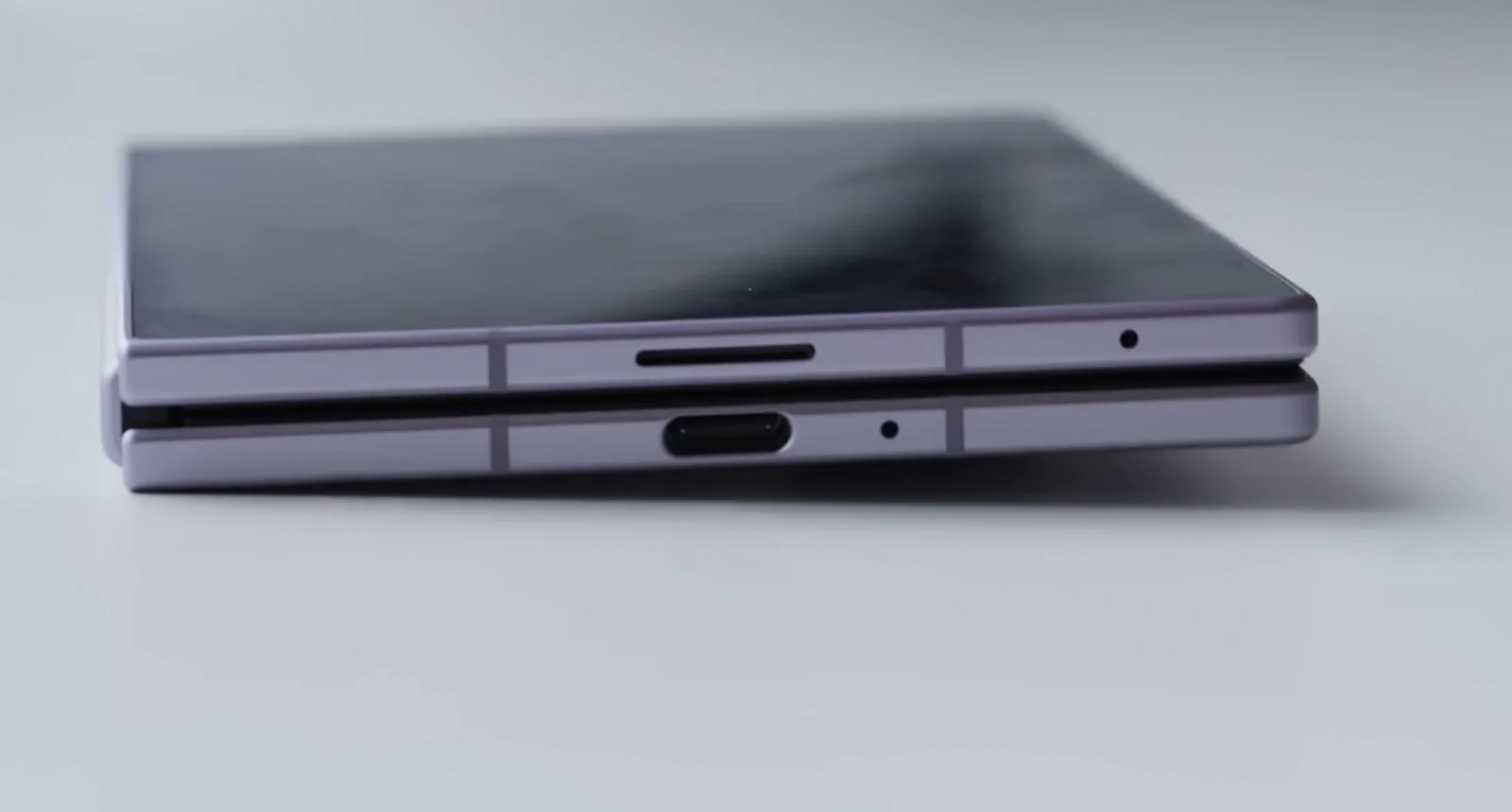
The biggest strength of the Galaxy Z Fold 8 is not just that it folds. It is the way Samsung appears to have refined the experience around the fold. The cover display is easier to manage one-handed than many conventional flagships, the chassis looks squarer and more deliberate, and the whole device feels more like a polished notebook than a compromise-heavy experiment.
That matters because many foldables still feel like niche hardware designed for people who are willing to tolerate awkward ergonomics. The Z Fold 8 feels different. It looks clean, opens with confidence and, once closed, remains usable enough that you do not feel forced to open it for every small task.
8 min read
Samsung coverage from PhonesGate. Published Aug 9, 2026.
The power button placement is sensible, the general shape is more approachable than a tall and narrow candy-bar phone, and the slimness gives the device a far more modern feel than earlier generations.
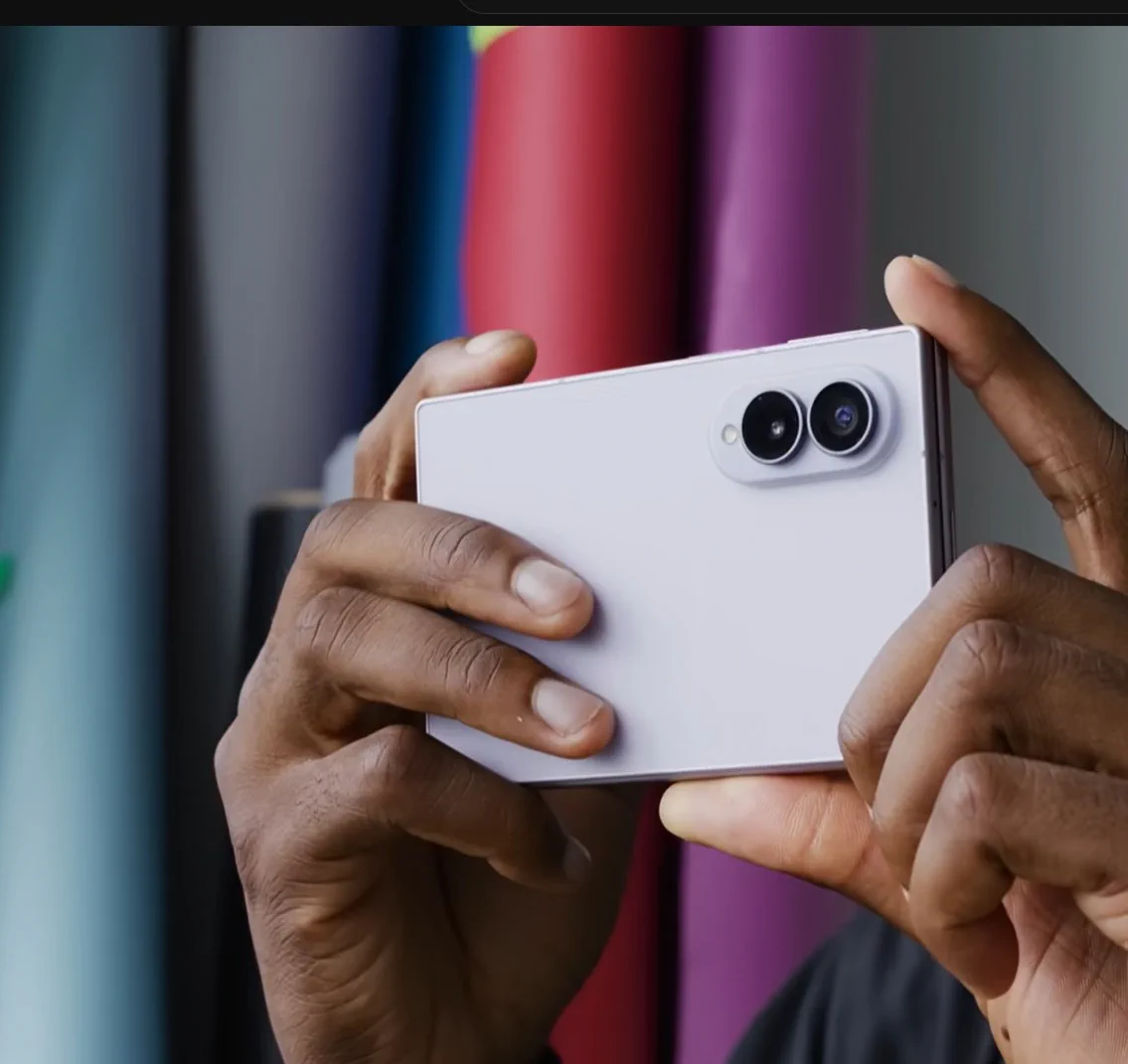
The cover display is more useful than expected
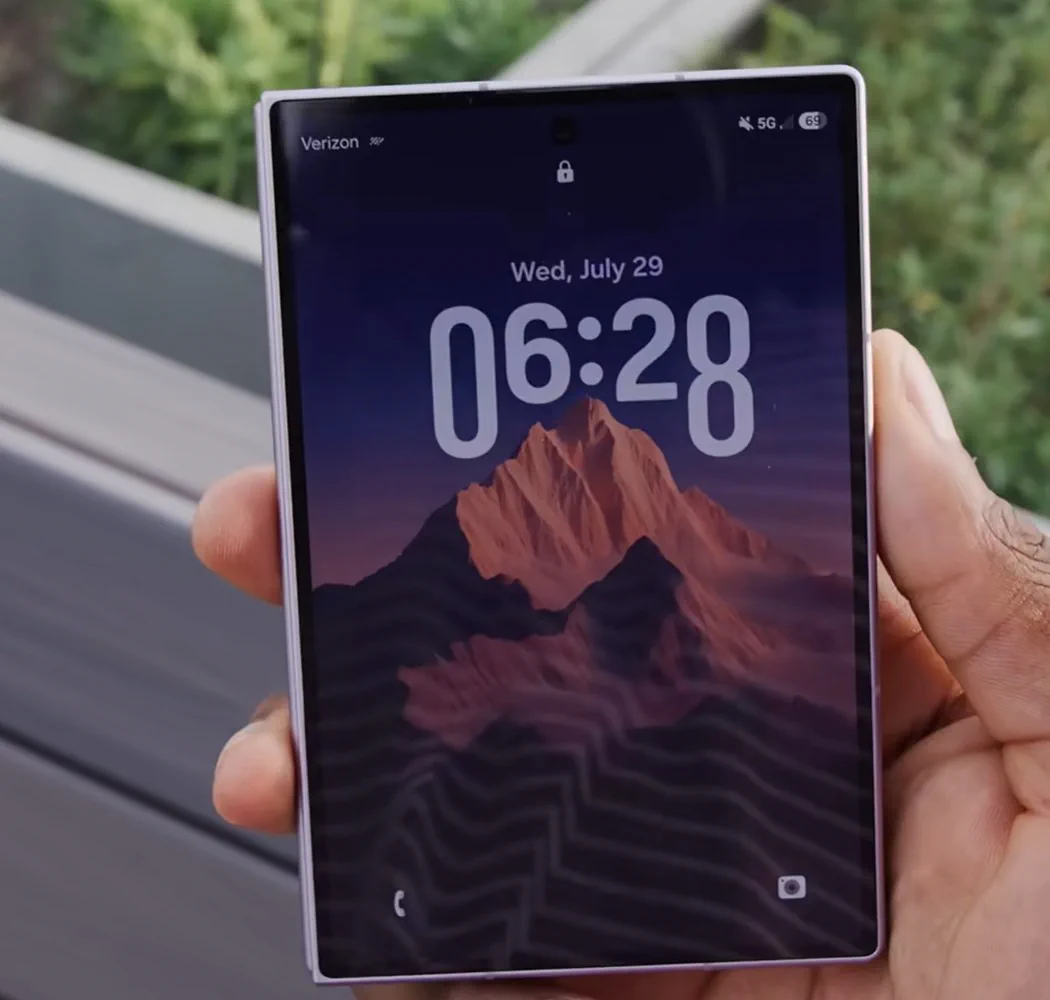
One of the most pleasant surprises with this type of foldable is how usable the outer screen can be when the aspect ratio is chosen well. On the Galaxy Z Fold 8, the cover screen appears compact without feeling cramped, which means messaging, quick camera actions, checking notifications and casual browsing all feel natural.
For many people, that is the key to a successful foldable. If the outer screen is too awkward, you end up treating the device like a mini tablet that happens to fold shut. If the outer screen is actually good, the foldable becomes flexible rather than inconvenient.
That is exactly where the Z Fold 8 begins to shine. It feels like a normal phone when you need it to, and a small tablet when you want more room.
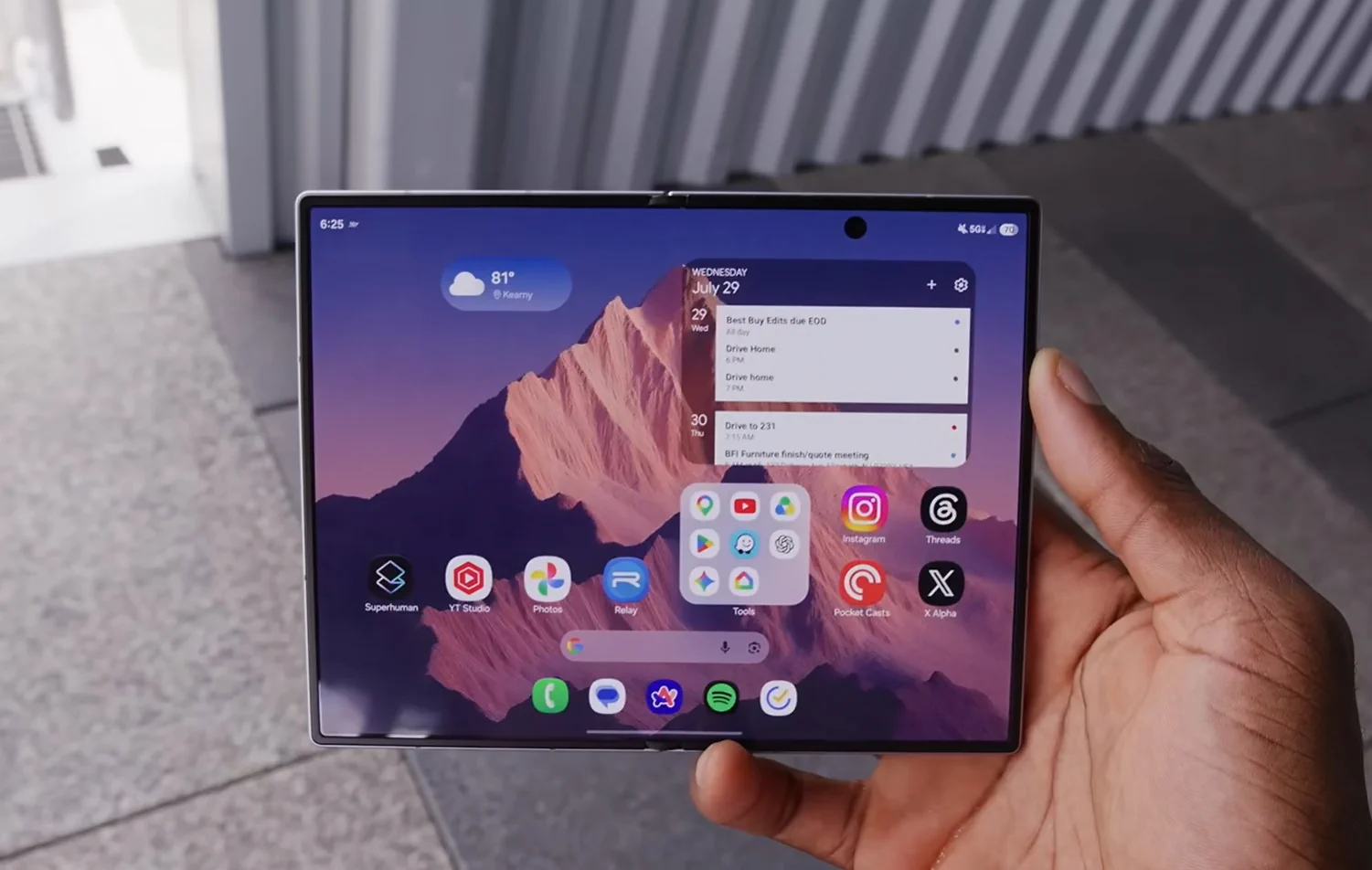
Open it up and the inner screen becomes the reason to buy it
The inner display is where the Galaxy Z Fold 8 justifies its existence. A near 4:3-style canvas gives the device a natural reading shape, strong multitasking potential and a much more immersive feel for certain apps than a regular slab phone can provide.
Two apps side by side finally make sense here, but even single-app use benefits. Reading long articles, reviewing documents, checking photos and watching video all feel more relaxed when you have that extra space. In some cases, widescreen video can even look larger than on a traditional Ultra-style flagship because the panel is simply bigger overall.
Samsung’s AMOLED quality, high refresh rate and anti-reflective treatment also help. The result is a display that feels premium whether you are indoors at a desk or using it outside in brighter conditions.
Performance and software: strong hardware, smarter polish
On paper, the Galaxy Z Fold 8 has the type of flagship foundation you would expect, including Samsung’s current high-end chipset, fast performance and a modern software skin built to take advantage of the form factor.
What matters more in practice is how the software complements the hardware. Small interface changes, more responsive lock-screen elements and the option to treat the outer and inner displays as separate spaces all help make the phone feel more purposeful. Instead of simply stretching a standard smartphone interface across a larger canvas, the software tries to respect the unique shape of the device.
That said, foldables still live or die by third-party app support, and that is one of the biggest areas where reality catches up with the hype. Some apps feel excellent. Others introduce black bars, odd spacing or, in a few cases, genuinely broken layouts.
Battery life is good enough for real-world use
Battery life is often a weak point for advanced foldables, but the Galaxy Z Fold 8 seems to land in a much healthier place. With a 4,800 mAh battery and faster charging than older Samsung foldables, the phone feels much more like a dependable daily driver than a device you need to baby by late afternoon.
Heavy inner-screen use will always consume more power than quick cover-screen tasks, but that is part of the deal. What matters is that the battery no longer feels like an automatic red flag. For most users, all-day life should be realistic rather than aspirational.
Where the compromises still show
This is still a foldable, which means the compromises have not disappeared — they have just become easier to accept. App optimization remains inconsistent. Some content does not fully respect the unusual screen shapes, and certain interfaces still behave like they were never designed with a book-style foldable in mind.
There are also hardware quirks. Speaker placement can feel unbalanced in some unfolded viewing scenarios. Accessory compatibility is not always as simple as it is on a standard flagship, especially if you rely on certain wireless charging stands or magnet-based setups. And because Samsung seems to be prioritizing thinness and usability, the camera system does not look like the most aggressive flagship camera package in its price bracket.
That is probably the most important caution point: if you are spending top-tier money and you expect best-in-class cameras above all else, you may still prefer a conventional premium phone.
Cameras: good enough, but not the headline feature
In everyday use, the Galaxy Z Fold 8 camera system should be perfectly serviceable for daylight shots, casual social media posting and quick captures. The problem is not that the cameras are bad; it is that the price and category naturally raise expectations.
PhonesGate’s take is simple: the cameras look acceptable for a foldable-first device, but they do not appear to be the reason you buy this phone. If you want the best possible zoom range, stronger low-light performance or the most versatile flagship photography setup, there are more camera-focused phones on the market.
PhonesGate take: this is the kind of foldable that makes sense
The Galaxy Z Fold 8 feels like a meaningful step toward a foldable that normal flagship buyers could realistically adopt. It is fun, polished, lighter on compromise than many rivals and more useful in daily life than its shape initially suggests.
Its weaknesses are real: app compatibility can still be messy, the camera system does not dominate its segment and some accessory limitations remain annoying. But the overall experience is strong enough that those flaws feel like trade-offs rather than deal-breakers.
If your priority is owning a phone that feels different every single day you use it — not just on launch day — the Galaxy Z Fold 8 looks like one of the most interesting foldables of the year.
Who should buy it?
- Buy it if: you want a premium foldable with a comfortable cover display, a great inner screen and software that supports multitasking and media well.
- Think twice if: cameras are your top priority, or you mainly want the most straightforward flagship experience possible.
Frequently asked questions
Is the Galaxy Z Fold 8 a good daily phone?
Yes. Based on the review material used for this article, it looks much easier to use every day than many previous foldables, especially thanks to its shape, cover display and lighter feel.
What is the biggest advantage of the Galaxy Z Fold 8?
The biggest advantage is the combination of a practical outer screen and a spacious inner display, which makes the phone feel versatile rather than gimmicky.
What is the biggest drawback?
The most noticeable drawbacks are inconsistent app optimization and a camera setup that appears solid but not truly class-leading.
Is it better for productivity or entertainment?
It looks well-suited to both, but the inner display is especially useful for reading, multitasking and media thanks to its broader aspect ratio.
Sources
- User-provided review transcript and notes (stored in the article workspace as Pasted markdown(1).md).
- User-provided screenshots and still images used to illustrate the device.
- Original PhonesGate-edited and generated visuals prepared for this article package.