

Camera Evolution: Variable Aperture Optics vs. Megapixel Dominance
Smartphone photography is splitting into two compelling directions: tighter physical control over optics and exposure, and increasingly ambitious sensors, computational imaging and folded telephoto systems.
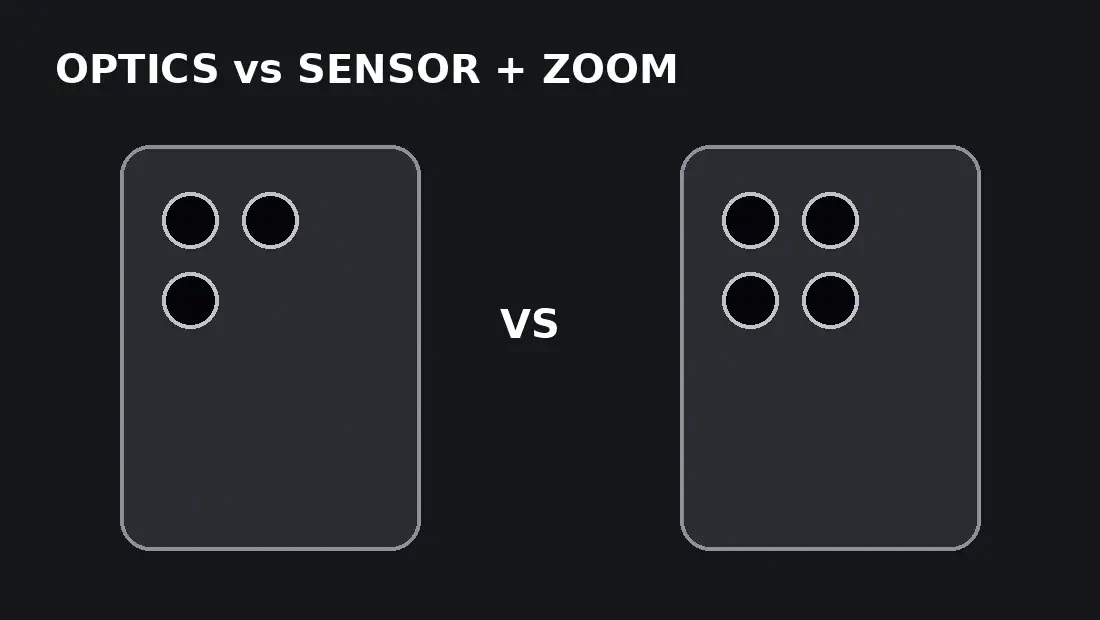
The 2026 mobile photography crossroads
Reports surrounding the iPhone 18 Pro point to a variable-aperture main camera, while Android flagships continue to compete through high-resolution sensors, pixel binning, large sensor formats and periscope telephoto hardware. The important distinction is that the iPhone 18 Pro has not yet been officially detailed by Apple, so variable aperture and any exact aperture range must be treated as pre-release information rather than confirmed specifications.
1. iPhone 18 Pro and physical aperture control
A physical variable aperture changes the opening through which light reaches the sensor. This gives the camera another hardware-level exposure tool instead of relying only on shutter speed, ISO and computational processing.
Key takeaway
Variable aperture optics and high-resolution periscope systems represent two different paths for flagship smartphone photography.
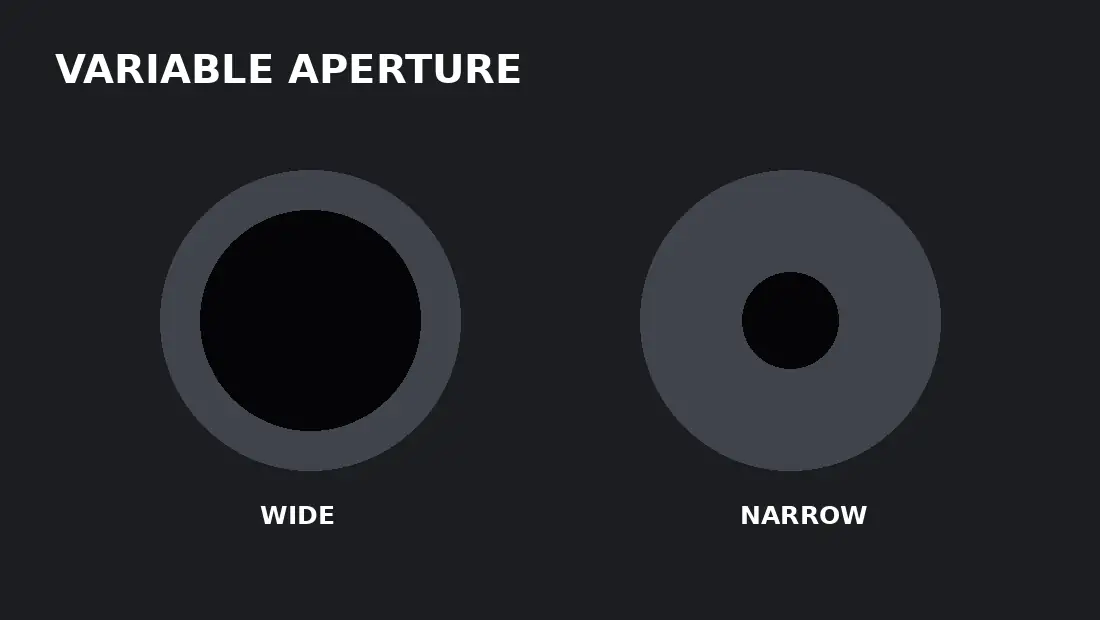
Why creators should care
- Natural depth control: physical optics can contribute genuine background separation before software processing.
- Exposure flexibility: a smaller aperture can help manage bright scenes without forcing every adjustment through shutter speed or ISO.
- Video consistency: another optical control can help creators preserve a preferred shutter speed as ambient light changes.
2. Android's alternative: megapixels, sensor area and computation
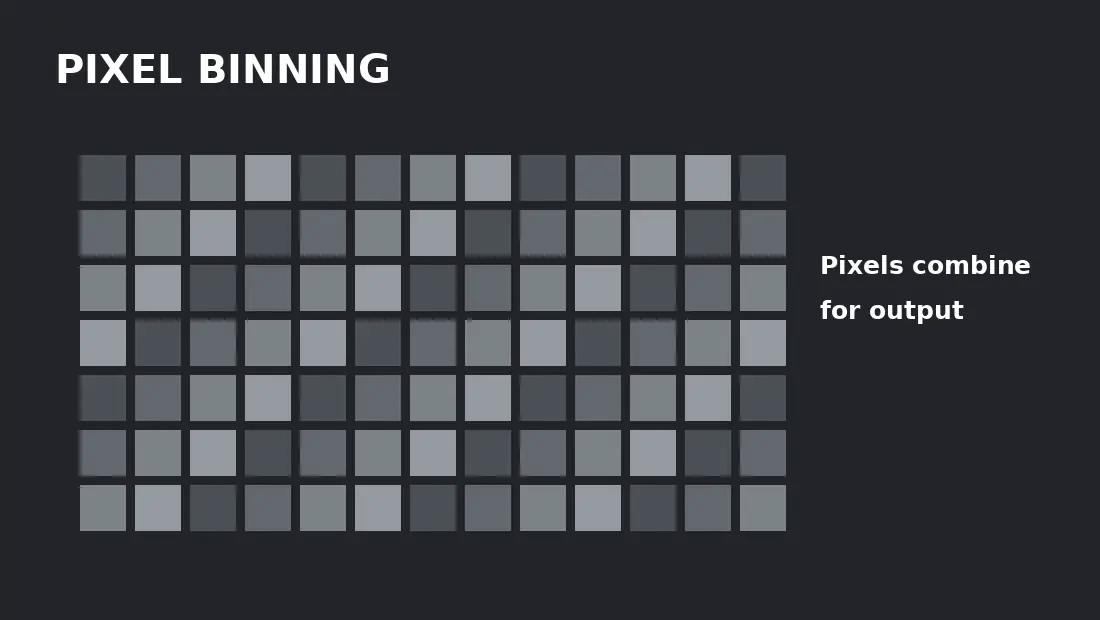
High-resolution smartphone sensors can combine neighboring photosites through pixel binning, producing lower-resolution output optimized for light capture and noise control. But megapixel count alone never guarantees superior image quality: sensor dimensions, lens quality, autofocus, stabilization, readout speed and image processing all matter.
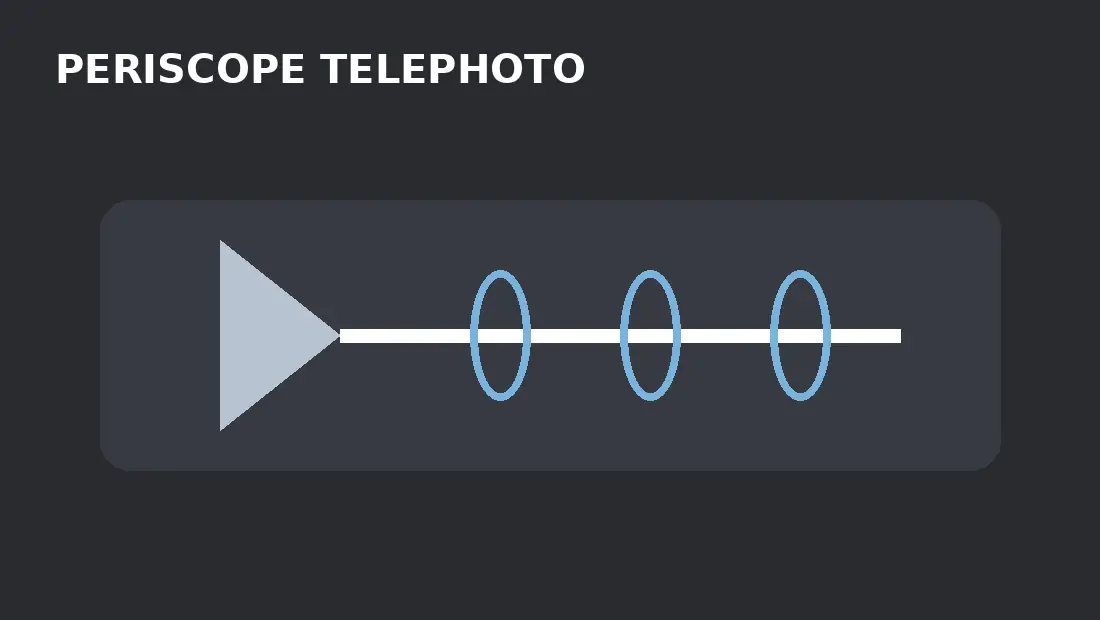
Periscope telephoto remains a major Android strength
A folded telephoto module uses a prism to redirect incoming light through lenses arranged along the body of the phone. This enables longer focal lengths without requiring the same external depth as a conventional long lens.
4 min read
Google coverage from PhonesGate. Published Aug 12, 2026.
Head-to-head: what matters?
Priority Optics-first High-resolution / periscope Exposure Potential physical aperture adjustment Sensor, shutter and computational control Portraits Potential optical depth flexibility Large sensors plus computational segmentation Resolution Moderate-resolution strategy High-resolution capture and pixel binning Long-range Depends on telephoto hardware Periscope systems are a key strength
3. Real-world shooting scenarios: which system wins?
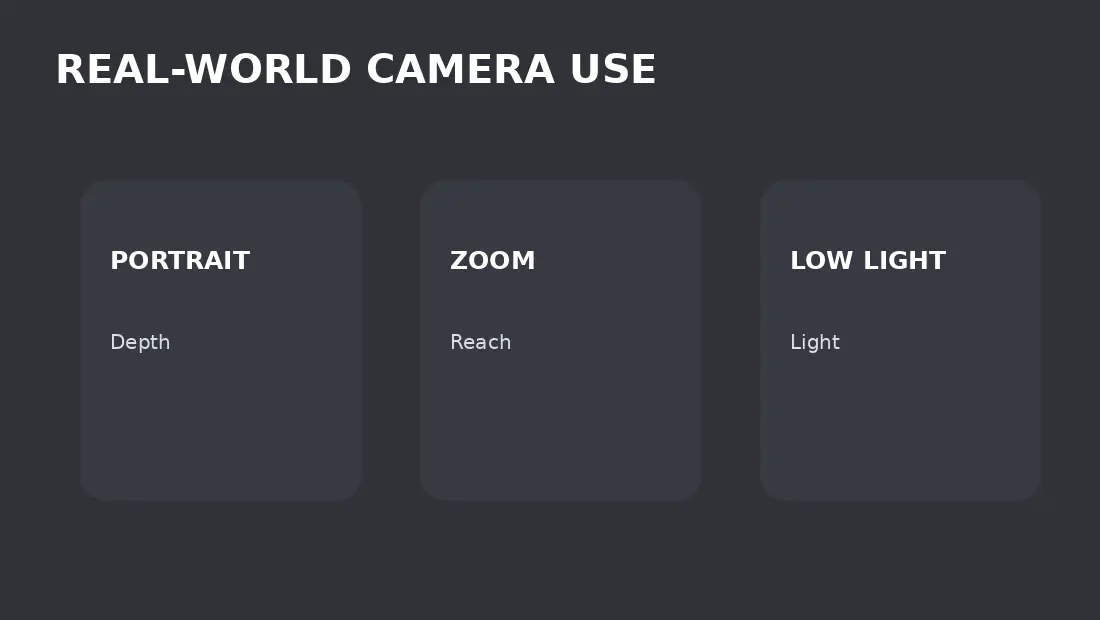
Portraits
Variable aperture could provide more physical control over depth of field. Large Android sensors can also create natural subject separation, with software refining difficult edges.
Travel and zoom
For architecture, concerts, wildlife and distant details, genuine telephoto reach remains difficult to replace with software. Extreme digital zoom claims should always be distinguished from true optical magnification.
Low light
There is no universal winner. Aperture, sensor area, stabilization, exposure duration and multi-frame processing all influence the result.
Video
Physical aperture could be particularly useful for creators who want to maintain preferred shutter settings while light changes. Android's counterargument is increasingly sophisticated manual video, Log recording and multi-camera flexibility.
PhonesGate take: megapixels are no longer the whole story
The real camera battle is not simply 48MP versus 200MP. It is about how much useful information and control the hardware gives the photographer before computational processing begins. Variable aperture, larger sensors and periscope optics solve different problems, and the strongest future camera systems may combine elements of all three.
Verdict
No single camera architecture wins every scenario. If the reported iPhone 18 Pro variable-aperture system reaches production, physical optics could become an important flagship differentiator again. Android's high-resolution sensors and periscope systems retain powerful advantages in capture flexibility and long-range composition.
FAQ
Is variable aperture confirmed for the iPhone 18 Pro?
No. It is reported pre-release information, not an official Apple specification at the time of writing.
Does 200MP automatically mean better photos?
No. Resolution is only one factor; optics, sensor area, stabilization and processing can matter more.
Why use a periscope camera?
It folds a longer optical path inside the phone, enabling stronger telephoto reach in a thin chassis.