
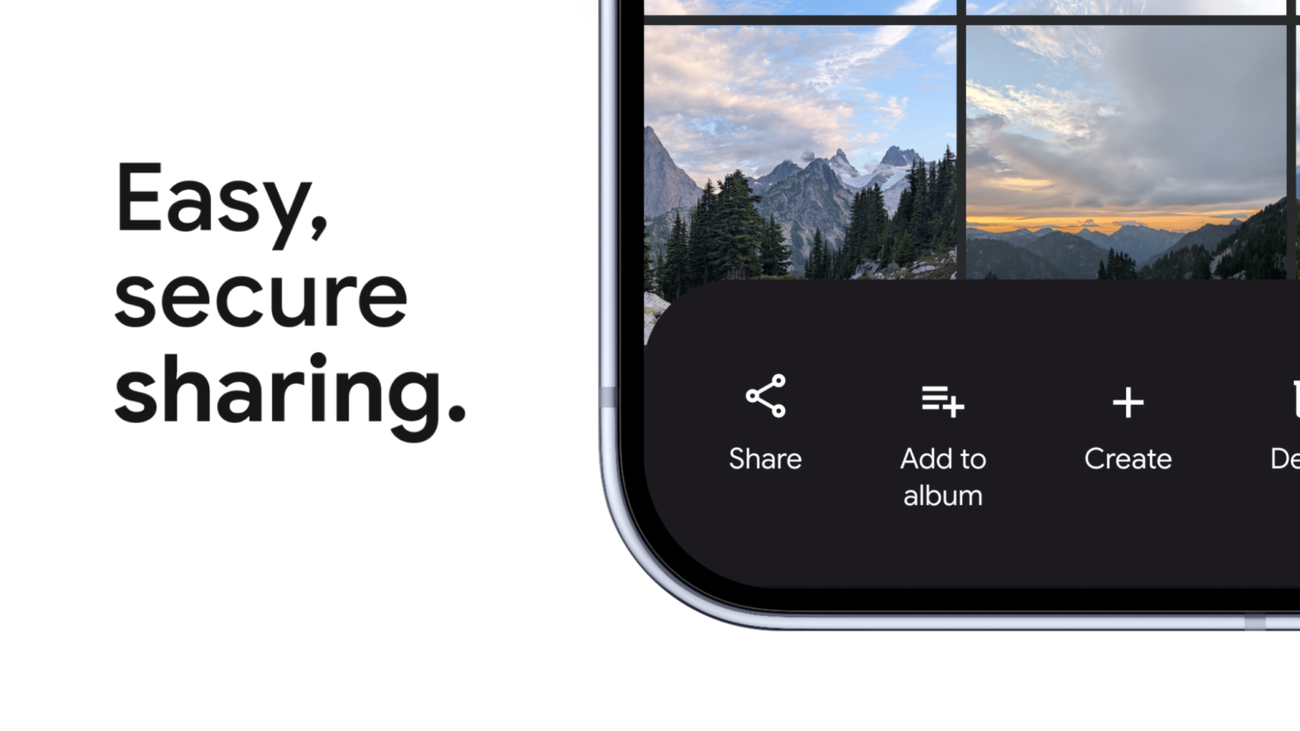
Share with anyone, on any device
Android’s Quick Share is gaining new cross-platform reach. Google says Quick Share is now compatible with AirDrop for supported Android phones, starting with Pixel devices, and that support will expand this year to include partners such as Samsung, OPPO, OnePlus, Vivo, Xiaomi and HONOR. For people who don’t have a compatible device, Quick Share can generate a QR code on any Android phone that lets recipients on iOS download shared files via the cloud. That QR-code sharing begins rolling out to all Android phones today and is expected to be fully available within the next month. Google also plans to integrate Quick Share inside some third-party apps, with WhatsApp named as an early integration partner.
Switch to Android with ease
Google says it has worked with Apple to improve the iOS-to-Android transfer experience so users can move more of their data wirelessly. The upgraded process can migrate passwords, photos, messages, favorite apps, contacts and even homescreen layout from an iPhone to a new Android device. The transfer workflow also supports eSIM migration. This new approach will be available first on Samsung Galaxy and Google Pixel phones later this year.
Connect more securely
Messaging security is a focal point for the update cycle. With Google reporting about 2.5 billion RCS messages sent daily (based on a 28-day average), the company is rolling out end-to-end encryption for RCS messages across Android and iOS. The change is intended to protect conversations across platforms using the richer RCS protocol rather than standard SMS.
Key takeaway
Google has announced updates to Android that simplify cross-platform file sharing, streamline moving data from iPhone to Android, and extend end-to-end encryption for RCS messaging.
Why this matters
These coordinated updates target three pain points many users face: sharing media across mixed-device groups, transferring personal data when switching platforms, and securing modern text conversations. Making Quick Share compatible with AirDrop and adding a QR-to-cloud fallback addresses a common friction when people want to send large photos or videos to friends and family on different phones. Likewise, a more complete, wireless iPhone-to-Android transfer reduces the friction of moving ecosystems — especially when homescreen layout, app lists and passwords migrate along with core data. Expanding end-to-end encryption to RCS aims to modernize security for the messages people increasingly rely on every day.
PhonesGATE quick analysis
The changes are evolutionary rather than revolutionary, but they remove practical barriers that often determine which device someone keeps or buys. Cross-vendor Quick Share compatibility is notable because it requires cooperation between multiple Android hardware partners and Apple’s AirDrop ecosystem to be genuinely useful. The QR-code fallback is a pragmatic move to cover cases where direct device interoperability isn’t present, and putting Quick Share into popular apps could push broader adoption.
4 min read
Samsung coverage from PhonesGATE. Published Jun 11, 2026.
Improved iOS-to-Android migrations — including eSIM support and homescreen layout transfer — may make switching less of a hassle for users who have stayed with iPhones because of perceived data migration headaches. And rolling end-to-end encryption out for RCS across platforms aligns message security with what many users expect from modern chat services.
What this means for buyers
If you frequently share media with mixed-device groups, these updates should make sharing faster and less error-prone — especially once more manufacturers enable AirDrop compatibility and Quick Share integrations inside apps. People planning to switch from iPhone to an Android handset should find fewer manual steps when moving personal data; the most seamless transfers will be seen first on Samsung Galaxy and Google Pixel devices this year. Finally, anyone relying on RCS-capable messaging apps can expect stronger privacy protections as end-to-end encryption rolls out.

For handset shoppers, the practical takeaway is to look for vendor support for the updated Quick Share features and for clear migration tools if you intend to move from iPhone. If messaging privacy is a priority, verify that your carrier and messaging apps support RCS and the newly extended encryption across platforms.
Sources and methodology
This article is based on reporting from Google Android, with PhonesGATE editorial context and buyer-focused analysis.